
Download the 2025 Focal Car Catalogue | Focal INSIDE Catalogue | Join our Mailing List!

7 AC Magnetic Starter Buying Tips for Global Buyers

An Ac Magnetic Starter may look like a compact box of contacts, coils, and overload protection. Yet choosing one incorrectly can mean nuisance trips, overheated windings, or a motor that fails to start under load. The International Energy Agency’s 2011 report, Energy-Efficiency Policy Opportunities for Electric Motor-Driven Systems, estimated that motor-driven systems used about 45% of global electricity at the time. That historical figure shows why starter selection matters beyond the control panel. It affects reliability and energy use across pumps, compressors, conveyors, and production lines.

For buyers, the nameplate is a better starting point than the product photo. Check motor voltage, full-load current, phase, starting duty, enclosure conditions, and overload settings. Then compare the starter’s ratings with the motor and the application—not just the advertised horsepower. IEC 60947-4-1 provides an international reference for contactors and motor-starters, but the applicable edition and product documentation still need careful review. Stephen L. Herman, author of Industrial Motor Control, teaches the practical need to match control and protection to the motor; in paraphrase: “Match the starter to the motor and its duty.” Treat that as a summary, not a verbatim quotation. Small distinction. A tidy catalog table can still hide limits on ambient temperature, switching frequency, or coordination with upstream protection. Ask suppliers for datasheets, test documentation, and clear answers about service support. These seven buying tips will help global buyers compare options with greater confidence—and notice what the checklist may miss.
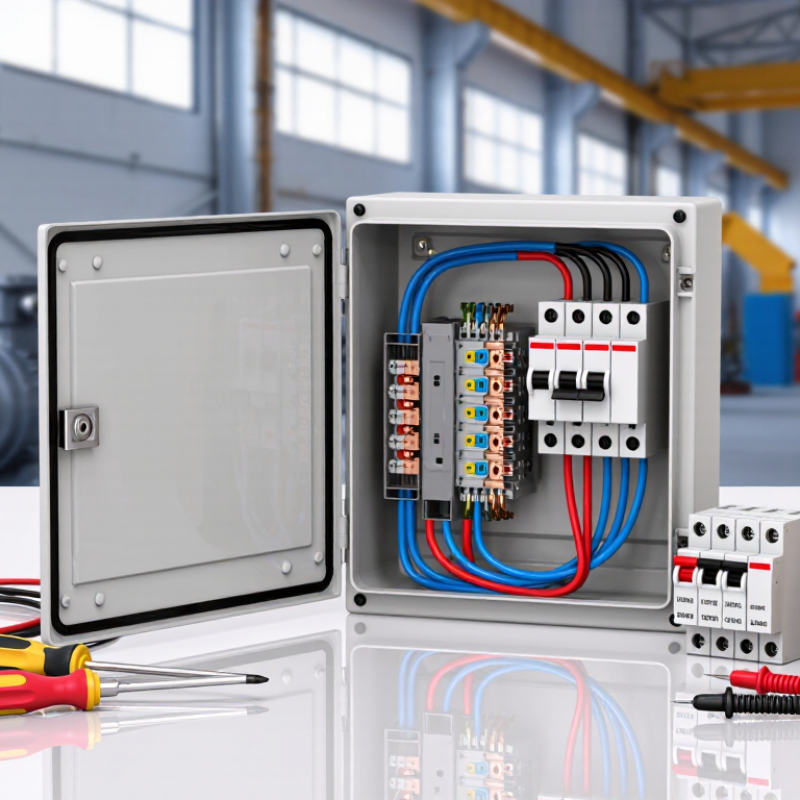
7 AC Magnetic Starter Buying Tips for Global Buyers

Understanding AC Magnetic Starters and Their Main Components

Understanding AC Magnetic Starters and Their Main Components

An AC magnetic starter switches a motor on and off through an electromagnetic contactor. Its coil pulls the contacts closed when control voltage is applied. The overload relay monitors motor current and trips the circuit if sustained overload occurs. Short-circuit protection is usually provided by a separate fuse or circuit breaker. Know the difference.

IEC 60947-4-1:2018 covers electromechanical contactors and motor-starters, offering buyers a useful technical reference. IEA analysis has estimated that electric motor-driven systems use about 45% of global electricity, so dependable motor control matters beyond the panel itself.

A starter’s enclosure protects its components from dust, moisture, and accidental contact. Match its protection level to the installation, not just the product photo. Check the coil’s control voltage, motor voltage, rated current, and overload-adjustment range against the motor nameplate.

One detail is easy to miss: frequent starts can increase contact wear. I would verify the expected duty cycle with the supplier rather than assume a standard rating fits.

Tip: Request a wiring diagram and confirm whether short-circuit protection is included. Check spare contact availability, too. Small parts matter. Also confirm that the overload relay’s setting range covers the motor’s full-load current.

Defining Load, Voltage, and Operating Requirements

Before comparing AC magnetic starters, record the motor’s nameplate data. Note its rated power, full-load current, voltage, phase, and frequency. The current matters most when matching contactor capacity; power ratings alone can mislead across voltage systems. Check the motor’s starting method and expected start frequency, too. Frequent starts or long acceleration times can increase contact wear and heat. Measure, don’t guess.

Then confirm both power and control voltages. A starter may switch a three-phase motor while its coil uses a separate control supply. Specify the available supply voltage and frequency, and check that the coil matches them. A mismatch can cause chatter, overheating, or failure to pull in. Small details matter. If the supply fluctuates, ask a qualified supplier to confirm the acceptable operating range rather than assuming.

Describe the real working conditions, not just the motor. Include ambient temperature, dust or moisture exposure, mounting location, and any vibration. Explain whether the load is a pump, conveyor, or another machine, since starting torque and stopping behavior differ. Ask how overload protection is selected and coordinated with the motor’s rated current. I have seen specifications omit start frequency; it seems minor, but it can change the suitable starter. If any value is uncertain, mark it for verification before ordering.

7 AC Magnetic Starter Buying Tips for Global Buyers - Defining Load, Voltage, and Operating Requirements

Estimated three-phase motor full-load current at 400 V, shown against motor rated output. This comparison uses a power factor of 0.85 and efficiency of 90% for every motor, so values are estimates—not substitutes for the motor nameplate or manufacturer data.

Use the motor nameplate current, supply voltage, duty, and applicable utilization category (such as AC-3 for squirrel-cage motor starting) to verify starter selection. Actual current varies with motor design and operating conditions.

Checking Starter Ratings, Motor Compatibility, and Protection Features

A magnetic starter should match the motor’s nameplate, not just its horsepower. Check rated operational voltage, full-load current, and the intended AC-3 duty for starting squirrel-cage motors. The International Energy Agency’s 2011 report, Energy-Efficiency Policy Opportunities for Electric Motor-Driven Systems, estimates that motor-driven systems use about 45% of global electricity. Small selection errors can therefore affect efficiency and reliability at scale. Read the plate closely.

Compare the starter’s current rating with the motor’s actual full-load current, then confirm the overload relay’s adjustment range covers it. Match the contactor coil voltage to the control circuit; a 24 V control supply cannot operate a mismatched coil reliably. Check how often the motor starts, too. A conveyor starting every few minutes puts different demands on contacts than a pump that runs steadily. I still verify these details against the equipment diagram, because field wiring does not always match the paperwork.

Protection needs careful coordination. An overload relay helps respond to sustained overcurrent, while a suitable upstream protective device addresses short circuits; one component should not be assumed to replace the other. Check phase-loss response, enclosure protection, and the installation environment, especially where dust or moisture is present. IEC 60947-4-1 provides a relevant framework for electromechanical contactors and motor starters. Ratings matter. But so does the actual operating condition.

7 AC Magnetic Starter Buying Tips for Global Buyers - Checking Starter Ratings, Motor Compatibility, and Protection Features

Buying Tip What to Check How to Evaluate It Buyer Action
1. Match the starter’s utilization rating to the duty Contactor utilization category, such as AC-3 for starting and switching off running squirrel-cage motors, or AC-4 for demanding duties such as inching and plugging. A contactor’s motor-switching capacity depends on its utilization category and operating conditions; a general current rating alone may not establish suitability for motor duty. Confirm the intended operating cycle with the supplier and select a rating for the actual duty, including starts per hour and required electrical life.
2. Verify compatibility with the motor Motor nameplate voltage, full-load current, phase, frequency, and starting method. For three-phase motors, compare the starter and overload-relay selection with the motor’s rated current at the supply voltage. Do not rely on a kW or horsepower figure without checking its stated voltage and rating conditions. Provide the motor nameplate details and the supply-system information when requesting a selection.
3. Check the contactor’s operational rating Rated operational voltage and current, pole configuration, and the manufacturer’s stated motor-power rating for the applicable duty. Contactor ratings vary with voltage, utilization category, and switching duty. The contactor makes and breaks normal operating current; it is not, by itself, overload or short-circuit protection. Check the complete rating data for the target supply and application rather than selecting by frame size or a single current figure.
4. Match the coil to the control supply Contactor coil voltage, AC or DC type, and—where applicable—AC frequency. The coil rating must suit the control circuit, which may differ from the motor power supply. A mismatched coil can prevent reliable operation or cause damage. Specify the available control voltage and frequency, and verify the coil marking before installation.
5. Select the right overload protection Adjustable current range, trip class, phase-loss sensitivity, and reset method of the thermal or electronic overload relay. The relay’s adjustment range must include the motor’s nameplate current. Trip class should suit the motor’s starting time and load; overload relays do not replace short-circuit protection. Set and verify the overload relay according to the motor nameplate and applicable installation requirements. Check whether manual or automatic reset is appropriate for the application.
6. Coordinate short-circuit protection and the enclosure Required upstream fuse or circuit-breaker coordination, prospective fault current, enclosure rating, and installation environment. Short-circuit protection is provided by a suitable upstream protective device coordinated with the starter. Enclosure protection should reflect exposure to dust, water, temperature, and other site conditions. Confirm coordination data and enclosure requirements for the installation; do not assume an overload relay will clear short circuits.
7. Confirm standards, supply details, and documentation Applicable product standards, local electrical requirements, wiring diagrams, terminal details, and required certificates or test documents. IEC 60947-4-1 covers electromechanical contactors and motor starters. Applicable requirements and accepted conformity documentation can vary by destination market. Check the project specification and local regulations, then request the relevant datasheets, wiring information, and conformity documentation before purchase.

Evaluating Certifications, Standards, and Supplier Reliability

An AC magnetic starter may look simple on a panel, but its certification details deserve close attention. Ask which standards apply in the destination market, including relevant IEC requirements or national rules. A certificate should cover the exact starter model, voltage range, and manufacturing site—not just a related product family. Check the issuing body, validity dates, and scope directly. Small details matter.

Standards also help buyers compare practical performance. Review ratings for operational current, short-circuit coordination, and ambient temperature against the intended motor and enclosure. Request test reports and installation instructions, then check that the stated ratings match the product label. I have seen paperwork look complete while leaving one rating unclear. That uncertainty is worth resolving before shipment.

Supplier reliability is visible in ordinary routines. Ask for sample inspection records, batch traceability, change-control procedures, and a clear response time for technical questions. A dependable supplier can explain how it manages coil, contact, and overload-relay variations without relying on vague assurances. If answers arrive quickly but documents conflict, pause and verify. No supplier is flawless; consistent records and candid corrections are more useful than polished promises.

Comparing Total Cost, Availability, and After-Sales Support

For global buyers, a magnetic starter’s purchase price is only one part of its cost. Compare the unit price with freight, import handling, packaging, and any local testing requirements. Check that the starter’s rated voltage, motor current range, and coil voltage match the installation. A low-cost unit can become expensive if it needs rewiring or an adapter. Small details matter.

Availability affects project schedules. Ask suppliers for current stock, production lead time, and dispatch estimates—not just a standard delivery window. Confirm whether replacement coils and contact blocks are stocked separately. A starter may be available today, while a compatible spare takes weeks. That gap can leave a maintenance team waiting. Regional warehouses help, but verify stock before relying on them.

After-sales support should be practical and reachable. Clarify warranty coverage, response times, troubleshooting options, and access to wiring diagrams. For a cross-border purchase, confirm support hours and the language used for technical documents. Keep written records of agreed specifications. A spreadsheet helps, though it can still miss awkward details, such as who pays return freight for a faulty unit. Compare the full landed cost and the support behind it, not just the quote.