What is the Best Car Audio System for Your Vehicle?
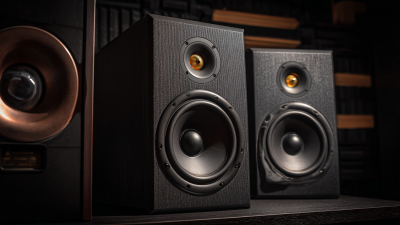
Choosing the right audio system car audio for your vehicle can be overwhelming. With numerous options available, making the best decision is crucial. Quality sound can significantly enhance your driving experience. A well-installed audio system creates an immersive atmosphere for music lovers.
Consider your specific needs before making a choice. Do you prioritize bass, clarity, or Bluetooth connectivity? Each feature adds a unique flavor to your listening experience. However, a high-priced system doesn’t always guarantee the best sound. Researching and testing various systems is vital for personalized satisfaction.
Taking the time to evaluate user reviews and expert opinions can help guide your decision. Remember, an effective audio system doesn’t just amplify sound; it transforms it. Finding the right balance between budget and quality is essential. Be mindful of your vehicle’s acoustics and how they interact with different systems. This ensures you make an informed choice for your car audio upgrade.
Understanding Your Vehicle's Audio Needs
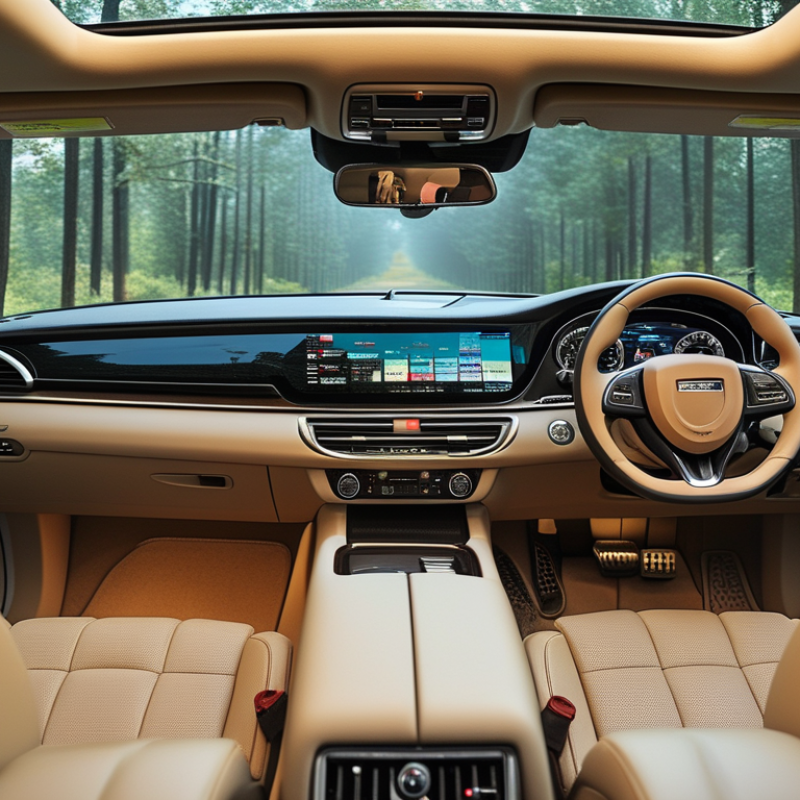
When considering the best car audio system, it's essential to understand your vehicle's unique audio needs. Every car is different. Factors like size, insulation, and existing equipment all play a role. For instance, a compact car generally benefits from a system designed to deliver sound clearly without overwhelming bass. Larger vehicles may require amplified systems to fill the cabin with sound.
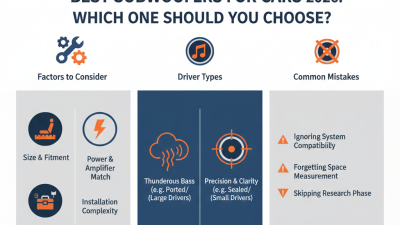
Assessing your listening habits is also crucial. Do you enjoy deep bass, or do you prefer clear vocals? Some systems emphasize one over the other. If you often travel with passengers, a balanced sound is vital. Ideally, positions for speakers should allow for even sound distribution. Pay attention to speaker placement. Poor installation can lead to sound distortion, affecting your auditory experience.
Reflect on the power source and compatibility of components. High-quality components often require proper power support. Additionally, an imbalance in the system can leave listeners disappointed. Regularly updating your audio equipment, or seeking professional advice can help. Each vehicle offers unique challenges, but with careful consideration, achieving optimal sound quality is possible.
What is the Best Car Audio System for Your Vehicle? - Understanding Your Vehicle's Audio Needs
| Audio System Type |
Power Output (Watts) |
Speaker Size |
Connectivity Options |
Price Range |
| Component System |
100 - 300 |
6.5" - 8" |
Bluetooth, USB, AUX |
$200 - $800 |
| Coaxial System |
60 - 160 |
5.25" - 6.5" |
Bluetooth, USB |
$50 - $300 |
| Subwoofer System |
250 - 1000 |
10" - 15" |
RCA, Bluetooth |
$150 - $1200 |
| Multimedia System |
Single or Multichannel |
7" and above |
Bluetooth, HDMI, USB |
$300 - $1500 |
Types of Car Audio Systems Available
When selecting a car audio system, understanding the types available is crucial. Generally, car audio systems fall into three main categories: factory-installed systems, aftermarket basic systems, and premium aftermarket systems. Factory-installed systems provide basic audio quality, but often lack the depth many audiophiles desire. According to industry reports, about 55% of car owners upgrade to aftermarket systems for better sound quality.
Aftermarket basic systems consist of basic components like head units and speakers, providing a moderate upgrade. These systems can enhance overall sound without a steep learning curve. Around 40% of upgrades fall into this category, often appealing to casual listeners. Premium aftermarket systems offer the highest quality and customization. They include advanced features like subwoofers, amplifiers, and specialized speakers, and about 15% of car enthusiasts invest in them.
Tips: Consider your listening habits. If you mainly enjoy background music, a basic system suffices. If sound quality is paramount, explore premium options. Always check compatibility with your vehicle model. Remember, proper installation affects performance. An improperly installed system can lead to disappointing audio experiences. Consider seeking professional help for complex upgrades. Quality matters in the long run.
Types of Car Audio Systems Available
Key Features to Consider in Car Audio Systems
When selecting a car audio system, several key features warrant attention. Sound quality is paramount. Look for systems that deliver clear highs and deep lows. A balanced sound profile enhances your listening experience, whether you're enjoying music or podcasts.
Next, consider power output. A higher wattage can drive your speakers effectively. This ensures that you can play your audio at a comfortable volume without distortion. Don't overlook the importance of speaker quality. Look for materials that enhance sound clarity. Quality speakers can make a noticeable difference, even in less expensive systems.
Lastly, connectivity options matter. Bluetooth and USB ports allow for flexible media choices. However, some users may feel confused by multiple connectivity types. It's crucial to choose a system that fits your habits. Think about how you'll connect your devices. This reflection can aid in making a more informed decision, ensuring you enjoy every drive.
Installation Options: DIY vs. Professional Assistance
When it comes to upgrading your car audio system, choosing between
DIY installation
and hiring a professional
can be challenging. DIY offers hands-on experience and potential cost savings.
If you have some technical skills, you can dive into the installation process.
However, without proper knowledge, you might face issues like
poor sound quality or even
damaging your vehicle's wiring.
On the other hand, professional installation ensures that all components work
seamlessly. Experienced technicians can identify and address potential problems
before they arise. This option may seem pricier, but it often brings peace of mind.
They'll not only install the system but also provide guidance on
optimizing sound settings.
Reflecting on your choice is crucial. Consider your comfort level with tools
and technology. Sometimes, a quick tutorial online can make you feel more capable.
Yet, if the concept feels overwhelming, seeking
professional help might be
the best route to take.
Budgeting for Your Car Audio Upgrade
Upgrading your car audio system can enhance your driving experience significantly. However, budgeting for this upgrade requires careful planning. Start by assessing your current audio setup. Identify which components need replacing. This could include speakers, amplifiers, or head units. Understanding your needs helps tailor your budget effectively.
Consider the cost of key components. Quality speakers are essential for crisp sound. A good amplifier can greatly improve audio clarity. Installing this equipment may require professional help. This adds labor costs, which aren't always included in DIY budgets. Don't forget about additional items, like cables and sound deadening materials. They can help maximize your audio performance.
It's easy to underestimate the total cost. Skimping on quality can lead to dissatisfaction later. Allocating funds for the right gear is crucial. Prioritizing what truly matters in your audio experience will guide your spending. Reflecting on past audio purchases can illuminate what you might want differently this time. Budgeting wisely now can lead to a satisfying upgrade down the road.