What Is the Best Handheld Infrared Sensor in China?
Choosing the best Handheld Infrared Sensor in China requires more than comparing prices or attractive specifications. Real performance appears in demanding conditions. A technician may inspect a hot pipe, a moving machine, or an electrical cabinet with limited lighting. The sensor must respond quickly and provide stable readings. Its accuracy should remain dependable across practical temperature ranges. Clear displays, comfortable grips, and simple controls also matter during long inspections.
A reliable evaluation should examine detector type, spectral range, thermal sensitivity, calibration records, and measurement distance. Look for manufacturers that publish technical data and offer traceable calibration services. Independent testing, documented quality systems, and responsive technical support strengthen confidence. In China, supplier verification is especially important. Factory visits, sample testing, and after-sales discussions can reveal differences that brochures hide. Battery life and protection against dust or moisture deserve attention too. Small details matter.
No instrument is perfect. A highly sensitive model may cost more and require careful setup. A budget sensor may perform well, but its long-term stability could remain uncertain. I would not choose a product from specifications alone. Field trials, user feedback, and repeat measurements provide stronger evidence. This article compares practical options for industrial inspection, maintenance, research, and environmental monitoring. It focuses on measurable value, not exaggerated claims. The final choice should match the application, operator skill, and required confidence level. That sounds cautious, but caution prevents expensive mistakes.
What Is a Handheld Infrared Sensor?
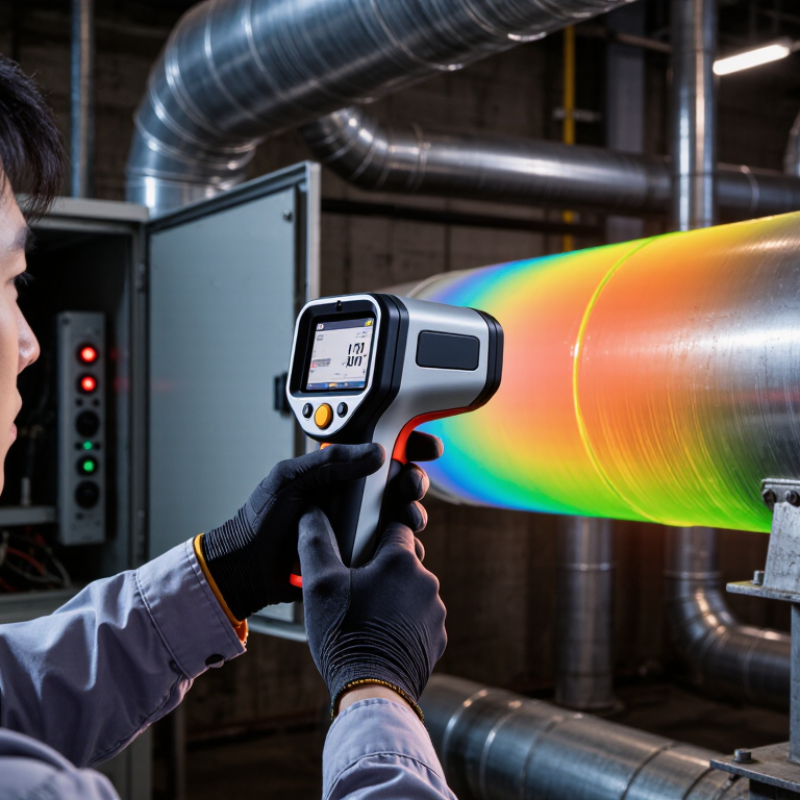
A handheld infrared sensor detects thermal radiation without touching the target. It is not a camera. A detector converts invisible infrared energy into temperature or motion data. Common components include thermopile, pyroelectric, and microbolometer elements. Each design serves a different field task.
For temperature checks, the sensor measures infrared wavelengths, often within the 8–14 micrometre atmospheric window. Its accuracy depends on emissivity, distance, viewing angle, and calibration. A shiny metal pipe can produce misleading readings. Small errors matter. The operator should adjust emissivity and keep a stable distance before recording results. A useful handheld unit should also provide clear readings, fast response, durable housing, and sufficient ingress protection for the working environment.
Industry demand supports stronger technical expectations. The MarketsandMarkets Thermal Imaging Market report published in 2023 projected double-digit growth through 2028, driven by industrial inspection, building maintenance, and safety applications. Grand View Research also reported continued expansion in the global infrared detector market, supported by automation and energy-efficiency testing. These figures show demand, not guaranteed performance. In China, the best handheld infrared sensor should match the task, not merely offer the highest resolution. Field use exposes weaknesses. Users should verify calibration records, measurement repeatability, temperature range, and after-sales technical support before purchase.
How Do Handheld Infrared Sensors Work?
What Is the Best Handheld Infrared Sensor in China?
How Do Handheld Infrared Sensors Work?
A handheld infrared sensor detects thermal radiation from objects without physical contact. Every object above absolute zero releases infrared energy. Warmer surfaces usually emit stronger radiation, although surface material also affects readings.
Inside the device, an optical lens focuses infrared energy onto a detector. The detector changes this energy into an electrical signal. A processor then estimates surface temperature using calibration data and emissivity settings. The screen displays the result within seconds. Simple, but not effortless.
Measurement conditions matter. Steam, dust, reflective metal, and direct sunlight can disturb the reading. A cold room may also slow the sensor’s response. In practical inspections, I compare readings from several nearby points rather than trusting one value. That habit often reveals uneven heating around pipes, motors, or electrical cabinets.
Tips: Keep the sensor at a steady distance. Aim perpendicular to the surface when possible. Set emissivity carefully, especially for polished metal. Clean the lens with a suitable soft cloth. Test the sensor against a known reference before important inspections. Readings are estimates, not absolute truth. That limitation deserves attention.
How to Compare Chinese Handheld Infrared Sensor Brands
When comparing Chinese handheld infrared sensor brands, start with the measurement task, not the product image. A warehouse technician may need quick surface checks, while an electrical engineer may require stable readings on hot panels. Define the target temperature range, distance, field of view, response time, and measurement accuracy. These details often reveal more than a high-resolution display.
Test several units under identical conditions. Measure a matte black surface, a metal pipe, and a moving heat source. Record readings at one metre and three metres. Check whether the sensor stays consistent after ten minutes of use. Also inspect the trigger, screen brightness, grip, battery access, and data export process. Small controls matter in cold workshops and noisy production areas. Calibration records, traceable test reports, and clear technical manuals indicate stronger professional practice. Independent conformity documentation can also improve purchasing confidence.
My first comparison was too narrow. I focused on accuracy and ignored software stability. That was a mistake. A sensor can show impressive numbers but still frustrate operators with delayed readings or unclear alarms. Ask suppliers about calibration intervals, replacement parts, warranty handling, and service response times. Request sample data, not only catalog specifications. Some published figures may depend on ideal laboratory conditions. Real surfaces, dust, vibration, and reflective materials can change results. A careful trial often exposes these limits before a large order.
How to Choose the Right Sensor for Your Application
The best handheld infrared sensor in China is not automatically the most expensive model. It is the one that matches your application, working conditions, and measurement habits. A technician checking heated pipes needs different performance from a quality inspector measuring food surfaces or electrical cabinets.
Define the target temperature range first. Then check accuracy, response time, and measurement distance. A narrow field of view helps when inspecting small connectors or circuit terminals. A wider view can suit large machine housings. Emissivity settings also matter, especially on polished metal, which may reflect nearby heat instead of showing its own temperature. Fit matters. A heavy device becomes tiring during repeated inspections.
In field checks, I would also examine the display under bright factory lighting, glove-friendly buttons, battery life, and data storage. Dust and occasional moisture make a durable enclosure useful. An IP rating can offer guidance, but it does not replace careful handling. Ask for calibration records connected to recognized measurement standards. This improves traceability and supports reliable maintenance decisions. Some devices advertise impressive accuracy, yet their results change when the distance or surface angle changes. That weakness is easy to miss. Test the sensor on a known reference surface before deployment, and repeat the test after transport. No sensor is perfect. Your process should reveal its limits.