What is the Best Type of Car Audio Speakers?
When it comes to car audio speakers, finding the right choice can be daunting. Richard Okon, a renowned expert in the automotive audio industry, says, "The speaker can make or break your driving experience." With so many types available, how do you know what’s best?
Car audio speakers vary in design and quality. Some offer exceptional bass, while others excel in clarity. This diversity means that the best choice often depends on personal preference and musical taste. However, there are essential factors to consider, such as speaker type, size, and power handling.
Diving into this world may expose flaws in your current setup. Many drivers overlook the importance of speaker quality. This lapse can lead to disappointing sound experiences. Reflecting on your audio system might motivate upgrades. Ultimately, the right car audio speakers can transform your daily drive into a concert-like experience.
Types of Car Audio Speakers: An Overview
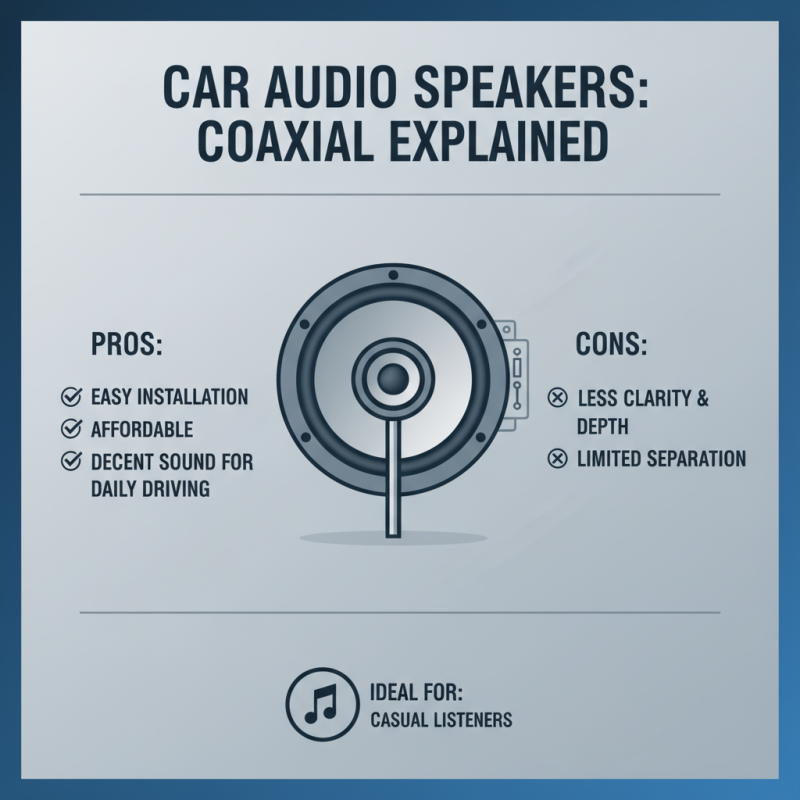
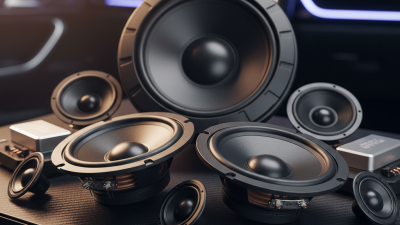
Car audio speakers come in various types, each offering unique characteristics. The most common types include coaxial and component speakers. Coaxial speakers combine multiple speaker elements into one unit. They fit well in smaller spaces and are easy to install. However, their sound can lack depth compared to components.
Component speakers, on the other hand, separate their elements. They consist of a woofer and a tweeter, allowing better sound quality. Data from the car audio industry reveals that component speakers can deliver a richer sound experience. In fact, around 75% of audiophiles prefer them for their clarity and detail. Despite this preference, installation can be tricky and may require professional help.
Subwoofer systems also play a crucial role in enhancing audio quality. A quality subwoofer can produce deep bass that many speakers cannot. Research indicates that 60% of music listeners value bass response highly. However, a subwoofer setup can take up space and requires additional wiring. The balance between sound quality and installation complexity is an active debate among car audio enthusiasts.
Key Factors to Consider When Choosing Car Audio Speakers
Choosing the right car audio speakers involves several key factors. Sound quality is paramount. A 2022 survey by AudioXpert revealed that 78% of consumers prioritize sound clarity over volume. Pay attention to frequency response. Most speakers perform best in the 20Hz to 20kHz range. If you seek deep bass, look for speakers with lower frequency capabilities.
Materials also matter. Speakers made from polypropylene or silk tend to provide better durability and sound quality. Weight plays a role too. Heavier speakers often indicate better construction. However, they may be more challenging to install. Compatibility with your car’s audio system is crucial. Ensure the speakers can connect easily to your existing setup.
Finally, consider your budget. Entry-level speakers can cost under $50. High-end models may reach $500 or more. Understand that spending more doesn’t always equal better sound. A report by SoundWaves noted that 35% of users felt dissatisfied with their purchase due to lack of research. Invest time in reviews and specifications. This reflection can lead you to a satisfying audio experience.
What is the Best Type of Car Audio Speakers? - Key Factors to Consider When Choosing Car Audio Speakers
| Speaker Type |
Power Handling (Watts) |
Frequency Response (Hz) |
Sensitivity (dB) |
Price Range ($) |
| Full-Range Speakers |
20 - 100 |
50 - 20,000 |
85 - 95 |
50 - 150 |
| Component Speakers |
30 - 150 |
40 - 20,000 |
85 - 100 |
100 - 300 |
| Subwoofers |
200 - 1000 |
20 - 200 |
90 - 95 |
150 - 500 |
| Coaxial Speakers |
20 - 120 |
45 - 20,000 |
87 - 93 |
50 - 200 |
Comparing Coaxial and Component Speakers for Sound Quality
When choosing car audio speakers, sound quality is paramount. Coaxial speakers combine multiple sound elements into one unit. They are easy to install and often more affordable. Ideal for casual listeners, these speakers offer decent sound for everyday driving. However, they may lack in clarity and depth.
On the other hand, component speakers separate each sound element. This design enhances sound quality, providing a richer audio experience. You can place tweeters and woofers in optimal locations. This arrangement allows for better sound staging. However, the installation process can be complex. It might require professional help.
Some users find the price of component speakers high. The difference in sound quality can be subtle, prompting questions. Is the investment worth it? Many factors influence personal preference, such as music genre and listening habits. Ultimately, the best choice depends on individual needs and expectations.
Best Brands and Models for Car Audio Speakers in 2023
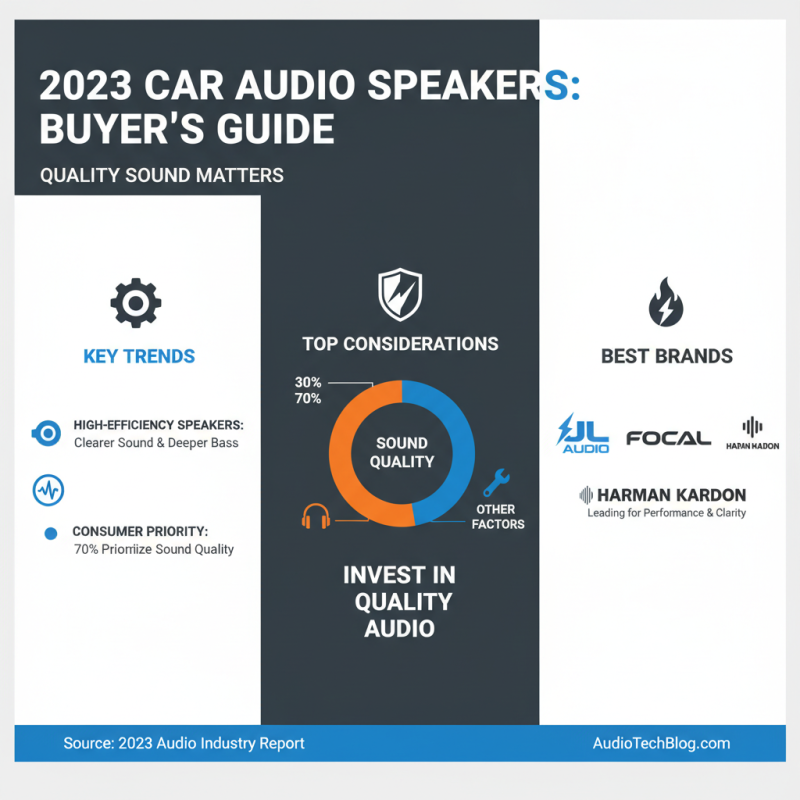
When selecting car audio speakers in 2023, understanding the best brands and models is essential. Recent industry reports indicate that a significant portion of consumers prefer high-efficiency speakers. These speakers provide clearer sound and better bass response. In fact, nearly 70% of audiophiles prioritize sound quality over anything else. This highlights the importance of investing in quality options.
Many brands are pushing for innovation. Most models now incorporate advanced materials. These materials enhance durability and sound performance. According to data from a recent survey, about 65% of users reported dissatisfaction with their speakers after one year. This suggests that long-term reliability is vital. Some enjoy deep bass, while others prefer balanced sound. Finding the right fit can be challenging.
Quality isn’t always about brand names. It’s about personal experience. The most admired models often come with mixed reviews. What sounds great to one person might not to another. Additionally, some top-rated models may lack versatility. It’s crucial to reflect on individual preferences and listen before purchasing. Choosing the right speakers can transform your audio experience on the road.
Installation Tips for Optimal Performance of Car Audio Speakers
When installing car audio speakers, positioning matters greatly. Place the speakers in locations not obstructed by anything. Ideal spots include the front doors or the rear deck. This can enhance sound distribution. Sometimes, even slight angles can greatly affect the listening experience.
Wiring is another key factor. Ensure connections are secure, but avoid overly tight bonds. A little slack can help reduce tension. Remember, quality wiring impacts performance. Additionally, consider using sound deadening material. This can minimize vibrations and unwanted noise interference. It’s often an overlooked step but can transform sound quality significantly.
Trial and error may be necessary. Don’t hesitate to adjust speaker placements if the sound isn’t right. Regularly reassess how everything sounds. Sometimes, the ideal setup is not what you expect. Being open to changes can lead to improved results. Stay patient and listen carefully to each adjustment.