What is a Car Audio Amplifier and How Does it Enhance Sound Quality?
A car audio amplifier is a vital component in enhancing sound quality in vehicles. These devices boost the audio signal, providing clearer and more powerful sound. Car audio amplifiers can make a noticeable difference in the listening experience. They elevate the sound, bringing depth and clarity that factory systems often lack.
When installed correctly, car audio amplifiers can transform ordinary music into an impressive auditory experience. They achieve this by increasing the power delivered to the speakers. This leads to richer bass, sharper highs, and overall balanced sound. Many car enthusiasts seek amplifiers to optimize their audio setup.
However, not every amplifier is perfect for every system. Choosing the right one requires careful consideration of various factors. Compatibility with speakers is essential. Overpowering or underpowering can lead to distortions. Sometimes, people overlook these details, leading to less satisfactory results. Understanding car audio amplifiers is key in creating that ideal sound environment.
What is a Car Audio Amplifier?
A car audio amplifier is a device that improves sound quality in your vehicle. It boosts the audio signal from your stereo, making it louder and clearer. Many people think factory-installed systems are sufficient, but often they lack depth and power. An amplifier can fill that gap.
When you listen to music, the clarity can vary greatly. With an amplifier, the highs are crisp, and the lows are deep. You might notice a stronger bass that resonates throughout the car. This enhancement makes a world of difference, especially during long drives. Imagine enjoying every note as if you were front and center at a concert.
Choosing the right amplifier is not easy. You need to consider the type of music you enjoy. Some amplifiers may not work well with specific speakers. Balancing power and sound can be tricky. You might need to experiment before finding the perfect fit. Don't overlook the importance of quality connections between devices. These small details can change your experience dramatically.
The Functionality of Car Audio Amplifiers
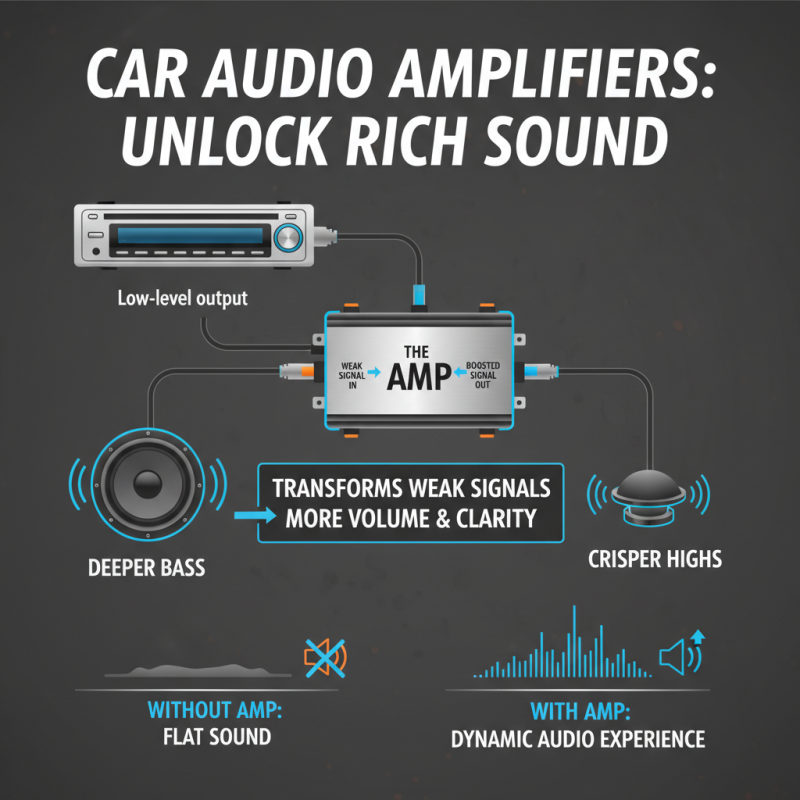
Car audio amplifiers serve a crucial role in enhancing your listening experience. They boost audio signals, providing greater clarity and volume. This device takes weak signals from your car stereo and amplifies them. The result? Richer sound with deeper bass and crisper highs. Without an amplifier, sound can often feel flat and lifeless. You might notice that music lacks details, especially at higher volumes.
An amplifier works by increasing the power of the sound. It can drive larger speakers that produce better audio. Imagine listening to a favorite song. With an amplifier, the music feels like it surrounds you. However, not all amplifiers are created equal. Channel configurations can vary. Some setups may not fit well with certain types of car audio systems. This mismatch can lead to a less than satisfying output. Choosing the right amplifier can be more challenging than it seems.
Installation is another area that often needs attention. A poorly installed amplifier can cause distortion. This makes music sound muddy. Wiring issues can hinder performance as well. You might find yourself pondering the true potential of your audio system. Sometimes, exploring the right options leads to better sound quality. Making informed choices is key. Enhancing your car's sound requires careful consideration and ongoing reflection on your audio needs.
How Amplifiers Improve Sound Quality in Vehicles
Car audio amplifiers play a crucial role in enhancing sound quality within vehicles. They significantly boost the audio signal to help speakers produce clearer, more dynamic sound. According to a report by the Consumer Technology Association, nearly 70% of drivers seek better audio experiences. This clearly highlights the demand for quality sound systems in cars.
Amplifiers improve sound quality in several ways. Firstly, they minimize distortion by providing a cleaner power source to the speakers. A study from the Mobile Electronics Association found that users experienced up to 40% less distortion when using an amplifier. This means music sounds more lifelike, especially at higher volumes. Furthermore, amplifiers enable richer bass responses. They achieve this by efficiently driving subwoofers, which enhances the overall audio experience, making music more immersive.
Tips: Always check compatibility when selecting an amplifier for your car. A mismatch can lead to less-than-ideal sound quality. Be mindful of installation, too. A poorly installed amplifier can cause buzzing or other unwanted noises. Experiment with settings to find what best suits your listening preferences. Each vehicle's acoustics are different.
What is a Car Audio Amplifier and How Does it Enhance Sound Quality?
| Feature |
Description |
Benefit |
| Power Output |
Measured in watts, determines how loud the sound can be without distortion. |
Higher power output leads to clearer and louder sound, enhancing listening experience. |
| Signal-to-Noise Ratio (SNR) |
Comparative level of desired signal to background noise. |
Improved SNR means less background noise, resulting in clearer audio quality. |
| Total Harmonic Distortion (THD) |
A measurement of distortion in the audio signal output. |
Lower THD ensures more accurate sound reproduction, enhancing fidelity. |
| Channel Separation |
The ability of the amplifier to keep the left and right audio channels independent. |
Better separation creates a more immersive and spatial sound experience. |
| Built-in Equalization |
Allows users to adjust the frequency response of the audio output. |
Personalized sound tuning improves listening based on individual preferences and vehicle acoustics. |
Types of Car Audio Amplifiers and Their Uses
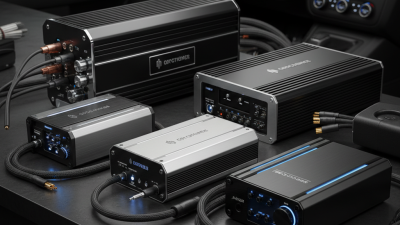
Car audio amplifiers come in different types, each designed for specific purposes. There are primarily two types: mono and multi-channel amplifiers. Mono amplifiers focus on powering a single speaker or subwoofer. This setup can significantly enhance bass response, offering a richer audio experience. A 2018 market report showed that more than 65% of audio upgrade enthusiasts prefer mono amplifiers for deep bass.
Multi-channel amplifiers, on the other hand, can power multiple speakers simultaneously. This setup is ideal for those who want balanced sound across their vehicle. They generally come in configurations like 2-channel, 4-channel, or even 5-channel amplifiers. Data shows that about 75% of users opt for 4-channel amplifiers for a well-rounded sound system. Proper configuration is crucial, as improper setup can lead to audio distortion or inadequate power distribution.
In terms of installation, the complexity varies. A basic mono amplifier may require minimal wiring, while a multi-channel unit may demand professional installation. Many users underestimate this factor, often resulting in subpar sound quality. Reflections on personal experiences reveal that investing time in understanding these systems can yield better audio performance. An informed choice can make all the difference in achieving true sound enhancement.
Installation Considerations for Car Audio Amplifiers
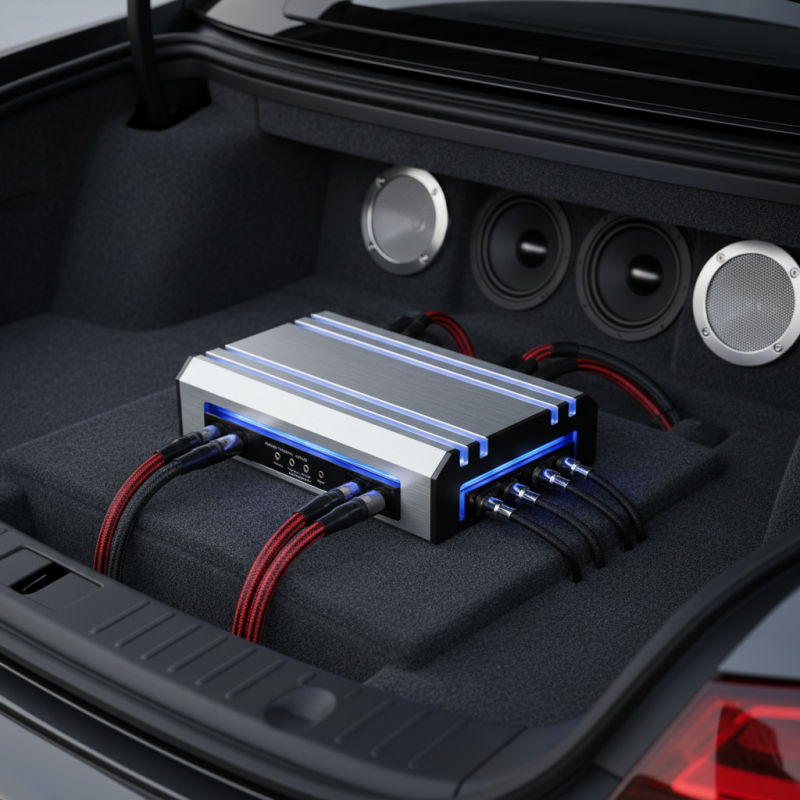
When considering the installation of a car audio amplifier, several factors come into play. The location of the amplifier is crucial. It should be easy to access but also secure from potential damage. Common spots include under the seats or in the trunk. Ensure there's enough ventilation to prevent overheating during use.
Wiring is another key aspect. High-quality wires can make a difference. Use adequate gauge wire to manage the power load effectively. Pay attention to the connections as well. Poor connections can lead to sound distortion or loss of power. It’s worth double-checking all the wiring before securing everything into place.
Tip: Before starting your installation, draw a plan. Visualizing placement and wiring paths can help avoid mistakes.
Furthermore, familiarize yourself with the amplifier's settings. Adjusting gain and crossover settings will significantly impact sound quality. Some users overlook this, leading to subpar audio experiences. Don't skip reading the manual; it holds important information.
Tip: Test the sound after installation. Listen for any unwanted noise. Make adjustments if necessary to optimize the audio experience.
Sound Quality Enhancement by Car Audio Amplifiers