China Top 10 Car Component Speakers Suppliers?
China’s car component speakers industry has moved beyond low-cost production. Many suppliers now combine injection-molded frames, treated paper cones, silk tweeters, and computer-assisted acoustic testing. Yet choosing the right partner requires more than reviewing a product catalog.
Dr. Floyd Toole, a respected loudspeaker researcher, said, “The best loudspeaker is the one that sounds the most like the original sound.” This principle guides our review of China’s top 10 car component speakers suppliers. We examine measurable performance, engineering experience, production consistency, and after-sales support. We also consider whether each supplier can adapt designs for different vehicle cabins, amplifier outputs, and climate conditions.
Small details matter. A tweeter may sound bright in a showroom but harsh inside a reflective dashboard. A woofer may deliver strong bass yet lose clarity at higher volume. Installation depth matters too. So does the quality of the crossover network.
Not every supplier deserves the same ranking.
Some companies publish detailed frequency-response charts and testing procedures. Others provide attractive specifications but limited independent evidence. That difference deserves attention. Supplier scale can suggest reliability, but it never proves acoustic quality.
This guide is designed for importers, automotive brands, distributors, and professional installers. It compares manufacturing capability, customization options, certifications, quality controls, and realistic application value. The ranking may still need revision as technologies, materials, and market conditions change. That is a weakness worth admitting.
The best choice is not always the largest factory. It is the supplier that delivers consistent sound, dependable communication, and verified performance across real vehicles.
What Are Car Component Speakers and Why Do They Matter?
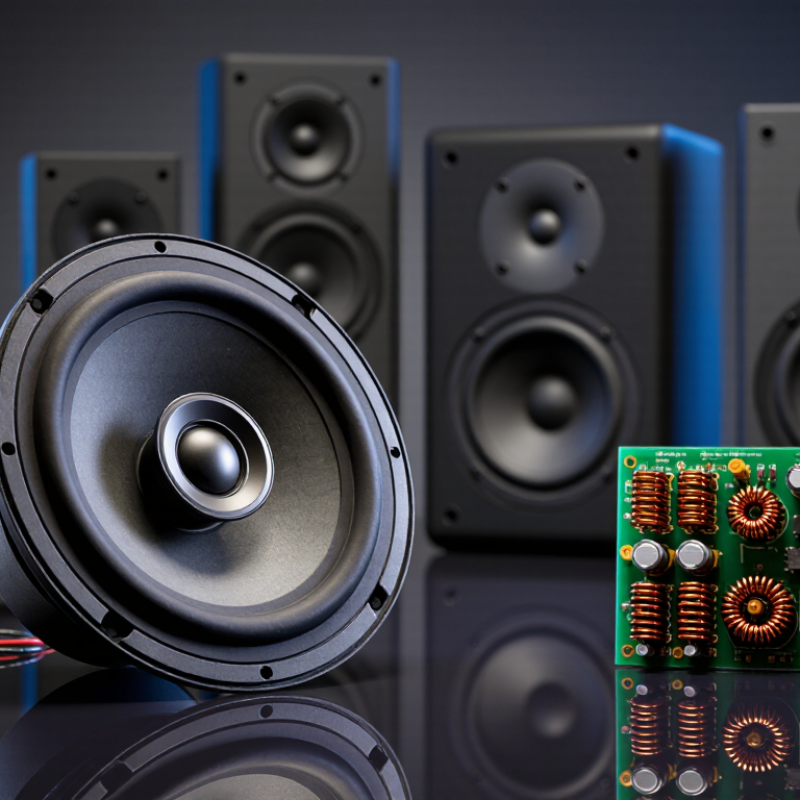
Component speakers use separate woofers, tweeters, and crossovers. This design differs from coaxial speakers, which combine drivers in one housing. Separate placement improves sound staging. Voices can appear near the dashboard, while bass remains lower and fuller.
Their value is measurable, not merely subjective. The 2024 Deloitte Global Automotive Consumer Study identifies connected in-car experiences as important to vehicle satisfaction. Audio is part of that experience. Grand View Research also reports continued growth in the automotive audio market, driven by premium cabin expectations and integrated entertainment systems. These figures describe market direction, not guaranteed sound quality.
In practical installations, a component system can reveal details hidden by factory speakers. Cymbals sound sharper. Vocals gain a clearer center position. However, speaker sensitivity, amplifier power, door damping, and crossover tuning matter just as much. A costly driver may perform poorly in a thin, vibrating door. That is often overlooked.
Independent testing should measure frequency response, distortion, and power handling. The Consumer Technology Association recommends standardized performance measurements for comparing audio equipment, but vehicle acoustics remain difficult to control. Cabin size, glass surfaces, and seat positions change the result. I have found that careful tuning can outperform impressive specifications. The conclusion is not always comfortable. Better components cannot fix every installation mistake.
How to Evaluate China’s Top Car Component Speaker Suppliers
China Top 10 Car Component Speakers Suppliers?
How to Evaluate China’s Top Car Component Speaker Suppliers
Evaluating automotive speaker suppliers requires more than comparing prices. Check their experience with vehicle-grade components, not only consumer audio products. Ask for production records, material specifications, and recent quality reports. A serious supplier should explain cone materials, voice-coil design, magnet strength, and impedance control clearly. Vague answers deserve caution.
Request samples from the same production line used for larger orders. Inspect the terminals, adhesive joints, grille fit, and wiring length. Test frequency response, distortion, vibration resistance, and temperature performance. Factory audits can reveal equipment age, storage conditions, and inspection procedures. Verify certifications and traceability documents with independent testing when possible. A polished sample can still mislead.
Tips: Compare at least three suppliers using identical test conditions. Review failure rates, warranty handling, tooling ownership, and delivery history. Ask how they manage design changes. In practical sourcing work, small changes in adhesive or foam can affect sound quality after months of use. Do not rely on one successful sample. I have found that communication speed matters, but it should not replace technical evidence. Some evaluations remain imperfect because factory data may be incomplete. Record every assumption before approving a supplier.
Comparing Products, Technologies, Prices, and Manufacturing Capabilities
China’s top ten car component speaker suppliers should be compared through measurable performance, not catalog claims. Product reviews should examine frequency response, sensitivity, impedance stability, and distortion at high volume. A 6.5-inch midrange speaker may use a paper, polypropylene, or fiberglass cone. Each material changes weight, damping, and sound character. Some suppliers offer compact tweeters, full-range units, and vehicle-specific component sets. Auditioning samples inside a test vehicle reveals problems that laboratory charts may hide.
Technology separates capable factories from simple assemblers. Experienced suppliers may use automated voice-coil winding, laser measurement, injection molding, and robotic adhesive control. Ask for production traceability, endurance-test records, and quality systems such as IATF 16949 certification. Manufacturing capacity also matters. A supplier producing 20,000 units monthly may offer better consistency than a larger factory with weak process control. Still, capacity figures require independent verification.
Prices commonly vary from about 8 to 45 US dollars per speaker set, depending on materials, testing, packaging, and order volume. Low quotes deserve careful questions. Are tooling, samples, and export packaging included? Lead times of 30 to 60 days are common, but custom molds may extend delivery. I have seen attractive prototypes fail after heat and vibration testing. That lesson remains important. No ranking is permanent. Supplier performance can change after equipment upgrades, staff turnover, or a new material decision. Ask for current samples, recent inspection reports, and clear warranty terms before approving production.
China Automotive Speaker Supplier Benchmark
Comparative benchmark across common automotive-speaker supplier profiles. Scores use a 0–100 index covering product engineering, manufacturing capability, quality consistency, price competitiveness, and export readiness.
Higher scores indicate stronger overall capability in the selected dimension. The benchmark is industry-level and does not represent any specific company or brand.
How to Choose the Right Chinese Speaker Supplier for Your Project
Choosing from China’s top ten car component speaker suppliers requires more than comparing online rankings. A suitable supplier must understand your vehicle platform, cabin acoustics, target price, and production schedule. Ask for samples with the same impedance, power rating, cone material, and mounting dimensions. Small differences can create installation problems.
Request frequency response charts, distortion data, durability records, and recent quality inspection reports. Check whether the supplier controls tooling, assembly, testing, and packaging internally. A factory visit can reveal practical details, such as connector storage, dust control, and final sound testing. If visiting is impossible, request live video inspections and sealed sample shipments. Certification documents should match your destination market and product category.
I once reviewed a speaker project where the prototype sounded excellent, but the mounting holes shifted slightly during mass production. The supplier corrected the tooling, yet the delay affected vehicle assembly. That experience changed my evaluation process. I now confirm drawing revisions, tolerance limits, sample approval procedures, and responsibility for rework. Communication speed matters too. Ask who handles engineering changes and how quickly they issue written responses. Be careful with unusually low quotations. They may exclude testing, tooling maintenance, packaging, or replacement support. No supplier is perfect. Your written specifications, inspection plan, and payment milestones must protect the project when assumptions prove wrong.