How to Choose the Best Car Audio System for Your Needs?
When it comes to choosing the right car audio system, it's important to consider your specific needs. Renowned car audio expert, Mark Johnson, once said, "The best sound system is the one that fits your style and wants." This summarizes the essence of selecting a suitable audio setup.
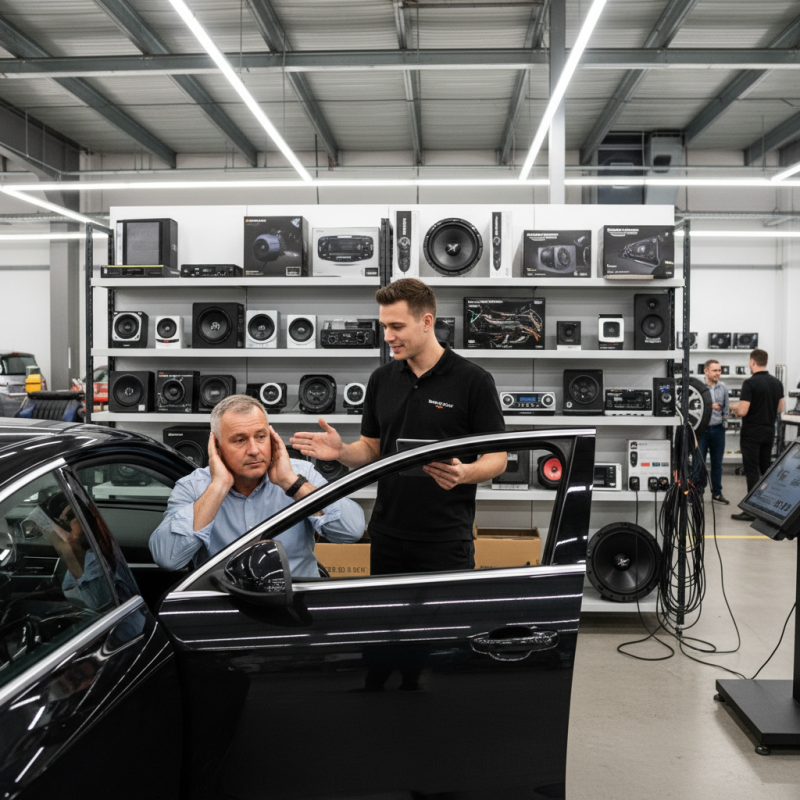
Your individual tastes play a crucial role in this decision. Do you enjoy bass-heavy music, or do you prefer clear vocals? Knowing your preferences can significantly narrow down your options. Additionally, visiting a store to test different systems can prove beneficial. Many customers overlook this step, thinking all systems are the same. They are not.
Budget is another key factor in your selection process. High-end systems promise amazing sound but may exceed your budget. Sometimes, mid-range options offer great value without sacrificing quality. Consideration of your financial limits can guide you toward the best car audio system for your needs. Balancing quality and price might require trial and error, but it's vital for a satisfying outcome.
Understanding Your Car Audio System Requirements
When choosing a car audio system, start by assessing your needs. Think about where and how often you drive. Are you in heavy traffic or cruising on highways? The type of music you enjoy also matters. Different genres may require various sound qualities.
Consider the size of your vehicle. A compact car may only need a basic setup, while larger vehicles could benefit from more speakers. Don’t overlook your listening habits. Do you prefer bass-heavy sounds or clear vocals? Each choice shapes your audio experience.
Installation can be tricky. If you’re not handy, hiring a professional is wise. Some try to install systems on their own, only to face frustration. It's essential to understand your capabilities. Weighing your options and reflecting on your preferences will lead to better choices. Ultimately, a well-informed decision enhances your enjoyment while driving.
Car Audio System Features Comparison
Evaluating Different Types of Car Audio Systems
Choosing the right car audio system can be overwhelming. There are many options available. Each type has its unique features. Understanding these features is crucial.
Begin by considering the type of music you listen to. Do you enjoy deep bass or crisp treble? Different systems cater to different tastes. Component speakers are great for audiophiles. They provide excellent sound quality. However, installing them requires effort and expertise.
On the other hand, coaxial speakers are easier to install. They combine various components into one unit. This makes them a more convenient choice. But, do they compromise on sound quality? Maybe. Evaluate your priorities before making a decision. Don't forget about multimedia options. Bluetooth and USB connectivity are becoming essential. This adds versatility to your audio experience. Make your choice based on your specific needs and the reality of your installation capability.
Key Features to Consider When Choosing Car Audio
When selecting a car audio system, several key features are essential to consider. Sound quality stands out as the most important factor. Many experts agree that a system's frequency response should ideally range from 20 Hz to 20 kHz, ensuring a full spectrum of sound. Reports indicate that nearly 75% of audiophiles prioritize clarity and bass response when making a choice.
Compatibility with various devices is another crucial aspect. Many systems today support Bluetooth, USB inputs, and smartphone integration. About 65% of users prefer systems that allow seamless streaming from their mobile devices. It’s worth noting that not all systems offer straightforward connectivity features. This can lead to frustration when trying to link devices quickly.
Power output is also an area requiring attention. A typical car audio system should provide at least 50 watts per channel for satisfying loudness. Yet, many affordable systems fall short here. It’s easy to assume high wattage guarantees better sound, but efficiency is key. Some systems struggle to achieve high volumes without distortion. Understanding your listening habits can help avoid poor choices.
How to Choose the Best Car Audio System for Your Needs? - Key Features to Consider When Choosing Car Audio
| Feature |
Description |
Importance |
| Power Output |
Measured in watts, indicates how much sound power the system can produce. |
High power output enhances sound quality and volume. |
| Sound Quality |
Refers to the clarity and fidelity of the audio output. |
Critical for an enjoyable listening experience. |
| Number of Channels |
Indicates how many speakers can be powered by the system. |
More channels allow for a more immersive sound stage. |
| Compatibility |
Ability to connect with various media sources, like smartphones and USB drives. |
Important for user convenience and adaptability. |
| Customization Options |
Features allowing adjustments to equalizer settings, balance, and effects. |
Enhances user experience and audio preference customization. |
| Size and Fit |
Dimensions of the unit should fit in car’s specific space. |
Ensures easy installation and avoids compatibility issues. |
| User Interface |
How easy it is to navigate menus and control the system. |
A good interface enhances usability and driver focus. |
| Price |
The cost of the audio system, which can vary widely. |
Budget considerations influence the selection process. |
Budgeting for Your Ideal Car Audio Setup
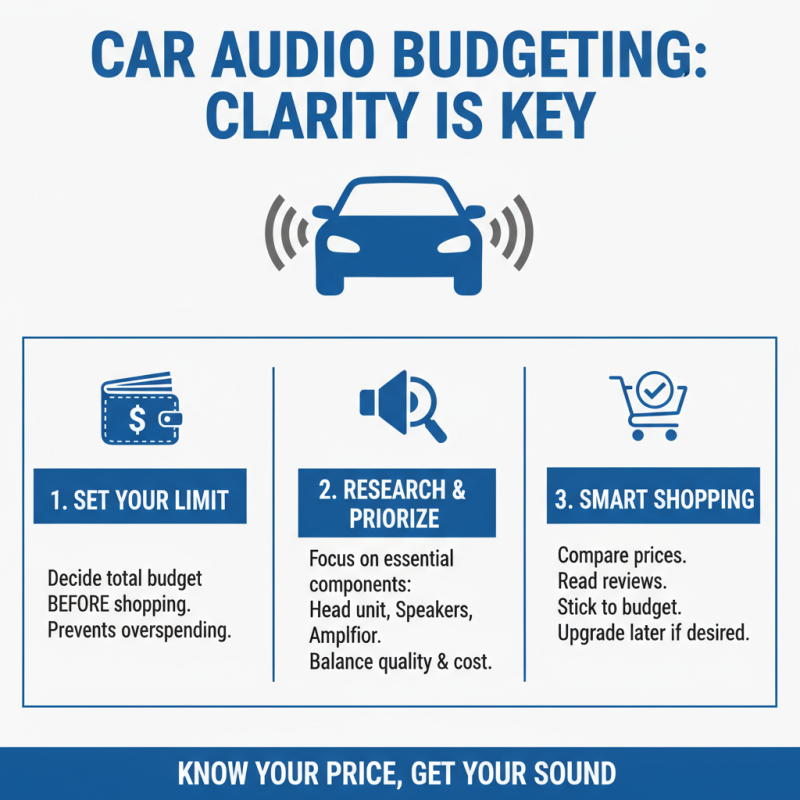
When budgeting for your ideal car audio setup, clarity is key. Determine how much you're willing to spend before dropping into a store or browsing online. A set budget helps you focus on what really matters. Car audio systems can range widely in price. Knowing your limits can prevent overspending.
Consider allocating funds for different components. Speakers, head units, and amplifiers each have their own costs. Spending a lot on one part may leave less for others. Think about the sound quality you desire. It's often better to invest in a balanced setup than in just one flashy piece. For many, mid-range options can deliver great results.
Tips: Always listen to audio setups in person. Online ratings can be misleading. Think about installation costs too. DIY may save money but could lead to problems. Lastly, don't forget accessories like cables and mounts. They can add to the total but are often overlooked. Remember, the best sound isn't always the most expensive.
Installation Options for Car Audio Systems
When considering the installation options for car audio systems, it's essential to evaluate your vehicle's setup. Many drivers face the dilemma of choosing between a professional installation and a DIY approach. A survey by the Consumer Electronics Association revealed that up to 40% of car owners prefer to install systems themselves, often for cost savings. However, this can lead to complications. Improper installation may result in subpar sound quality or even damage to the vehicle's electrical system.
Professional installation typically provides a more seamless integration. Experienced installers understand the nuances of different vehicles and audio systems. They ensure that components work harmoniously together. According to industry reports, professionally installed systems yield an impressive 20% better sound quality compared to DIY setups. Yet, many still hesitate due to higher upfront costs. Proper installation isn't just about aesthetics; it directly impacts performance.
Another factor in installation choice is the range of services offered. Some shops provide customization options, while others focus solely on standard models. This can leave users feeling overwhelmed. The quality of workmanship varies. While professional installations have their benefits, exploring tutorials for DIY methods can be beneficial. This allows users to understand their systems better, but adequate research and careful execution are critical to avoid pitfalls.