How to Choose the Best Car Sound System for Incredible Audio Experience
When it comes to enhancing your driving experience, investing in a high-quality car sound system is paramount. According to audio engineer Mark Stevens, “The right car sound system can transform an ordinary drive into an extraordinary experience by immersing you in rich, vibrant sound.” This statement underscores the importance of selecting a system that not only meets your audio preferences but also complements your vehicle's acoustics.
In today's market, the options for car sound systems are vast, ranging from sleek aftermarket setups to sophisticated integrated solutions. Each system varies in features, audio quality, and price, making it essential to understand the core components that define superior sound. Whether you're an audiophile seeking the finest clarity or a casual listener wanting deeper bass, the right sound system for your car can significantly enhance your time on the road.
By focusing on essential criteria such as speaker types, amplification, and installation options, you can make an informed decision that elevates your audio experience. This guide aims to navigate you through the intricacies of choosing the best car sound system, ensuring that every drive feels like a concert on wheels.
Factors to Consider When Choosing a Car Sound System
When choosing the best car sound system, several critical factors need to be considered to ensure an incredible audio experience. First and foremost, the type of audio source is essential. Many modern systems incorporate multiple connectivity options including Bluetooth, USB, and auxiliary inputs, allowing users to stream high-quality audio from various devices. According to a report by the Consumer Technology Association, over 75% of car audio users prefer systems that offer enhanced connectivity options for their smartphones and other devices, emphasizing the importance of versatility in choosing a sound system.
Another significant aspect to consider is the system's power output, as this directly affects sound quality and volume levels. A study by the Mobile Electronics Association indicates that car audio systems with a power output of at least 50 watts per channel are favored for achieving clearer sound at higher volumes. Additionally, speaker placement and quality are vital; utilizing components like subwoofers and tweeters can greatly enhance the audio experience by providing a fuller range of sound. Research has shown that configurations that complement the car's acoustics can lead to a 30% improvement in audio clarity and depth.
Finally, the importance of soundproofing should not be overlooked. An adequately soundproofed vehicle can significantly reduce external noise, allowing for a more immersive listening environment. Data from automotive sound management studies indicate that cars equipped with effective sound insulation reduce outside noise by up to 50%, which enhances the overall listening experience. Therefore, when selecting a car sound system, it is crucial to consider these factors to maximize audio performance and enjoyment while driving.
Types of Car Audio Components: Speakers, Amplifiers, and Subwoofers
When it comes to selecting the best car sound system for an incredible audio experience, understanding the types of car audio components is crucial. The primary components include speakers, amplifiers, and subwoofers, each playing a unique role in delivering high-quality sound. According to the Consumer Electronics Association, audio quality is ranked as a top feature for over 75% of car buyers when considering vehicle upgrades, underscoring the importance of investing in quality components.
Speakers are the heart of any car audio system, responsible for converting electrical signals into sound. The two main types of speakers are coaxial and component speakers. Coaxial speakers combine multiple speaker elements into one unit, making them a convenient and space-saving choice, while component speakers separate the elements for better sound quality and clarity across different frequencies. Research indicates that upgrading to high-quality component speakers can improve audio experience by up to 30%, making them a preferred choice for audiophiles.
Amplifiers serve to boost the audio signal to prevent distortion at higher volumes. They are essential if you are looking to maximize the performance of your speakers. A high-quality amplifier can enhance audio clarity and dynamic range significantly. Additionally, incorporating subwoofers allows for deeper bass sound, which is vital for genres like hip-hop and electronic music. Industry experts recommend installing at least one subwoofer to improve the overall sound experience, as it can enhance low-frequency response by up to 40%, adding depth and richness that standard speakers alone may lack. Understanding these components and their roles enables users to create a well-rounded audio system tailored to their listening preferences.
Car Audio Components Breakdown
This chart illustrates the proportion of different car audio components in a typical car sound system. Understanding the balance between speakers, amplifiers, and subwoofers can help you choose the best setup for an incredible audio experience.
Understanding Sound Quality: Frequency Response and Sensitivity
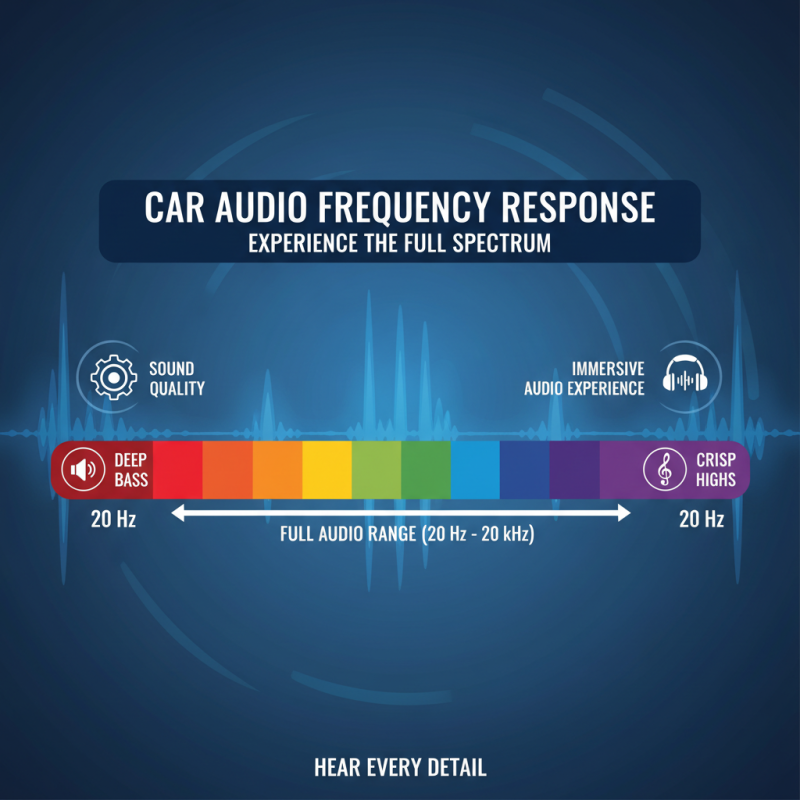
When selecting a car sound system, understanding sound quality is pivotal, particularly in terms of frequency response and sensitivity. Frequency response is defined as the range of frequencies a speaker can reproduce, typically measured in hertz (Hz). A broader frequency response means that the sound system can accurately reproduce a wide range of tones, from deep bass notes to crisp highs. Ideal frequency response values for a car audio system should span from around 20 Hz (the lowest note) to 20 kHz (the highest audible frequency for most humans). According to industry data, systems that faithfully reproduce this range tend to offer a more immersive audio experience, allowing listeners to enjoy nuances that elevate their overall listening enjoyment.
Sensitivity, measured in decibels (dB), refers to how efficiently a speaker converts power into sound. A higher sensitivity rating indicates that a speaker will produce more volume at a given power level, which is particularly advantageous in automotive environments where road noise can be substantial. Research suggests that speakers with a sensitivity rating above 90 dB deliver a satisfactory listening experience without demanding excessive power from the amplifier. Systems combining both high sensitivity and broad frequency response create an optimal scenario for achieving an exceptional audio experience within a vehicle, allowing drivers and passengers to enjoy their favorite music as intended by the artists. As you weigh your options for a car sound system, focusing on these technical specifications will help you make an informed and satisfying choice.
Importance of Compatibility: Matching Components for Optimal Performance
When selecting a car sound system, the importance of component compatibility cannot be overstated. Audio systems consist of various parts, such as head units, amplifiers, speakers, and subwoofers, which must work harmoniously to achieve optimal performance. According to a report by Research and Markets, the global car audio market size is projected to reach $8.2 billion by 2026, suggesting a growing emphasis on audio quality among consumers. This trend highlights the critical role that matching components plays in enhancing sound output and clarity.
Ensuring compatibility involves not only considering the specifications of each component but also understanding their roles in the overall sound architecture. For instance, using speakers that are not rated to handle the output of a powerful amplifier can lead to distortion and reduced sound quality. Similarly, pairing a high-end subwoofer with a low-quality head unit might prevent the system from reaching its full potential, affecting bass response and overall audio balance. The Sound & Multimedia market research indicates that a well-designed system highlights the synergy between components, ultimately resulting in a richer listening experience that meets the user's preferences. In essence, careful selection and compatibility of car audio components are fundamental for achieving remarkable sound quality on the road.
How to Choose the Best Car Sound System for Incredible Audio Experience - Importance of Compatibility: Matching Components for Optimal Performance
| Component |
Type |
Power (W) |
Impedance (Ohms) |
Frequency Response (Hz) |
Compatibility |
| Component A |
Speaker |
50 |
4 |
20-20,000 |
Compatible with Component B |
| Component B |
Subwoofer |
200 |
2 |
30-150 |
Compatible with Component A |
| Component C |
Amplifier |
300 |
4 |
10-40,000 |
Compatible with Component A and B |
| Component D |
Head Unit |
Variable |
N/A |
20-20,000 |
Compatible with all components |
Budgeting for Your Car Sound System: Cost vs. Quality Considerations
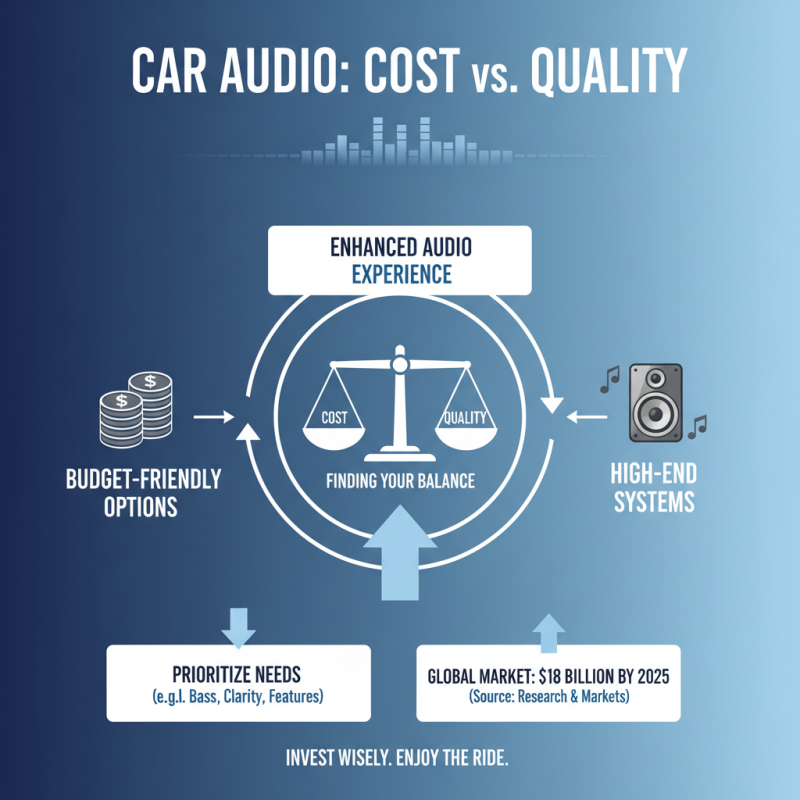
When considering the installation of a car sound system, one of the foremost considerations is finding the balance between cost and quality. A report from Research and Markets indicates that the global car audio market is projected to reach approximately $18 billion by 2025, reflecting an increasing consumer investment in enhanced audio experiences. However, with numerous options available ranging from budget-friendly to high-end systems, it is crucial for consumers to identify their priorities, especially in relation to their budget constraints.
Data analysis reveals that many drivers opt for mid-range systems, typically costing between $300 to $800, as these often provide a significant improvement over factory-installed speakers without breaking the bank. Features such as quality amplifiers, subwoofers, and versatile connectivity options can elevate sound performance. According to the Consumer Electronics Association, about 65% of car owners report satisfaction with their audio system when they invest at least 20% of their vehicle's value into upgrades. Therefore, understanding how much to allocate from your budget can make a sizeable difference in overall audio satisfaction and quality for your driving experience.