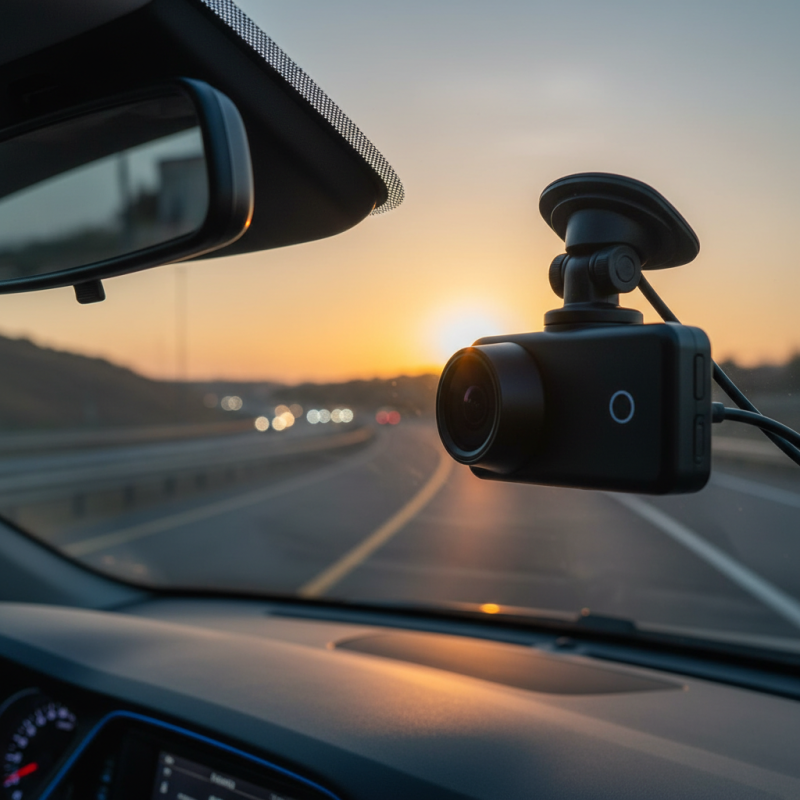
How to Choose the Best Dashboard Camera for Your Needs?
When it comes to choosing a Dashboard Camera, the options can feel overwhelming. These devices offer crucial benefits for drivers. They capture everything on the road, providing protection and evidence in case of accidents. But selecting the right camera is not straightforward.
Different models vary in features and quality. Some offer high-definition video, while others come with advanced safety features like collision warnings. Understanding your specific needs is essential. Are you looking for merely basic footage, or do you want a camera with GPS tracking?
Consider factors such as night vision, ease of installation, and additional functionalities. Reflect on how often you drive at night or in busy areas. This knowledge will guide you toward a camera that truly fits your lifestyle. Investing in a Dashboard Camera can be smart, but you must choose wisely to ensure it meets your requirements.
Understanding the Importance of a Dashboard Camera
A dashboard camera plays a crucial role in modern driving. It provides a reliable record of events on the road. This can be invaluable during disputes or accidents. A clear video can provide evidence that helps clarify situations. Understanding its importance could save you from potential legal headaches.
When selecting a dashboard camera, consider your needs. Look for features like high resolution and wide-angle lenses. They capture more details and provide a broader view. Night vision is another essential feature. Many accidents happen in low light; clear footage can make a difference.
Tips:
Prioritize ease of use. A complicated interface can lead to missed recordings.
Evaluate storage options too. Cameras with expandable storage offer more flexibility.
Regularly check your camera's functionality. A malfunctioning device can lead to missed opportunities for evidence. Always ensure your camera is charged and ready.
Key Features to Consider When Buying a Dashboard Camera
When selecting a dashboard camera, it’s vital to focus on essential features. The quality of video resolution is one of the primary factors. A 1080p resolution is generally standard, but 4K recording is becoming increasingly popular. According to a recent market analysis, nearly 40% of users prefer 4K for its clarity. However, many budget models still offer decent 720p quality, which may suffice for casual use.
Another key feature is the field of view. A camera with a wide-angle lens, ideally between 120 and 170 degrees, captures more of the surroundings. This can be crucial during accidents, as it provides more context. It's important to note that a broader view can sometimes lead to edge distortion. Additionally, consider the low-light performance of the camera, especially for nighttime driving. Approximately 30% of accidents occur in low-light conditions, making it vital to select a model that excels in these environments.
Storage capacity also deserves attention. Many cameras use microSD cards, with options ranging from 32GB to 256GB. Larger storage allows for longer recording times, but ensure the camera supports the chosen size. Some models loop-record, overwriting the oldest footage. However, this feature may lead to losing vital evidence if not managed properly. It’s crucial to regularly transfer files and maintain adequate space for important recordings.
Types of Dashboard Cameras: Which One is Right for You?
When selecting a dashboard camera, understanding the different types is crucial. There are basic dash cams, which focus on recording video while driving. They typically feature a wide-angle lens and decent resolution. However, these models may lack advanced features like GPS or Wi-Fi connectivity. Consider how often you'll use the camera and under what conditions. A basic model may suffice for casual drivers.
For those needing extra functionality, there are advanced options. Dual-channel cameras record both front and rear views. This can be valuable in the event of an accident. Additionally, some high-end models offer features like parking mode and collision detection. These cameras can be more complex and may require technical know-how for setup. It’s essential to assess your comfort level with technology when choosing a model.
Ultimately, think about what you truly need in a dashboard camera. Will you prioritize video quality or advanced features? Reflect on your driving habits and environments. Choosing the right dash cam should align with your needs and experiences on the road. Don’t overlook the importance of user reviews and expert recommendations. This can guide you to a reliable and effective dash camera.
Comparison of Dashboard Camera Features
This chart illustrates the importance level of various features to consider when choosing a dashboard camera. A higher value indicates a more critical feature for users looking for optimal performance and safety while driving.
Comparing Prices and Brands for the Best Value
When selecting a dashboard camera, price and brand comparison is essential. Many options exist, each varying in features and costs. A mid-range camera might offer basic recording, while high-end models include advanced functionality. These extras can enhance your experience but may not be necessary for everyone.
Look for cameras with clear footage quality. Ensure that the price aligns with the features offered. Oftentimes, cheaper models sacrifice quality for cost. However, premium brands also charge for features that aren’t crucial. Take time to read user reviews to gauge reliability and performance. It’s wise to check forums for honest feedback, revealing potential pitfalls in certain models.
Consider your specific needs before making a purchase. Do you need a wide-angle lens? How about night vision? Reflect on your driving habits and environments. This step can save money and ensure you invest in a camera that truly meets your requirements. Remember, spending less doesn't always equate to better value.
Installation and Maintenance Tips for Your Dashboard Camera
When it comes to installing and maintaining your dashboard camera, attention to detail is critical. Studies indicate that up to 90% of accidents have some form of video evidence. To ensure your camera captures crucial moments, proper placement is vital. Mount the camera behind the rearview mirror. This position minimizes obstructions and provides an optimal view. Always ensure that the lens is clean. Dirt and smudges can greatly affect video quality.
Regular maintenance is equally important. Check the camera settings monthly to ensure they are optimal. For instance, some cameras allow you to adjust the frame rate. Choosing a higher frame rate can be beneficial for fast-moving situations. Additionally, remember that storage capacity impacts recording time. Many professionals recommend replacing memory cards every year to avoid data loss.
Lastly, consider the camera’s firmware updates. Manufacturers often release updates that enhance features or fix bugs. While these updates may seem trivial, they can greatly improve performance. Neglecting updates could leave your camera vulnerable to operational issues. Balancing installation and maintenance is essential for reliable performance. Taking the time to understand these aspects can save you from future headaches.