How to Choose the Best Car Audio Component Speakers for Your Vehicle?
Choosing the right car audio component speakers can significantly enhance your driving experience. The right speakers can transform ordinary sounds into a rich auditory experience. With so many options on the market, making a decision may seem overwhelming. Understanding your vehicle's acoustic environment is crucial. Different vehicles have various dimensions and sound qualities, which affect speaker performance.
Consider the specifications that matter most. Look for power handling, frequency response, and sensitivity ratings. These metrics will indicate how speakers perform. It’s also wise to think about your listening preferences. Do you enjoy deep bass, or do you prefer balanced mids and highs? Comfortability with your choice is essential for long-term satisfaction.
Remember, not all car audio component speakers are equal. Some may offer impressive features but lack reliability. Investing in reputable brands can save you from future headaches. Research and reviews from users can provide insight. Ultimately, choose speakers that align with your audio needs and enhance your journey. Reflect on this choice, as it plays a crucial role in your daily drives.
Understanding Car Audio Component Speakers and Their Benefits
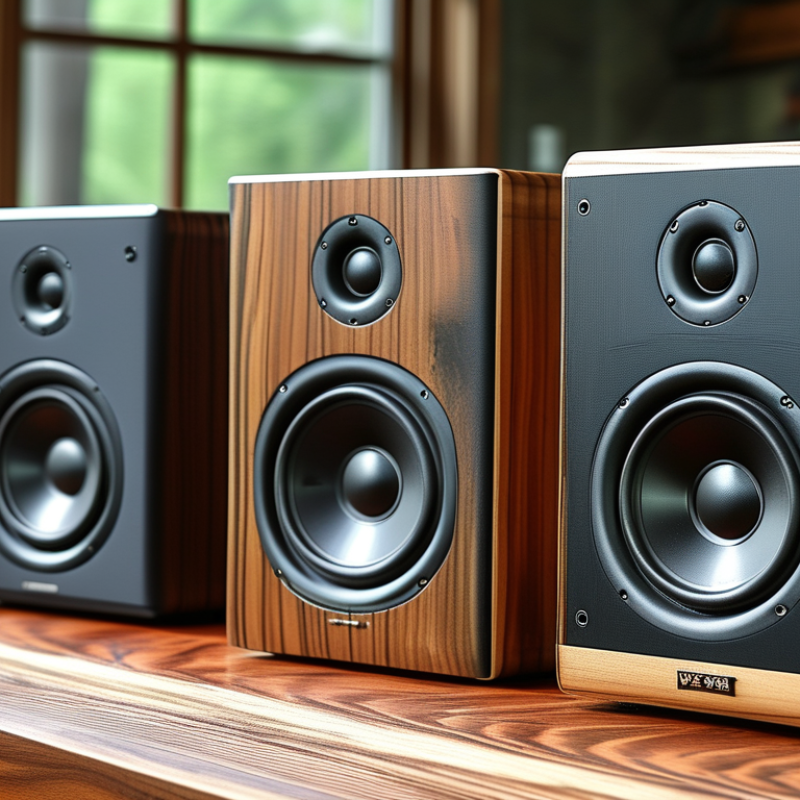
Car audio component speakers play a crucial role in enhancing your driving experience. These speakers consist of separate woofer and tweeter units. This design allows for clearer sound reproduction and better frequency separation. According to a study by the Consumer Electronics Association, high-quality audio can improve driver alertness and create a more enjoyable atmosphere.
When choosing component speakers, consider the power rating. Speakers with higher power handling can produce sound at greater volumes without distortion. Additionally, the size of the speakers matters. Larger woofers provide deeper bass, while tweeters deliver crisp high frequencies. Pay attention to installation options too; some require a bit of modification to your vehicle.
Tips: Always check the sensitivity rating. A higher sensitivity rating means the speaker can produce more sound with less power. Think about your music preferences, too. Some speakers excel at rock and electronic music, while others may cater to jazz or classical sounds. Don’t forget to test the sound quality in-store if possible.
Trust your ears. What sounds good to you is what truly matters.
Key Factors to Consider When Choosing Car Audio Component Speakers
Choosing the right car audio component speakers involves key factors that can enhance your listening experience. First, consider speaker size. Larger speakers generally produce deeper bass but may require more space. According to industry studies, a well-installed six-and-a-half-inch speaker can deliver frequencies as low as 40 Hz. This can significantly change how you perceive music in your vehicle.
Next, look into speaker sensitivity. This metric indicates how much sound output you can expect from your speakers, given a certain power level. Speakers with a higher sensitivity rating (over 90 dB) usually require less power to achieve louder volumes. This data suggests better amplifier compatibility, ensuring your system performs efficiently.
Tips: Test speakers in person whenever possible. Listen for clarity and balance across all frequencies. Don’t overlook the installation process; poor installation can diminish sound quality. Also, consider your music preferences. Different genres may require distinct speaker characteristics for optimal performance. Investing time in research can save money in the long run. Disregarding these factors can lead to disappointment or subpar audio performance. Always aim for an informed decision to enjoy a truly immersive sound experience.
Different Types of Car Audio Component Speakers Explained
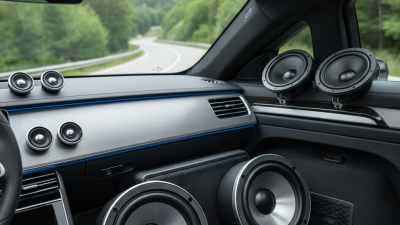
When choosing car audio component speakers, understanding their types is crucial. Component speakers typically consist of separate drivers, including woofers, tweeters, and crossovers. This setup allows for a more tailored sound experience. Users can place the woofer in the door and the tweeter on the dashboard for optimal sound staging.
There are two main types of component speakers: full-range and component systems. Full-range speakers combine all elements into one unit, which is convenient but often sacrifices sound quality. Component systems, on the other hand, offer superior sound due to their separate drivers. They provide clarity and depth, particularly in higher frequencies.
Installation can be a challenge with component systems. They require careful positioning for the best performance. It's worth noting that not every vehicle accommodates larger woofers well. Consider the size of your vehicle's doors and available space before purchase. Analyzing your listening preferences is essential too. Do you prioritize bass or high-frequency clarity? Reflecting on these details can lead you to the best choice for your needs.
Installation Tips for Car Audio Component Speakers in Your Vehicle
When installing car audio component speakers, preparation is key. Start by gathering all necessary tools and materials. A wiring harness, mounting brackets, and sound deadening material can improve installation quality. Ensure that the speakers fit your vehicle's specifications to avoid complications.
Carefully remove the factory speakers. Use a trim removal tool to avoid damaging your car's interior. Keep track of screws and clips; losing them can complicate reassembly. After wiring the new speakers, secure them tightly. A loose speaker can cause rattling sounds, ruining your listening experience.
Pay attention to the placement of the crossover networks. These components direct frequencies to the appropriate speakers. They should be mounted securely, but not in a location where they can be damaged. It’s wise to test the sound before sealing everything up. Listening for any distortion can save you from future frustration.
How to Choose the Best Car Audio Component Speakers for Your Vehicle? - Installation Tips for Car Audio Component Speakers in Your Vehicle
| Specification |
Details |
| Speaker Size |
6.5 inches, 6x9 inches |
| Power Handling |
50 - 100 watts RMS |
| Sensitivity |
85 - 95 dB |
| Frequency Response |
60 Hz - 20 kHz |
| Impedance |
4 ohms or 8 ohms |
| Mounting Depth |
2.5 - 3.5 inches |
| Material |
Polypropylene cone, Steel or Aluminum frame |
| Crossover Type |
Passive crossover |
| Installation Tips |
Proper wiring, secure mounting, tuning |
Top Brands and Models for Car Audio Component Speakers in 2023
When selecting car audio component speakers, quality and brand reputation are crucial. According to industry studies, around 70% of car audio enthusiasts consider sound clarity and build quality as top priorities. Popular speaker brands typically focus on using advanced materials and engineering techniques. But not all options on the market meet the same standards.
Recent reports indicate that models featuring innovative tweeters and sturdy woofers are gaining traction in 2023. Many consumers prefer speakers with a frequency response range between 20Hz and 20kHz, which covers the full spectrum of audible sound. This range ensures a balanced listening experience, from deep bass to crisp treble. However, it's essential to avoid models claiming to offer high fidelity without proper specifications.
Despite advancements, users often face challenges. Some speakers may not fit well in all vehicles, leading to unwanted vibrations. Additionally, distinguishing between true audiophile-grade speakers and merely good marketing can be tough. Ensuring compatibility with the car’s audio system adds another layer of complexity. Many users recommend testing speakers before installation. This allows for a direct comparison of sound quality and performance in real-world scenarios.
Best Car Audio Component Speakers - 2023