How to Choose the Best Car Audio System in 2026?
Choosing the right car audio system is crucial for any car enthusiast in 2026. According to a recent industry report by Markets and Markets, the global car audio market is projected to reach $12.7 billion by 2026, reflecting a growing demand for high-quality sound experiences. Car manufacturers and consumers are increasingly prioritizing audio performance, indicating a shift towards advanced technology in vehicle sound systems.
The best car audio systems now incorporate features such as Bluetooth connectivity, smartphone integration, and superior sound processing capabilities. A recent survey highlighted that 78% of consumers consider sound quality a top factor in their vehicle purchase decisions. However, many users often overlook compatibility. Selecting a car audio system means understanding your needs, vehicle space, and preferences in sound quality.
As new technologies emerge, the landscape becomes crowded. Some systems promise great features but may sacrifice reliability. Consumers should research brands and user reviews to avoid common pitfalls. With so many choices, it's essential to make informed decisions and reflect on which features truly enhance your driving experience.
Understanding Your Listening Preferences for Car Audio Systems
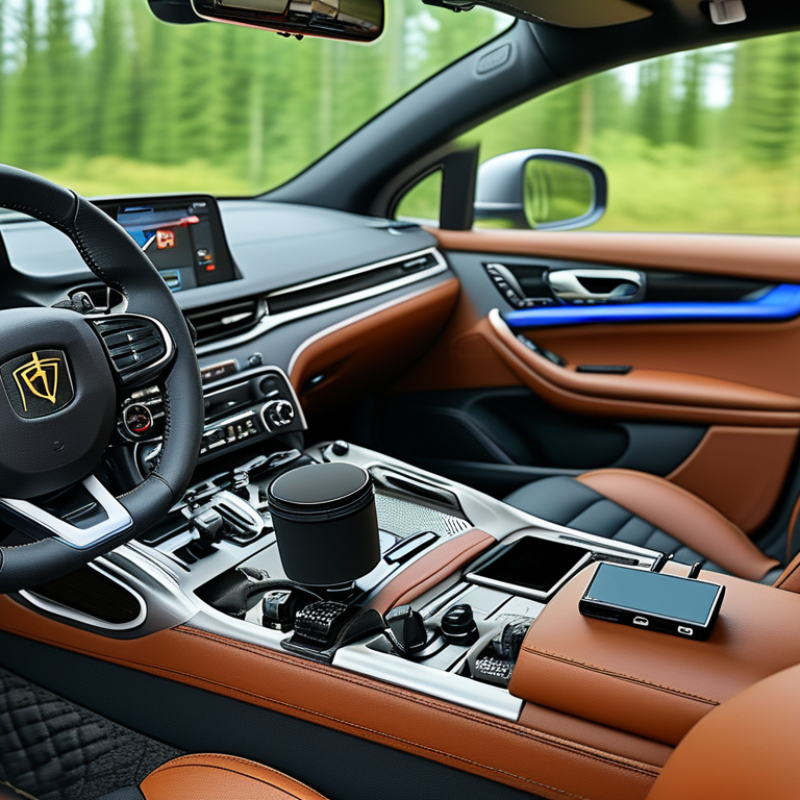
Choosing the best car audio system starts with understanding your listening preferences. Think about the genres you love, the depth of bass you crave, and the acoustic clarity you appreciate. Research shows that 70% of consumers prioritize sound quality over other features. This makes it essential to assess how different systems perform with various music styles.
Most modern audio systems offer a range of customization options. This allows you to tweak settings for optimal performance. Some users find it overwhelming, feeling uncertain about which adjustments improve their experience. It’s often recommended to test equipment with familiar tracks to determine what resonates with you. According to industry reports, personalized setups can enhance satisfaction by 60%.
Consider your typical driving environment. If you frequently navigate noisy streets, you might prefer systems with better noise isolation. Reviews suggest that systems with advanced noise-cancellation technology can deliver a richer sound experience in such conditions. The right audio system should align with your unique tastes and the acoustics of your vehicle. Don't shy away from asking for expert advice or demos.
Evaluating Key Features of Modern Car Audio Systems
When choosing a car audio system in 2026, several key features stand out. Sound quality is paramount. Look for systems with high-resolution audio support. This ensures clarity across all frequencies, from deep bass to crisp highs. Don’t overlook the importance of customizable equalizers. Tailoring sound profiles to personal preference enhances the listening experience significantly.
Connectivity options are vital too. Bluetooth and Wi-Fi capabilities allow for seamless integration with smartphones. Wireless options reduce clutter, but wired connections can offer improved sound quality. Compatibility with various digital assistants can simplify access to music and navigation.
Lastly, consider the user interface. A clear display and intuitive controls are essential for safety and ease of use. Many systems now feature touchscreens, but responsiveness can vary. Testing these systems in-store is advisable. Features like voice commands can also distract if not designed well. Balancing functionality with safety is critical in your choice. Reflecting on these aspects can lead to a rewarding audio experience in your vehicle.
Comparing Types of Car Audio Equipment and Components
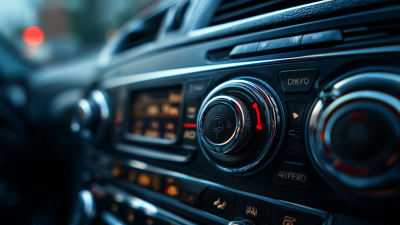
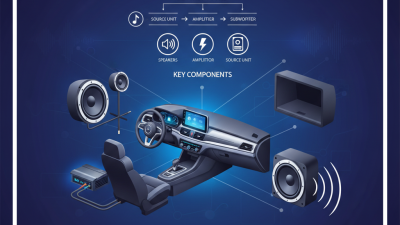
Choosing the right car audio system is important for enhancing your driving experience. When comparing types of car audio equipment, start with the head unit. This component controls everything. Look for features like Bluetooth connectivity, touchscreen interfaces, and compatibility with streaming services.
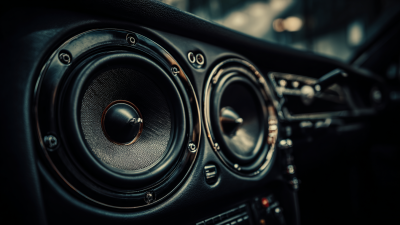
Next, consider the speakers. Separate components like woofers, tweeters, and subwoofers have distinct roles. Woofers handle low frequencies, while tweeters deliver high tones. It's vital to match speakers with the power of your head unit. Listen to various setups in-store if possible; trust your ears.
Remember, installation can make or break your system's performance. Professional help is often worth the investment. DIY installations might lead to issues like poor sound quality. Here’s a tip: always prioritize sound quality over flashy features. Quality components ensure a better listening experience. Make adjustments based on your personal preferences. Your ideal sound may require some experimentation.
Comparison of Car Audio System Components in 2026
Budgeting for a Quality Car Audio System Purchase
Budgeting for a quality car audio system is essential. Recent industry data shows that consumers often underestimate these costs. Based on a report from the Consumer Electronics Association, 46% of users expect to spend less than $500, but quality systems can exceed this amount. A good system typically costs between $800 to $1,500 when considering speakers, subs, and amplifiers.
When planning your budget, remember to factor in installation costs. Many users overlook this aspect, leading to a surprising total expenditure. Installation can range from $100 to $500 depending on the complexity. Consider the total investment and ensure your budget reflects this.
Tips: Research average prices in your area. Keep an eye on seasonal sales. Look for package deals to save money. You might think you can DIY, but professional installation often ensures better sound and less hassle. A well-planned investment upfront can lead to a more satisfying long-term audio experience.
Installation and Maintenance Tips for Optimal Performance
When it comes to car audio systems, installation is crucial. Proper installation ensures that the components function optimally. Miswiring can lead to poor sound quality or even damage. Take time to research the specific wiring requirements for your system. Refer to manuals and online resources for guidance. Using quality connectors and cables can make a significant difference in performance.
Maintaining your audio system is often overlooked but equally important. Regularly check connections for wear and tear. Dust and moisture can degrade sound quality over time. Clean the components gently using a soft cloth. Be cautious with liquids; they can cause irreparable damage. Also, listening at moderate volumes can prolong the life of your speakers while providing an enjoyable experience.
Don’t hesitate to seek professional help if needed. Experience can vary widely among enthusiasts. Even seasoned DIYers can run into challenges. Sometimes, a fresh pair of eyes can spot issues you might miss. Strive for a balance between personal effort and professional expertise for the best possible outcome.
How to Choose the Best Car Audio System in 2026? - Installation and Maintenance Tips for Optimal Performance
| Feature |
Description |
Importance |
| Sound Quality |
High-fidelity audio reproduction, clarity, and bass response |
Essential for an immersive auditory experience |
| Power Output |
Measured in watts, higher output supports bigger speakers |
Important for avoiding distortion at high volume |
| Compatibility |
Ability to connect with various devices like smartphones |
Crucial for modern connectivity options |
| Ease of Installation |
User-friendly setup process, plug-and-play features |
Saves time and cost on installation |
| Durability |
Resilience against environmental factors and wear |
Important for long-term performance |
| Price |
Cost-effective options versus premium features |
Balancing budget with desired features |
| Brand Reputation |
Feedback and reviews from previous customers |
Influences trust and quality expectations |
| Maintenance |
Routine upkeep needed for longevity |
Essential for sustained optimal performance |