How to Choose the Best Headrest Booster Seat for Safety?
Choosing the right Headrest Booster Seat is crucial for your child's safety. Many parents face challenges in selecting the best option. The market is filled with various models, each claiming to provide ultimate protection. Research has shown that a well-fitted booster seat can significantly reduce the risk of injury during a car crash.
Safety features vary widely. Some seats have additional padding, while others focus on structural integrity. It’s vital to consider not only the certifications but the usability and comfort of the Headrest Booster Seat. Children should feel secure and comfortable to encourage proper use. Reliable reviews from other parents can guide your decision-making process.
However, finding the perfect seat can be daunting. Mistakes can happen, like choosing a seat that doesn't fit your car or your child's height and weight. Take the time to reflect on your needs and do not rush this important choice. Through thoughtful research and consideration, you can select a Headrest Booster Seat that enhances safety for your little one.
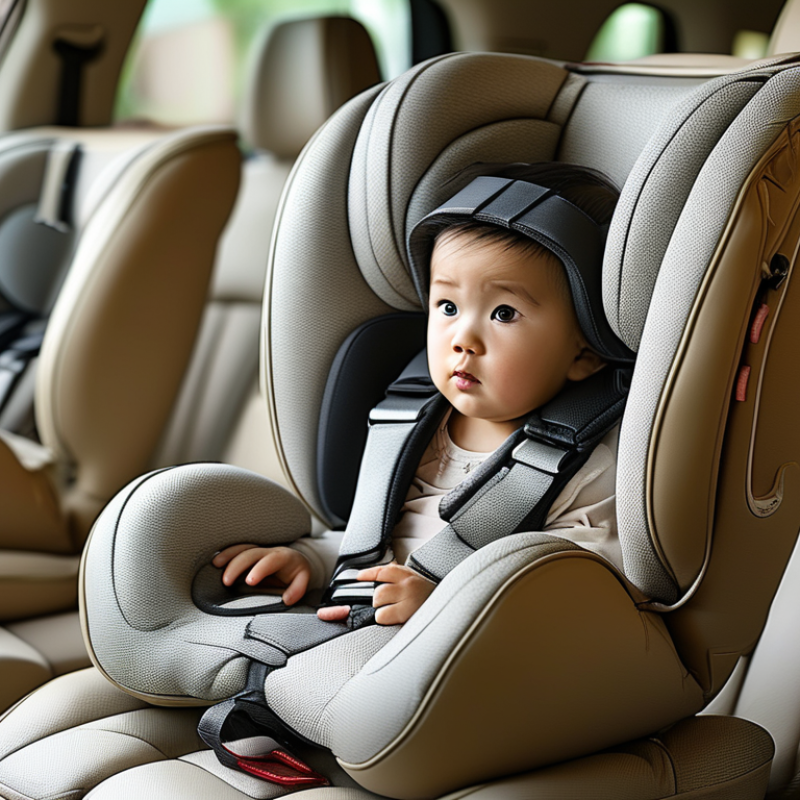
Understanding the Importance of Headrest Booster Seats for Child Safety
Choosing the right headrest booster seat is crucial for child safety. Data from the NHTSA reveals that using a booster seat reduces the risk of injury by 45% for children aged 4 to 8. Headrest booster seats support the child's head and neck, giving extra protection during a crash. Well-fitted seats prevent the child from moving excessively, which is essential for their safety.
Proper headrest placement is vital. The headrest should sit at or above the child's ear level. An ill-fitted seat can cause injury during sudden stops. An alarming statistic shows that around 75% of parents misuse car seats, highlighting the need for education on proper installation. Regular checks can help ensure the seat remains appropriate as the child grows.
Understanding how these safety features work can be overwhelming. Many parents overlook adjusting the headrest properly. It's not just about having a booster seat; it's about how effectively it provides safety. Parents should take time to learn about these crucial details. Reflecting on past experiences can help improve future choices for child safety.
Key Safety Features to Look for in a Booster Seat
When selecting a headrest booster seat, prioritize safety features that ensure your child's protection. According to the National Highway Traffic Safety Administration (NHTSA), proper use of booster seats can reduce the risk of injury by 45%. Look for an adjustable headrest that allows the seat to grow with your child. An optimal fit helps in distributing crash forces more evenly across the body.
Pay attention to the harness system. Choose a model with a five-point harness rather than a vehicle seat belt alone. A study from the Insurance Institute for Highway Safety (IIHS) shows that five-point harnesses provide better safety for younger children. Safety indicators, such as side-impact protection, enhance overall security. A seat that meets or exceeds federal safety standards adds an extra layer of reliability.
Tip: Regularly check that the seat is properly installed. An incorrectly positioned booster seat can compromise safety.
Another crucial feature is the seat's compatibility with your vehicle. Not all booster seats fit every car model securely. A snug fit minimizes movement and enhances protection during an accident. Review user manuals for best practices in installation.
Tip: Test the booster seat with your child. Ensure they are comfortable and secure before any long trip.
Comparing Different Types of Headrest Booster Seats
When selecting a headrest booster seat, it is crucial to understand the different types available. High-back booster seats offer head and neck support, making them ideal for younger children. They often feature adjustable headrests, allowing for a customized fit. This type of seat can provide extra protection during side-impact collisions.
In contrast, backless booster seats are more portable. They are light and easy to move between vehicles. However, their lack of a backrest means they may not offer the same level of safety as high-back options. Parents should consider the height and weight of their child when choosing between these options.
Assessing the installation process is equally important. Some booster seats are easier to install than others. A secure fit helps ensure maximum protection. Parents might encounter difficulties when trying to achieve a perfect fit. Research and read reviews to better understand installation challenges. Each option has its advantages and disadvantages. Choosing the right seat requires careful consideration and attention to detail.
Installation Guidelines for Optimal Safety of Booster Seats
Installing a booster seat correctly is crucial for your child's safety. Improper installation can lead to serious injuries during a car accident. Begin by reading the manufacturer’s instructions. Familiarize yourself with your vehicle’s seat belt system. This knowledge is essential in ensuring a secure fit.
Tips: Always check that the booster seat is appropriate for your child’s weight and height. A seat that’s too big or small can pose risks. Additionally, make sure that the seat belt fits snugly across your child's shoulder and lap, without any twists.
Double-check the installation after every trip. Booster seats can shift over time. Ensure that it remains stable by giving it a firm tug. Establishing a routine helps keep safety in mind. Remember, your child might be uncomfortable or not sit properly. This can impact their safety. Encourage them to sit straight without distractions during travel.
Reviewing Top Brands and Models of Headrest Booster Seats
Choosing the right headrest booster seat can be daunting. Many options promise safety and comfort. However, it’s essential to focus on features that matter most. Look for a seat with adjustable headrest positions. This ensures proper fit as your child grows. Comfort is vital too. Padding should be adequate, allowing for long trips without irritation.
When reviewing different brands, check for safety ratings. Various independent organizations test booster seats. Measured crash test performance can guide your selection. A model may have impressive features but lack proper safety results. Additionally, user reviews can provide insights. Parents often share experiences that highlight both positives and negatives.
Consider the weight limits as well. Some models accommodate larger children longer than others. Adjustability in harness systems is also crucial. A perfect fit promotes safety. However, some parents struggle with proper installation. Installation ease impacts overall safety. A seat that is difficult to install may not provide the best protection. So, do thorough research and seek advice from trusted sources.