How to Choose the Best PMSM Motor for Electric Vehicles?
Choosing the right PMSM motor for EV applications is crucial. This decision impacts performance, efficiency, and overall vehicle range. With the rise of electric vehicles, the demand for reliable Permanent Magnet Synchronous Motors (PMSM) has increased. Understanding the nuances of these motors is essential for manufacturers and consumers alike.
Factors like power density, torque characteristics, and thermal management play significant roles in selection. A motor that excels in one area may not perform well in another. For instance, a high power-to-weight ratio is desirable, but thermal stability cannot be overlooked. Balancing these aspects often becomes a challenge.
It’s important to acknowledge that not all PMSM motors are created equal. Some may boast high efficiency but lack durability. Others may offer great performance but be too costly. This complexity requires careful consideration. Engaging with experts in the field can provide deeper insights. As the market evolves, staying updated with technology trends is essential for making informed decisions.
Understanding Permanent Magnet Synchronous Motors (PMSM) for EVs
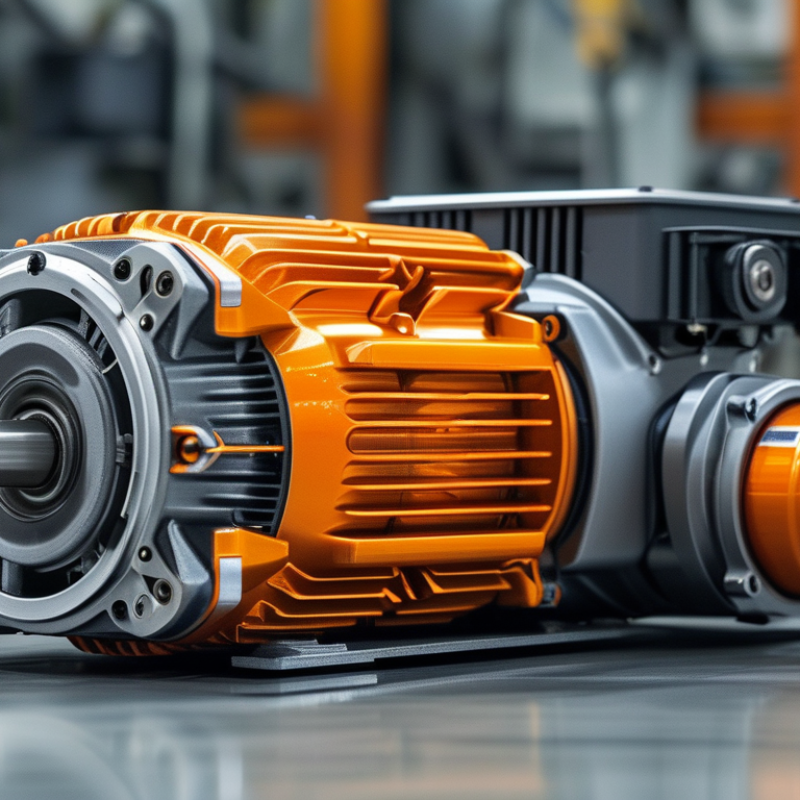
When considering permanent magnet synchronous motors (PMSM) for electric vehicles (EVs), it's essential to understand their working principle. PMSMs utilize permanent magnets in their rotor, generating a magnetic field that interacts with the stator windings. This interaction results in efficient torque production, making them ideal for EV applications. The efficiency of these motors often surpasses that of traditional induction motors, enhancing the overall performance of an electric vehicle.
PMSMs also offer unique advantages, such as compact size and high power density. Their weight-to-performance ratio can significantly improve an EV's range. However, potential challenges exist. The cost of materials, particularly rare earth magnets, can impact production expenses. Furthermore, issues like thermal management and control strategies can affect their reliability. Assessing these factors is crucial when selecting the optimal motor for specific EV applications.
Industry experts often highlight the importance of considering the vehicle's design and intended use. For example, a city-oriented EV may prioritize efficiency, while a performance vehicle might focus on power output. Trade-offs are common. Striking a balance between performance, cost, and sustainability is vital. Therefore, a thorough evaluation of motor specifications and performance metrics is necessary for informed decision-making.
Key Performance Metrics to Consider in PMSM Selection
When choosing a Permanent Magnet Synchronous Motor (PMSM) for electric vehicles, understanding key performance metrics is crucial. One vital metric is efficiency. A motor with higher efficiency translates to better energy usage and longer ranges for vehicles. Look for motor ratings above 90%. This factor significantly impacts battery consumption and overall performance.
Another important aspect is torque density. A motor that provides high torque in a compact size can enhance vehicle acceleration. This trait directly influences how swiftly the vehicle can respond in various driving conditions. Aim for motors with a high torque-to-weight ratio to achieve optimal performance.
Thermal management is also a critical consideration. PMSMs generate heat, and effective cooling solutions are essential. Motors with integrated cooling systems can operate efficiently at higher loads. Poor thermal design might lead to reduced lifespan and performance loss. Look for motors with well-tested thermal characteristics to ensure reliability and durability under various operational scenarios.
Comparative Analysis of PMSM Types: Surface vs. Interior Permanent Magnet
When choosing a Permanent Magnet Synchronous Motor (PMSM) for electric vehicles, understanding the differences between surface and interior permanent magnets is crucial. Surface-mounted magnets are typically easier to manufacture, offering a simpler rotor design. They provide high torque but may suffer from limitations in torque control at high speeds.
On the other hand, interior permanent magnet motors hide magnets within the rotor. This design leads to better thermal performance and potentially higher power density. They often exhibit better efficiency in various operating conditions. However, they are more complex to manufacture and can be costlier. Balancing performance with manufacturing complexity is key.
Both types have their merits and drawbacks. They may not be universally suitable for all applications. Surface-mounted types might excel in compact vehicles, while interior types could serve heavy-duty applications better. Evaluating specific use cases is necessary. Each option requires careful consideration of factors like cost, performance needs, and space constraints. Ultimately, understanding these nuances can guide developers in selecting the optimal PMSM for their electric vehicle project.
Evaluating Efficiency and Thermal Management in PMSM Applications
Choosing the right Permanent Magnet Synchronous Motor (PMSM) for electric vehicles is crucial. One key factor to consider is efficiency. Efficient motors convert more electrical energy into mechanical power, reducing energy loss. This can significantly enhance the vehicle's range. Evaluate the motor’s efficiency ratings and compare options before making a decision.
Thermal management is another essential aspect. High-performance PMSMs generate heat during operation. If not properly managed, this heat can reduce efficiency and lifespan. Effective cooling systems can help maintain optimal operating temperatures, ensuring the motor performs reliably over time. Look for designs that incorporate advanced cooling solutions.
Tips: Monitor thermal performance regularly. This can prevent overheating issues. Also, consider the motor's placement within the vehicle for optimal airflow. Choosing a motor with integrated thermal sensors may provide real-time data for better management. It's important to reflect on the balance between performance and thermal needs. Not every motor excels in both efficiency and thermal management; make your choice based on your specific requirements and vehicle design.
Market Trends and Innovations in PMSM Technology for Electric Vehicles
The electric vehicle (EV) landscape is rapidly evolving, driven by advancements in Permanent Magnet Synchronous Motor (PMSM) technology. These motors offer high efficiency and compact design, making them a preferred choice for EV manufacturers. One recent trend is the development of high-density magnets, which enhances performance while minimizing weight. Reducing the size of the motors leads to more room for batteries and other components.
Another innovation is the integration of smart technologies in PMSMs. This includes sensors that monitor temperature, speed, and health of the motor. These upgrades allow for better performance optimization. However, as sophisticated as these technologies get, they can also raise concerns regarding reliability and maintenance. The need for advanced cooling systems becomes more critical. Not every EV manufacturer is equipped to handle these complexities.
Customization is also gaining traction. Companies are now looking for motors tailored to specific applications. This pursuit can lead to over-engineering for certain models. It's crucial to balance performance with cost-effectiveness in such endeavors. Each innovation brings its share of challenges, urging manufacturers to continually evaluate their approach to sourcing and integrating PMSMs into their production lines.
How to Choose the Best PMSM Motor for Electric Vehicles?
| Criteria | Importance Level | Current Market Trends | Innovations in PMSM Technology |
| Efficiency | High | Growing demand for high-efficiency motors | Development of optimized rotor designs |
| Cost | Medium | Competitive pricing with alternative motor types | Economies of scale leading to reduced costs |
| Weight/Size | High | Demand for lightweight and compact designs | Integration of high-density materials |
| Torque Density | High | Increased requirements for torque in EV applications | Advancements in magnetic materials for higher density |
| Cooling Systems | Medium | Exploring various cooling techniques | Innovations in cooling technologies for motors |