How to Choose the Right Driveshaft Center Support Bearing?
Choosing the right Driveshaft Center Support Bearing can significantly impact your vehicle's performance. This component plays a crucial role in supporting the driveshaft, ensuring smooth power transmission. An improperly chosen bearing may cause vibrations and early wear, leading to costly repairs.
When selecting a Driveshaft Center Support Bearing, consider factors like size, material, and load capacity. Each vehicle has specific requirements, so pay attention to manufacturer specifications. Make sure to evaluate your driving conditions as well. Heavy-duty applications may require more robust bearings.
Don't overlook the importance of reliability. A well-selected Driveshaft Center Support Bearing can enhance longevity and improve efficiency. However, make sure to consult experienced mechanics or product experts for guidance. Also, be open to assessing the options available in the market. A vigilant approach here can save you time and money down the road.
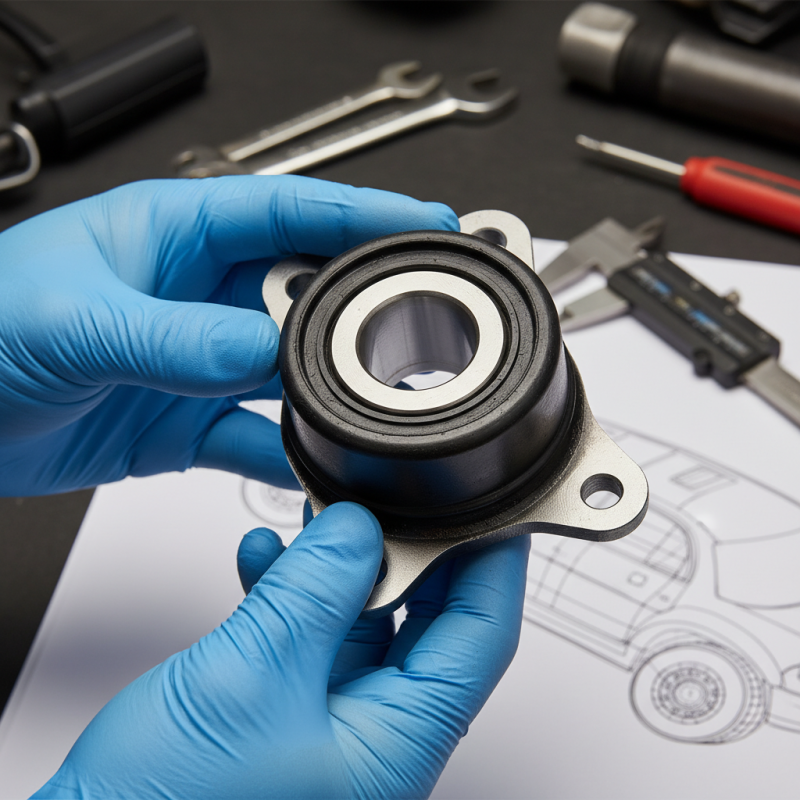
Understanding the Role of Driveshaft Center Support Bearings
Driveshaft center support bearings play a vital role in a vehicle's drivetrain system. They provide support for the driveshaft, ensuring smooth rotation and reducing vibrations. This component connects the driveshaft to the vehicle's frame, allowing for flexibility and alignment. When the support bearing fails, it can lead to severe vibrations and even damage to other drivetrain components. Recognizing the signs of wear is crucial for vehicle maintenance.
Selecting the right center support bearing involves understanding its specifications. Factors like load capacity, material quality, and size matter greatly. Improper choices can result in quick wear or failure. It’s essential to consult a knowledgeable mechanic or technician who can help analyze the vehicle’s needs. Some mechanics might overlook this step, thinking any bearing will do. This can lead to costly repairs down the line.
Knowing when to replace your driveshaft center support bearing is equally important. Symptoms like unusual noises or excessive vibration should not be ignored. Over time, reliable components wear out, and reflection on past choices is necessary. Regular inspection can prevent future issues, maintaining vehicle performance and safety. Staying informed can save time, money, and stress.
Identifying Signs of Worn or Damaged Support Bearings
When it comes to driveshaft center support bearings, you need to recognize the signs of wear or damage. Common indicators include unusual vibrations during driving. These vibrations can lead to further damage, so addressing them promptly is essential. A loud clunking noise when shifting gears is another warning sign. If you hear this, it may be time for a thorough check.
Pay attention to any noticeable misalignment. This can result in uneven wear. Be wary if you see visible cracks or breaks. These are clear signs that your support bearing may need replacement. Additionally, inspect for oil leaks, which could suggest a failing bearing seal.
Tips: Regular inspections can help you catch early signs of wear. Consider having a professional evaluate your bearings if you’re unsure. Document any unusual noises or vibrations; this can assist mechanics in diagnosing the issue. Trust your instincts—if something feels off, it probably is.
Factors to Consider When Selecting a Driveshaft Support Bearing
When selecting a driveshaft center support bearing, various factors play a crucial role in making the right choice. The bearing's material and design significantly influence performance. Typically, steel and composite materials are common. Steel offers durability but can be heavy. In contrast, composites reduce weight but might wear out faster under extreme conditions.
Vibration damping is another critical consideration. Effective bearing configurations minimize vibrations, which can lead to premature wear. According to industry reports, improper support bearings contribute to up to 15% of premature driveshaft failures. This insight emphasizes the necessity of choosing the right bearing to enhance overall vehicle longevity.
Tips: Always assess the application of the bearing. Regular inspections can reveal wear and tear. Look for detailed specifications in services manuals. They provide insight into load ratings and temperature tolerances. Choosing a bearing with superior ratings can mitigate long-term issues.
Bear in mind that not all manufacturers follow the same quality standards. Balancing cost with reliability is vital. A cheaper option may initially seem appealing but can lead to costly replacements down the road. Being informed and vigilant when selecting a driveshaft support bearing can make all the difference in vehicle performance and lifespan.
The Importance of Material and Design in Support Bearings
Choosing the right driveshaft center support bearing is crucial for vehicle performance. The material and design of support bearings significantly influence longevity and efficiency. High-quality materials, like nylon or aluminum, offer better durability under harsh conditions. In contrast, inferior materials may fail quickly, leading to costly repairs.
Research indicates that the right bearing design can reduce vibration by 20-30%. A well-designed bearing improves drive system stability, translating into smoother rides. Many professionals recommend analyzing the bearing's load capacity, especially in heavy-duty applications. The bearing should withstand stress without compromising performance.
Tips: Regular inspections can identify wear and tear early. This proactive approach saves money. Consider manufacturers that prioritize innovative designs, as they often produce longer-lasting bearings. Remember, choosing materials based on vehicle specifications is vital. Ignoring these details may result in unexpected failures.
Installation and Maintenance Tips for Optimal Performance
When installing a driveshaft center support bearing, proper alignment is crucial. Misalignment can lead to premature wear and vibrations. Start by ensuring the bearing is securely mounted and the driveshaft is properly positioned. Use a torque wrench to tighten bolts to the manufacturer’s specifications. This attention to detail makes a significant difference.
Regular maintenance is key to optimal performance. Inspect the bearing for signs of wear, such as noise or excessive play. Greasing is essential, but it requires attention to avoid over-greasing, which can damage seals. Check the surrounding components too. Sometimes related parts wear out, affecting the bearing's performance.
Don't overlook the importance of quality. Rely on reputable sources for your components and maintenance information. Neglecting this can lead to poor choices. Knowledge is crucial when selecting parts. Respect the limits of your skills and consult professionals if needed. Balancing DIY attempts with expert advice will improve your outcomes significantly.