How to Choose the Right Electric Sensor Switch for Your Needs?
In today's tech-driven world, the demand for Electric Sensor Switches is on the rise. Recent reports indicate that the global market for electric sensors is projected to reach over $25 billion by 2027, reflecting a CAGR of 7.2%. This growth is fueled by advancements in automation and smart technology. Choosing the right Electric Sensor Switch can significantly enhance energy efficiency and improve user convenience.
However, with numerous options available, selecting the most suitable device is challenging. Factors such as application, sensitivity, and ease of installation must be considered. For example, a switch designed for high-traffic areas requires different specifications than one meant for residential use. Each choice reflects not only personal need but also technical compatibility.
It's important to reflect on the purpose of the switch as well. Users often overlook crucial features like response time and durability. Investing time in understanding these aspects can lead to more effective solutions. Balancing quality and cost is vital, as not all products deliver the promised performance. Making informed decisions can ultimately lead to greater satisfaction and efficiency in usage.
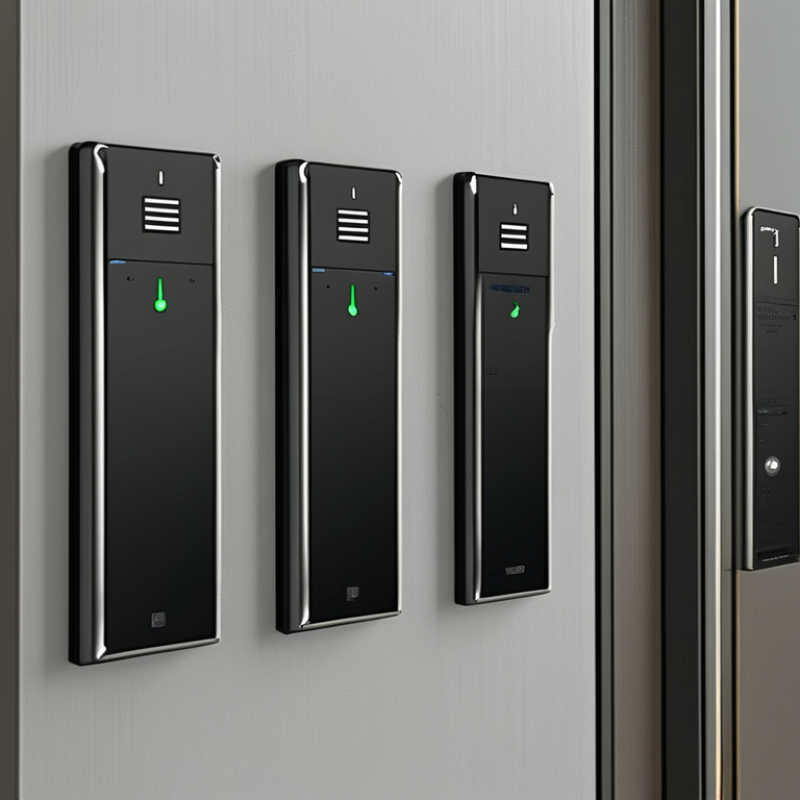
Understanding the Functionality of Electric Sensor Switches
Electric sensor switches play a crucial role in automation, energy efficiency, and safety. These devices detect changes in their environment, such as motion, light, or temperature. According to a report from MarketsandMarkets, the global market for sensor switches is expected to grow significantly, reaching USD 4.66 billion by 2025. This growth highlights their increasing importance in various applications, from lighting control to security systems.
Understanding how these sensors function is vital for making informed choices. For instance, passive infrared (PIR) sensors detect body heat, making them ideal for motion-activated lighting. In contrast, photoelectric sensors respond to light levels, suited for automatic doors. Each type serves distinct purposes and environments, which makes selecting the right one critical. A survey indicated that 75% of users experienced inefficiencies due to inappropriate sensor switches. This reveals the importance of tailoring your choice to your specific needs.
The reliability of sensor switches also depends on their installation and integration. Many users overlook installation details, leading to performance issues. Research shows that improper placement can reduce a sensor's effectiveness by up to 50%. This is an essential consideration. Experience and proper guidance can enhance functionality, ensuring optimal performance in your application.
Key Types of Electric Sensor Switches and Their Applications
When selecting electric sensor switches, understanding their types and applications is crucial. Among the key types, motion sensors are essential for security systems. They detect movement and can automatically activate lights. In fact, a recent report indicates that the global motion sensor market is expected to reach $5.9 billion by 2026, growing at a CAGR of 10.5%. This growth is driven by increased demand in smart homes.
Another common type is ambient light sensors. These switches adjust artificial lighting based on natural light availability. According to industry studies, including these sensors can save up to 30% in energy costs. This makes them ideal for both residential and commercial applications. However, these sensors might not perform well under heavy cloud cover or during twilight.
Tips: When choosing a sensor, consider the environment. Outdoor sensors should be weather-resistant. Also, assess the size of the area intended for coverage. A larger space may require multiple sensors for efficient operation. It's essential to understand that not every sensor fits all spaces, and sometimes a combination is necessary. Always analyze your specific needs carefully before making a decision.
Factors to Consider When Selecting an Electric Sensor Switch
When selecting an electric sensor switch, several factors come into play. One must consider the sensor type available. Common options include passive infrared (PIR) sensors, ultrasonic sensors, and microwave sensors. Each has its strengths. For example, PIR sensors are effective for detecting movement in enclosed spaces. In contrast, ultrasonic sensors can cover larger areas. Choosing the right type depends on your needs and the specifics of your installation.
Sensor sensitivity is another crucial factor. A high sensitivity level might be necessary for large, complex environments. According to industry reports, around 35% of users experience reduced performance with overly sensitive sensors in crowded locations. Conversely, too little sensitivity could lead to missed activations. Balancing sensitivity can optimize performance.
Tips: Look for adjustable sensitivity settings. Test the sensor in various conditions to find its sweet spot. Consider environmental factors, such as ambient temperature and obstacles that might hinder detection.
Installation location plays a significant role. Sensors must face the right direction and should have an unobstructed line of sight. Inadequate placement often leads to inconsistent performance. A survey of installations showed that up to 25% failed due to poor positioning. Analyzing the area before installation ensures reliability.
Impact of Load Ratings on Electric Sensor Switch Performance
When selecting an electric sensor switch, load ratings play a crucial role in determining its performance. A load rating refers to the maximum amount of current the switch can handle safely. Choosing a switch with inappropriate load ratings can lead to overheating. This, in turn, can cause malfunctions or even fires. It’s vital to match the load rating with your specific application. For instance, light fixtures and heavy machinery require different ratings.
Consider the specifics of your project. If you’re controlling LED lights, a lower load rating may suffice. However, for motors or heating elements, you'll need a switch that can manage higher loads. This specificity is essential. Many overlook the importance of load ratings during the selection process. Some assume a higher load rating is automatically better. This assumption can lead to issues like increased costs and unnecessary complexity.
Identifying the correct load rating requires careful assessment of the expected current. Factoring in the operational conditions is essential as well. High ambient temperatures or frequent cycling can impact the switch's longevity. In some cases, it's worthwhile to consult with a professional for guidance. This investment in knowledge can prevent future headaches and enhance system reliability.
Trends and Innovations in Electric Sensor Switch Technology
Electric sensor switches are evolving rapidly. Recent market reports project a compound annual growth rate (CAGR) of 12.5% in the sensor switch sector over the next five years. This growth is driven by advancements in technology. Many manufacturers are integrating IoT capabilities, making switches smarter and more efficient. Consumers are now seeking devices that enhance energy management in their homes and workplaces.
The trend toward wireless technology is significant. A study indicates that over 60% of new installations now favor wireless electric sensor switches. These devices offer greater flexibility and ease of installation. However, challenges remain. Users have reported issues with connectivity in certain environments. Understanding these limitations is crucial for effective implementation.
Moreover, sustainability is a key focus in electric sensor switch innovations. Many companies aim to reduce energy consumption through more efficient designs. As a result, devices often feature lower power requirements. However, achieving this balance between efficiency and functionality can be difficult. Some models still struggle to meet both expectations. These insights highlight the ongoing advancements and challenges in the electric sensor switch market.
How to Choose the Right Electric Sensor Switch for Your Needs? - Trends and Innovations in Electric Sensor Switch Technology
| Sensor Type | Detection Range | Power Supply | Key Features | Applications |
| PIR Sensor | 5-10 meters | AC 120V | Motion Detection, Energy Saving | Home Lighting, Security Systems |
| Ultrasonic Sensor | 1-6 meters | DC 12V | Non-Contact Detection, High Accuracy | Automated Doors, Overhead Lighting |
| Capacitive Sensor | 0-5 cm | AC 220V | Touch-Free Operation, High Sensitivity | Taps, Toilets |
| Photoelectric Sensor | 0.5-15 meters | AC 230V | Long Detection Range, Adjustable Sensitivity | Industrial Automation, Safety Applications |