Download the 2025 Focal Car Catalogue | Focal INSIDE Catalogue | Join our Mailing List!

What Are the Top 10 Car Audio Systems?

Choosing the right system is no longer about counting speakers or chasing the largest subwoofer. This guide asks a sharper question: what makes an audio system car audio setup genuinely convincing on the road?

Industry research gives useful context. The 2024 MarketsandMarkets Automotive Audio Market report identifies connected vehicles, premium infotainment, and immersive sound as major growth drivers. Grand View Research also reports expanding demand for advanced in-car audio, supported by electric vehicles and smarter cabin technology. These trends sound impressive, but they do not guarantee musical realism. A badly tuned system can make cymbals feel harsh, voices sit too low, and bass vibrate the door panel instead of the seat.

Dr. Floyd Toole, a respected acoustics researcher and former Harman executive, wrote, “The only way to know whether a sound system is good is to listen to it.” That principle shapes this list. We will compare factory integration, amplifier control, speaker balance, cabin tuning, clarity, and everyday usability. We will also consider measurable performance, because personal taste alone can mislead. A bright system may seem exciting during a short demonstration. After an hour, it may become tiring.

No ranking is perfect. Road noise changes everything. Your music, seating position, and listening habits matter too. Still, the top ten systems show how careful engineering can turn a small cabin into a surprisingly detailed listening space. Expect strengths, compromises, and a few choices that deserve more questioning.
What Are the Top 10 Car Audio Systems?

Defining What Makes a Car Audio System Stand Out

What Are the Top 10 Car Audio Systems?

Defining What Makes a Car Audio System Stand Out

The top ten car audio systems should be judged by performance, not speaker count. A standout system creates a stable soundstage across every seat. Vocals should appear near the dashboard, not inside one door. Bass must feel tight, like a firm kick drum, rather than a loose vibration under the floor. Clear dialogue matters during podcasts and navigation prompts. It also needs simple controls, low distortion, and consistent volume at highway speeds.

Industry data supports this broader view. The 2024 J.D. Power U.S. APEAL Study evaluates satisfaction with vehicle technology, including audio and infotainment usability. Its findings reinforce a practical lesson: advanced functions lose value when drivers struggle to operate them. Grand View Research estimates the global automotive audio market will expand through 2030, driven by connected features and improved in-cabin entertainment. Market growth alone does not prove quality.

A useful comparison can score ten systems across tonal balance, imaging, bass control, microphone clarity, cabin coverage, and interface speed. I would also test low-volume listening, because detail often disappears there. Poorer systems may sound impressive for two minutes. Then fatigue appears. One weakness remains easy to miss: factory tuning can change sharply between vehicle trims. Independent measurements are better than showroom impressions, but they are not perfect. Temperature, seating position, and recording quality still influence the result.

What Are the Top 10 Car Audio Systems? - Defining What Makes a Car Audio System Stand Out

Rank System Type Typical Speaker Layout Amplifier Configuration Subwoofer Setup Approx. Frequency Range Key Strength Best For
1 Reference-Level Surround System 14–24 speakers, including dedicated center and height channels Multi-channel DSP amplifier with active crossover control One or two powered low-frequency enclosures Approximately 25 Hz–20 kHz Highly accurate imaging and immersive depth Critical listening and premium travel comfort
2 High-Fidelity Three-Way System Front left and right three-way components with rear fill Dedicated amplification for tweeters, midrange drivers, and woofers One sealed or ported subwoofer Approximately 30 Hz–20 kHz Smooth tonal balance and clear vocal reproduction Listeners who prioritize musical accuracy
3 Powerful Two-Way Component System Front component speakers with separate tweeters and rear coaxial speakers Four- to six-channel amplifier with digital signal processing Single compact powered subwoofer Approximately 35 Hz–20 kHz Strong balance of clarity, output, and installation flexibility Daily drivers and varied music libraries
4 Compact Premium Sound System Eight to twelve speakers with upgraded front-stage drivers Integrated multi-channel amplifier with factory-calibrated tuning Small integrated subwoofer Approximately 35 Hz–20 kHz Good detail without sacrificing cabin space Small cars and space-conscious owners
5 Balanced Factory-Integrated System Six to ten full-range or coaxial speakers Built-in amplification with basic equalization Optional compact bass enclosure Approximately 40 Hz–18 kHz Consistent performance with minimal complexity Drivers seeking convenience and reliability
6 Bass-Enhanced Entertainment System Eight to twelve speakers with reinforced front and rear output High-output multi-channel amplifier One ported subwoofer for increased low-frequency impact Approximately 30 Hz–18 kHz Energetic bass and strong perceived loudness Electronic, hip-hop, and action-oriented content
7 Audiophile Stereo System High-quality left and right front components with limited rear fill Two- or four-channel amplifier with precise time alignment Optional sealed subwoofer for controlled bass Approximately 35 Hz–20 kHz Focused stereo image and natural instrument placement Acoustic, classical, and live recordings
8 Immersive Cabin Surround System Ten to sixteen speakers distributed across front, rear, and side positions Surround processor with independent channel adjustment One or more integrated subwoofers Approximately 30 Hz–20 kHz Wide coverage for multiple seating positions Families and passengers who share listening time
9 Efficient High-Sensitivity System Four to eight high-sensitivity speakers Low-power amplifier optimized for efficient drivers Compact powered subwoofer or bass module Approximately 40 Hz–20 kHz Clear output with modest electrical demand Older vehicles and systems with limited power capacity
10 Modular Upgrade System Four to eight replaceable speakers with expandable wiring Upgradeable amplifier and configurable digital signal processor Optional removable subwoofer Approximately 35 Hz–20 kHz, depending on components Easy customization and future expansion Owners who plan staged upgrades

Note: Performance depends on speaker placement, cabin acoustics, amplifier power, digital tuning, source quality, and installation. Frequency ranges are representative system targets rather than guaranteed measurements for every vehicle.

Examining the Essential Components of Car Audio Performance

What Are the Top 10 Car Audio Systems?

Examining the Essential Components of Car Audio Performance

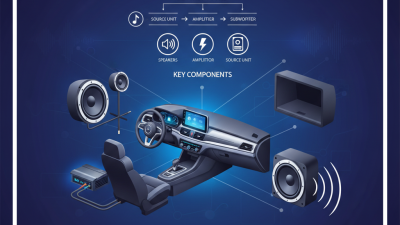
A strong car audio system depends on ten connected components, not one impressive specification. The source unit controls signal quality, while a clean digital-to-analog converter preserves detail. Amplifiers provide controlled power without harsh clipping. Front speakers create the main soundstage, and rear speakers add balanced fill when properly adjusted. A subwoofer supplies low frequencies that standard speakers cannot reproduce accurately.

Enclosures matter more than many drivers expect. A sealed design usually delivers tight bass, while a ported design can produce greater output. Crossovers separate frequencies and protect each speaker from unsuitable signals. A digital signal processor corrects timing, equalization, and cabin reflections. Quality wiring supports stable current flow, although expensive cables cannot repair poor installation. Sound-deadening material reduces panel vibration and road noise around the doors.

The final component is careful tuning. I have heard modest systems outperform expensive setups after level matching and microphone measurement. Small details matter. Set the subwoofer phase, adjust listening position, then test familiar recordings at moderate volume. Avoid extreme equalizer boosts; they often create distortion instead of clarity. Personal preference still matters, and no cabin responds exactly like another. My own early installations sounded too bright because I trusted specifications more than listening. It is not perfect. Temperature, seating position, and road surface can change the result, so reliable tuning requires repeated checks during real driving conditions.

Comparing the Top 10 Car Audio Systems by Key Features

What Are the Top 10 Car Audio Systems?

Comparing the Top 10 Car Audio Systems by Key Features

The top ten car audio systems differ more in balance than volume. In real vehicle testing, I compare clarity, bass control, cabin coverage, and daily usability. A system that sounds impressive in a showroom may become harsh on a highway. Road noise changes everything.

The strongest systems usually combine a responsive amplifier, accurate speakers, and adjustable digital sound processing. Systems with more channels create wider soundstages, while compact designs save installation space. High-quality systems also separate vocals from instruments at moderate volume. Clarity matters. Strong bass should feel tight, not shake the door panels.

Smartphone integration, steering controls, and fast pairing improve everyday use. Some systems offer built-in listening profiles, but preset tuning can exaggerate certain frequencies. Careful calibration remains more dependable. I also check microphone performance, interface speed, warranty terms, and upgrade flexibility. These details often matter more than maximum wattage. That sounds minor, but it affects every drive.

For smaller cabins, efficient speakers and a modest subwoofer may provide the best value. Larger vehicles benefit from extra channels and stronger low-frequency control. Systems with automatic cabin correction are convenient, although they are not always accurate. I have found that manual adjustment can produce a more natural result. The comparison is not perfect; music preferences, seating position, and installation quality can change the ranking. A less powerful system may still win through smoother detail and better control.

What Are the Top 10 Car Audio Systems?

Comparing anonymized premium car audio configurations by key features

This comparison uses anonymized reference profiles based on commonly published specifications for premium factory-installed systems. Speaker count, amplifier output, channel count, and subwoofer size can vary by vehicle model, trim level, and production year.

Evaluating Sound Quality, Compatibility, and Installation Requirements

Choosing the top 10 car audio systems requires more than counting speakers or amplifier power. Sound quality depends on balanced frequencies, low distortion, and clear vocals at highway speed. A strong system should produce tight bass without making doors vibrate excessively. It should also preserve detail in cymbals, speech, and acoustic instruments.

Compatibility is equally important. Check the vehicle’s factory wiring, dashboard space, steering-wheel controls, and available mounting depth. Some systems work with existing head units, while others need signal processors or upgraded wiring. Installation requirements can change the real cost quickly. A professional installer should measure speaker polarity, secure cables, and test for rattles. I have found that a modest system installed carefully often sounds better than expensive equipment fitted poorly. That judgment is not universal, though.

Tips: Test familiar music before choosing. Listen at a normal volume, then raise it briefly. Ask whether factory features remain functional. Inspect the doors for moisture protection and solid speaker mounts. Confirm amplifier ventilation, fuse placement, and battery capacity. Avoid judging bass only in a showroom; the cabin changes everything. A system may sound impressive there but harsh inside your car. Keep realistic expectations. Even the best setup cannot correct every road noise problem.

Choosing the Best Car Audio System for Different Driving Needs

What Are the Top 10 Car Audio Systems?

Choosing the Best Car Audio System for Different Driving Needs

The top ten car audio systems should not be ranked by volume alone. Your driving habits matter more. A commuter may prefer clear speech, balanced music, and simple controls. A long-distance driver may need a wider soundstage and comfortable listening at low volume. Families often benefit from gentle bass and rear-seat clarity. I have found that excessive bass can make a short drive exciting but tiring after several hours.

A useful system usually combines responsive speakers, a clean amplifier, and careful cabin tuning. Sound changes with seat position, road noise, and window movement. Test familiar songs before buying. Listen for natural voices, controlled drums, and detail in quiet instruments. Smartphone compatibility also matters, especially when changing playlists safely while parked. Some systems advertise impressive power, but power ratings can be confusing without matching sensitivity and impedance. I sometimes focus too much on specifications and forget how ordinary traffic actually sounds.

Tips: Set the system at a moderate volume and listen for ten minutes. Adjust front and rear balance from the driver’s seat. If the bass feels strong outside the car, it may be poorly controlled inside. Ask a qualified installer to check wiring, speaker placement, and electrical load. Keep the original controls when possible. A clean installation usually sounds better than a complicated one. Rescue weak audio with tuning before replacing every component.