What is a Miniature Circuit Breaker and How Does It Work?
Miniature Circuit Breakers (MCBs) play a crucial role in electrical safety. According to a recent industry report by MarketsandMarkets, the global MCB market is projected to reach $3.78 billion by 2025. This growth highlights the increasing demand for reliable electrical protection systems. MCBs are designed to automatically switch off electrical circuits during overload or short circuit situations. This prevents potential hazards like electrical fires and equipment damage.
The technology behind an MCB is simple yet effective. They use electromagnetic and thermal mechanisms to detect faults. When normal current levels are exceeded, the MCB reacts quickly to cut off the power supply. This rapid response is vital in protecting both properties and lives. However, despite advancements, some MCBs may not operate as expected. In rare cases, they might fail to trip, leaving circuits vulnerable.
Furthermore, regular maintenance and testing are essential. Neglecting these practices can lead to unexpected failures. Industry experts recommend conducting regular inspections. This ensures that the MCBs are functioning properly and remain compliant with safety standards. In this way, users can enhance their electrical safety measures effectively.
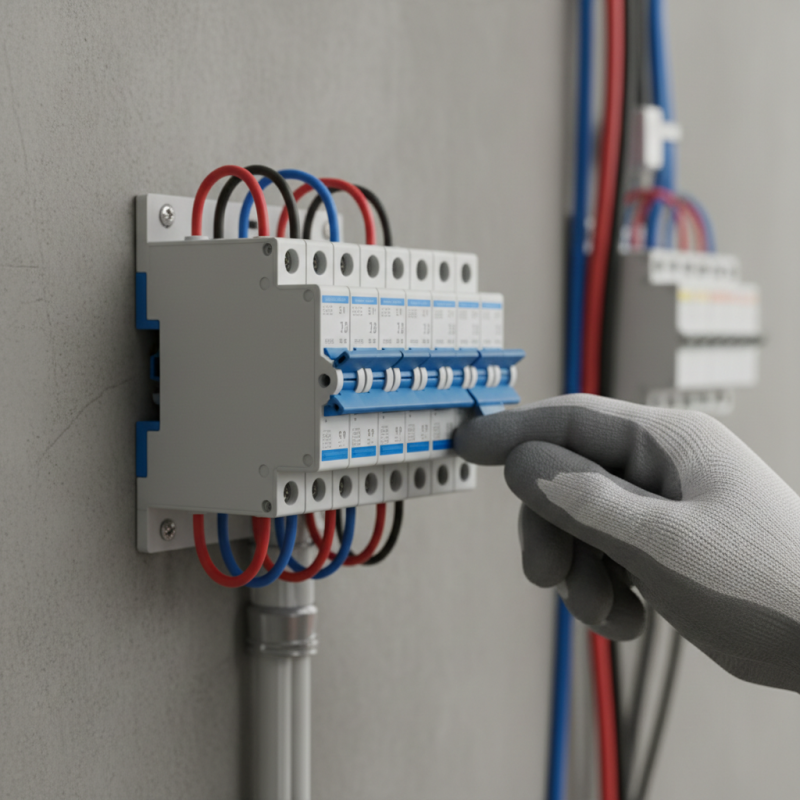
Definition and Purpose of a Miniature Circuit Breaker
A Miniature Circuit Breaker (MCB) is a key device in electrical systems. It automatically cuts off the current when it detects an overload or short circuit. This dramatic action prevents potential hazards like electrical fires or equipment damage. According to industry data, the global MCB market reached over $3 billion in 2022, highlighting its critical role in electrical safety.
The purpose of an MCB is straightforward yet vital. It safeguards electrical circuits by interrupting the flow of electricity. The mechanism relies on both thermal and magnetic effects. When current exceeds a predetermined level, the internal components respond swiftly. These mechanisms operate on specific thresholds, which may lead to issues if they are not calibrated accurately. Faulty settings can result in nuisance tripping, causing unnecessary interruptions.
MCBs are found in residential and commercial buildings alike. Their ability to detect anomalies protects both lives and assets. In recent years, the demand for MCBs has surged due to increasing electrical loads and safety regulations. A report showed that the demand for MCBs in Europe alone grew by 4.5% annually. This reflects a growing awareness of electrical safety standards, yet many installations still lack adequate protection strategies. It's a gap that requires attention, as the risks of inadequate circuit protection remain high.
Components of a Miniature Circuit Breaker
Miniature Circuit Breakers (MCBs) play a crucial role in modern electrical systems. Understanding their components is vital for safe and efficient operation. An MCB primarily consists of three main parts: the switching mechanism, the bimetallic strip, and the electronic trip unit. Each element has a specific function in preventing electrical overloads.
The switching mechanism allows users to manually control the circuit. This feature is essential during maintenance or emergency situations. The bimetallic strip is responsible for thermal protection. It bends when excessive current flows, breaking the circuit. This part responds quickly, enhancing safety. Moreover, electronic trip units offer precise measurements. They can detect overloads more accurately than traditional methods. Recent industry reports indicate that MCBs reduce electrical faults by up to 70%. This statistic underscores their importance in residential and commercial setups.
Despite these advantages, MCBs are not infallible. Improper installation or faulty components can lead to failures. An estimated 15% of electrical issues stem from user error or inadequate maintenance. It highlights the need for trained professionals when handling electrical systems. Regular inspection of MCB components is essential. By prioritizing maintenance, users can mitigate risks. Implementing robust safety measures can significantly enhance circuit reliability and effectiveness.
How a Miniature Circuit Breaker Functions
A Miniature Circuit Breaker (MCB) is a crucial safety device in electrical circuits. It prevents overheating and electrical fires by automatically disconnecting the circuit during overloads or short circuits. When the current exceeds a set limit, the MCB trips. This action stops the flow of electricity in a matter of milliseconds, reducing risks significantly.
MCBs function through two main mechanisms: thermal and electromagnetic. The thermal mechanism uses a bimetallic strip that bends when heated. When the current is too high, this strip bends enough to trigger the switch. On the other hand, the electromagnetic mechanism reacts instantly to short circuits. It uses a solenoid that pulls a lever to open the circuit. Both systems work in harmony to protect your electrical devices.
It's essential to understand the limitations of MCBs. They can fail due to age or manufacturing defects. Regular maintenance checks are necessary to ensure they operate effectively. Many people overlook this aspect, which can lead to unfortunate situations. Being proactive in checking your MCBs is always a wise decision.
Miniature Circuit Breaker (MCB) Functionality and Current Rating Comparison
This bar chart illustrates the different current ratings for Miniature Circuit Breakers (MCBs). The ratings indicate the maximum current the MCB can handle before tripping, ensuring protection for electrical circuits.
Common Applications of Miniature Circuit Breakers
Miniature circuit breakers (MCBs) are essential in modern electrical systems. They are widely used in residential, commercial, and industrial settings to protect circuits from overloads and short circuits. MCBs automatically disconnect the power supply when they detect a fault. This quick action prevents potential fire hazards and equipment damage. According to industry reports, the global MCB market is expected to grow significantly, fueled by increasing safety standards.
Common applications of MCBs include lighting systems, HVAC units, and household appliances. In residential buildings, MCBs safeguard electrical panels and connected devices. In industrial settings, they protect machinery and control systems from damaging electrical surges. A study found that approximately 75% of electrical faults can be attributed to overload conditions. Thus, having reliable MCBs can enhance overall safety.
Tips: Regularly check MCBs to ensure functionality. A reset button should be easily accessible. It's crucial to know how to reset an MCB after a trip. Make sure you understand the load your circuit can handle. This knowledge helps prevent unnecessary trips and maintains a balanced system.
While MCBs are reliable, they are not infallible. Over time, wear and tear can affect their performance. Regular inspections and timely replacements are necessary for maintaining electrical safety. A well-maintained MCB can last for years, but neglecting it can lead to severe consequences.
Advantages of Using Miniature Circuit Breakers
Miniature Circuit Breakers (MCBs) offer significant advantages for modern electrical systems. They provide reliable protection against overloads and short circuits. In fact, MCBs can reduce electrical faults by 75% according to industry studies. This efficiency translates to enhanced safety and cost savings for both residential and commercial installations.
The compact design of MCBs is a key benefit. Unlike traditional fuses, they can be reset easily after tripping. This reduces downtime and maintenance costs. Moreover, MCBs are highly sensitive and operate with precise timing. This sensitivity helps in avoiding unnecessary nuisance tripping while providing necessary protection.
Tip: When selecting MCBs, consider the specific voltage and current ratings. Ensure these match your system requirements for optimal performance.
One potential drawback is the need for proper installation. Incorrect wiring can lead to failures. Regular testing is also crucial to maintain their effectiveness. While MCBs are reliable, they still require periodic checks. Understanding their limitations can improve safety and performance.
Tip: Schedule routine inspections to ensure your MCBs remain functional. This proactive approach prevents unexpected issues and enhances overall system reliability.