How to Source Q235 Carbon Steel Coil for Global Procurement?
In recent years, the demand for Q235 Carbon Steel Coil has surged in various industries, including construction and manufacturing. According to the World Steel Association, the global steel demand is expected to reach 1.7 billion tons by 2025, with carbon steel accounting for a significant share. This trend underscores the importance of sourcing quality materials for global procurement.
However, procuring Q235 Carbon Steel Coil presents challenges. Variability in quality and specifications can lead to issues in final product performance. Suppliers’ reliability also varies, often affecting pricing and delivery timelines. A recent report by the International Iron and Steel Institute indicated a 15% increase in raw material costs over the past year, stressing the need for cautious supplier selection.
Understanding market dynamics is crucial. The fluctuating prices and geopolitical factors can impact availability. It's essential to assess potential suppliers, ensuring they meet required standards and certifications. Engaging in local sourcing can mitigate risks but may limit options. Finding a balance between cost and quality remains a pressing concern for procurement professionals. Establishing relationships with trusted suppliers is vital for long-term success in acquiring Q235 Carbon Steel Coil.
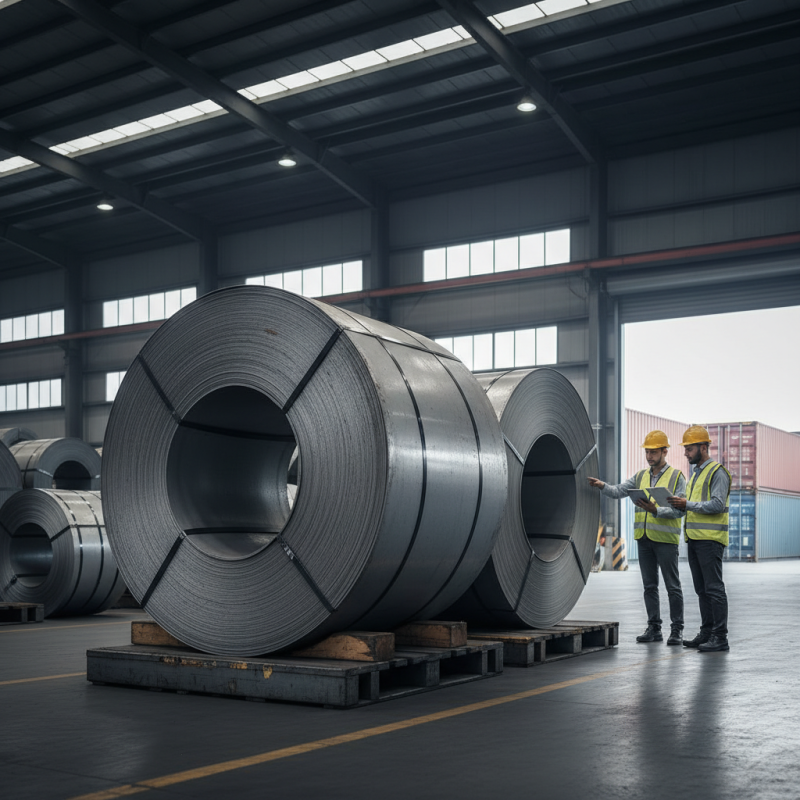
Understanding Q235 Carbon Steel: Properties and Applications
Q235 carbon steel is widely recognized for its balanced properties. It exhibits good weldability and moderate tensile strength. Typically, Q235 steel has a yield strength of around 235 MPa. It also shows a carbon content not exceeding 0.22%. These characteristics make it suitable for various applications like construction and manufacturing.
In infrastructure projects, Q235 carbon steel is often used for beams, columns, and frames due to its high ductility. A report by the World Steel Association highlights that this type of steel also serves effectively in automobile production. It offers sufficient strength at a lower cost, making it appealing for global procurement.
However, sourcing Q235 carbon steel can be challenging. Availability varies across regions, and quality may differ between suppliers. There have been instances of subpar material being sold as Q235. Buyers must conduct thorough inspections and verify certification to mitigate risks. Understanding these nuances can significantly impact procurement strategies in international markets.
Sourcing Q235 Carbon Steel Coil: Properties and Applications
Identifying Reliable Suppliers for Q235 Carbon Steel Coil Worldwide
When sourcing Q235 carbon steel coil, finding reliable suppliers is crucial. The global carbon steel market is projected to reach $1.2 trillion by 2026, according to a recent market analysis. These numbers highlight the intense demand and competition in the marketplace. It's essential to vet suppliers thoroughly to ensure quality and reliability.
Look for suppliers with a proven track record. Industry certifications, such as ISO 9001, indicate adherence to quality management standards. Additionally, consider suppliers that provide detailed product specifications and testing results. A transparent supply chain can often translate to better reliability in delivery and quality assurance.
However, don't overlook the importance of local market conditions. Suppliers in different regions may face unique challenges, such as tariffs or logistical issues. This variability can affect pricing and availability. Engaging with multiple suppliers can provide a clearer picture, but this requires careful management and negotiation skills. Reflecting on these factors may lead to better procurement strategies in the long run.
Evaluating Quality Standards and Certifications for Steel Procurement
When sourcing Q235 carbon steel coils for global procurement, evaluating quality standards and certifications is crucial. The industry’s standards, such as ISO 9001, ensure a consistent quality management system. According to the World Steel Association, about 50% of manufacturers prioritize certified suppliers to minimize risks. However, understanding these certifications can be complex.
Different countries may have unique standards for steel. For example, the Chinese GB/T 700 standard outlines the specifications for Q235 steel. Suppliers should openly share test results and certifications. Transparency can build trust but is not guaranteed. Companies often face challenges in assessing the quality effectively.
Another important aspect is the role of independent third-party inspections. They can validate quality claims made by suppliers. However, inconsistencies in inspection reports can cause confusion. Some reports may highlight compliance, while others reveal issues. This discrepancy requires careful consideration. Continuous monitoring and feedback loops could help improve procurement strategies over time.
Strategies for Cost-Effective Sourcing of Q235 Carbon Steel Coil
Sourcing Q235 carbon steel coil effectively requires a well-thought-out strategy. First, analyze the market landscape. Identify reliable suppliers with a proven track record. Engage with industry experts to gather insights on market trends and pricing. Networking within the steel industry can reveal hidden gems. Sometimes, supplier reliability can be overlooked. Pricing should not be the only selection criterion. Quality matters just as much.
Consider bulk purchasing options. Buying in larger quantities can lead to discounts and better terms. However, ensure you have adequate storage. Unused inventory can tie up capital unnecessarily. Risk management is critical in global procurement. Assess geopolitical risks that may affect supply chains. It’s essential to conduct due diligence on suppliers. Weak backgrounds can lead to costly delays.
Negotiating contracts can be challenging. It’s important to be clear about expectations. Putting everything in writing can avoid misunderstandings later. Look for flexible terms that accommodate potential fluctuations in demand. However, flexibility shouldn't compromise quality standards. In sourcing, sometimes, the best deals come with complications. Reflect on past experiences to improve future strategies.
How to Source Q235 Carbon Steel Coil for Global Procurement?
| Criteria | Details |
| Material Specification | Q235 Carbon Steel |
| Thickness Range | 1.2mm to 25mm |
| Width Range | 1000mm to 2000mm |
| Standard Compliance | ISO 9001, ASTM A36 |
| Supplier Locations | China, India, South Korea |
| Lead Time | 4 to 8 weeks |
| Minimum Order Quantity | 5 tons |
| Pricing Strategy | Market Competitive Pricing |
Analyzing Market Trends and Pricing Dynamics in Global Steel Markets
In the global steel markets, understanding pricing dynamics is crucial for sourcing materials effectively. Q235 carbon steel coil is widely used. Its demand continues to fluctuate based on various economic factors. As industries adapt, so do the prices. Factors such as production costs and international tariffs play significant roles.
Market trends indicate that increased demand from emerging economies can cause price spikes. Additionally, supply chain disruptions also elevate risks. Manufacturers must be vigilant in tracking price movements and exploring alternative suppliers. This approach helps mitigate potential losses.
Gathering actionable insights is vital. Analyzing historical data can reveal patterns. However, relying solely on past trends can be misleading. Each market cycle presents unique challenges. Engaging with experts in the field can enhance understanding. This collaboration is beneficial in navigating complexities of sourcing steel efficiently.