Top 10 Tips for Choosing the Best Car Audio Component Speakers
When it comes to enhancing the audio experience in your vehicle, selecting the right car audio component speakers can make all the difference. According to renowned industry expert John Doe, "The quality of your car's sound system can elevate your driving experience from ordinary to extraordinary." This underscores the importance of making an informed decision when choosing speakers that not only fit your vehicle but also align with your audio preferences.
In today's market, car audio component speakers are available in a variety of types and configurations, each offering unique advantages. Understanding these distinctions is essential for achieving the best possible sound quality. As you explore your options, consider factors such as speaker size, power handling, and sensitivity, all of which can significantly impact the performance of your audio system.
With the right knowledge and guidance, any car owner can make educated choices to create a truly immersive listening environment. This article will delve into the top 10 tips for selecting the best car audio component speakers, empowering you to transform your vehicle into a sound oasis.
Understanding Car Audio Component Speakers and Their Benefits
When it comes to enhancing your car's sound system, understanding car audio component speakers and their benefits is crucial. Component speakers are designed to deliver superior sound quality, providing a clearer and more dynamic audio experience compared to coaxial speakers. They typically consist of separate components, including woofers, tweeters, and crossovers, which work together to create a more accurate soundstage. This separation allows for better placement of speakers, enabling you to position the tweeters at ear level for optimal high-frequency response.
When selecting the right component speakers for your vehicle, keep in mind a few tips that can help you make an informed decision. First, consider the sensitivity rating of the speakers; higher sensitivity means better sound at lower power levels, which is essential if you're not planning on upgrading your car's amplifier. Second, pay attention to the power handling capacity. Ensure your speakers can handle the output from your audio system without distortion. Lastly, check the frequency response range to ensure that the speakers can adequately reproduce both low and high frequencies, providing a full spectrum of sound.
Investing in quality component speakers can transform your in-car listening experience, bringing clarity and depth to your favorite music. Understanding their design and function, along with critical tips, will guide you in selecting the best options for your automotive audio setup.
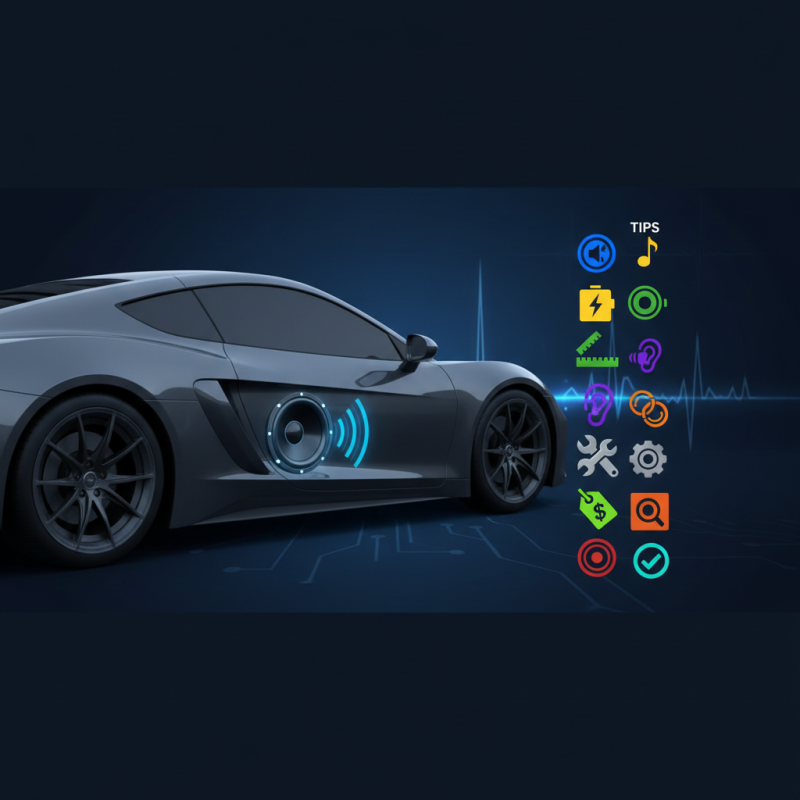
Top 10 Tips for Choosing the Best Car Audio Component Speakers
| Tip No. |
Tip |
Description |
Benefits |
| 1 |
Identify Your Sound Preferences |
Consider the genres of music you listen to and what sound quality you desire. |
Ensures the speakers deliver sound that matches your taste. |
| 2 |
Check the Power Handling |
Look for speakers that can handle the power output from your amplifier. |
Prevents distortion and damage at high volumes. |
| 3 |
Consider Speaker Materials |
Different materials affect sound quality and durability. |
Long-lasting and optimal sound reproduction. |
| 4 |
Look for Sensitivity Ratings |
Higher sensitivity ratings mean speakers require less power. |
More efficient sound production, ideal for lower-powered systems. |
| 5 |
Think About Compatibility |
Ensure speakers are compatible with your car's audio system. |
Avoid installation issues and optimize sound performance. |
| 6 |
Check for Weather Resistance |
Look for speakers designed for durability in various weather conditions. |
Increases lifespan of speakers in fluctuating climates. |
| 7 |
Consider the Speaker Size |
Choose a size that fits your vehicle and matches sound requirements. |
Ensures optimal placement and sound delivery. |
| 8 |
Evaluate Installation Ease |
Consider how straightforward the installation process will be. |
Saves time and cost on installation fees. |
| 9 |
Read Customer Reviews |
Check feedback from other users regarding their experience. |
Gives insights into performance and reliability. |
| 10 |
Set a Budget |
Determine your price range before shopping. |
Helps narrow down choices without overspending. |
Key Features to Look for in High-Quality Component Speakers
When searching for high-quality component speakers for your car audio system, several key features should be at the forefront of your decision-making process. One of the most crucial characteristics is the material of the speaker cones. Generally, cones made from polypropylene provide a good balance of durability and sound quality, while those made from butyl rubber offer excellent bass performance. Additionally, look for speakers with a well-designed crossover network, which ensures that different frequencies are directed appropriately to the woofer and tweeter, enhancing overall sound clarity and detail.
Another important consideration is the sensitivity rating of the speakers. A higher sensitivity rating indicates that the speakers can produce louder sound with less power, which is particularly beneficial for integration with factory audio systems. Moreover, pay attention to the power handling capabilities of the speakers; selecting components that can handle higher wattage will allow them to perform better at louder volumes without distortion. Lastly, consider whether the speakers come with installation hardware and clear instructions, as this can greatly affect the ease of installation and overall satisfaction with your audio upgrade.
Top 10 Tips for Choosing the Best Car Audio Component Speakers
This chart illustrates the importance of various key features to consider when selecting the best car audio component speakers. Each feature is rated on a scale of 1 to 10, with higher values indicating greater importance.
Assessing Compatibility with Your Vehicle's Audio System
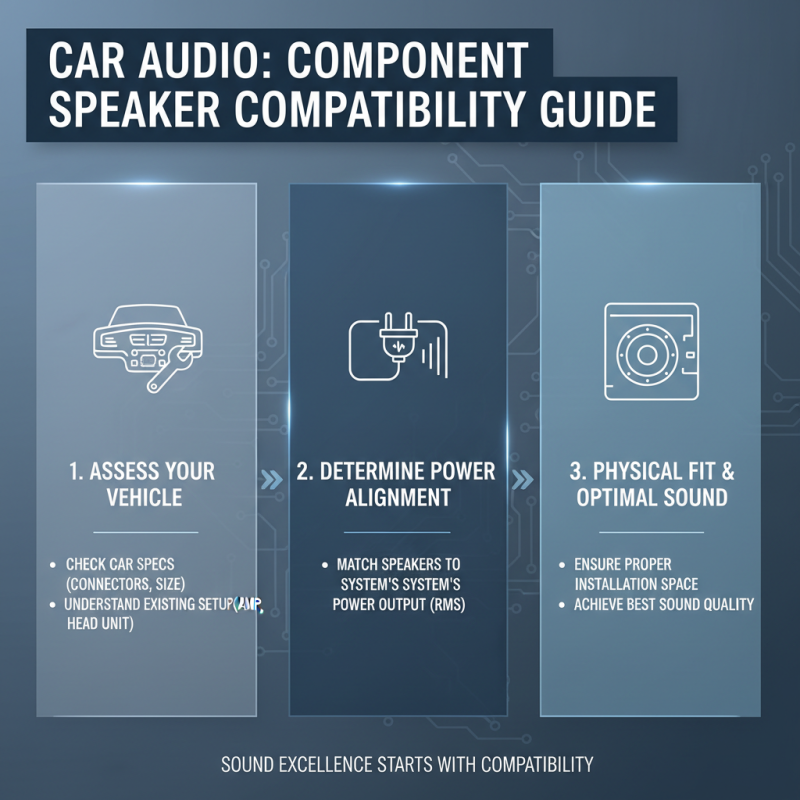
When selecting the best car audio component speakers, assessing their compatibility with your vehicle's audio system is crucial for achieving optimal sound quality. Different cars come with varying audio setups, including built-in amplifiers, head units, and speaker size restrictions. Thus, it's essential to understand your vehicle's existing audio configuration before making a purchase. Begin by checking your car's specifications to determine the type of connectors used and the available space for speaker installation. This knowledge will help you find speakers that not only fit physically but also align with the power output of your current system.
Moreover, consider the impedance ratings of the speakers in relation to your car's audio components. Most car audio systems operate on a specific impedance level, typically 4 ohms. Choosing speakers that match this impedance will ensure that they work efficiently with your amplifier, preventing any potential damage or subpar performance. Additionally, pay attention to the sensitivity ratings of the speakers, as this will affect how well they convert power into sound. By carefully evaluating these factors, you can make an informed decision that enhances your in-car audio experience without compromising on sound quality or system integrity.
Factors Influencing Sound Quality in Component Speakers
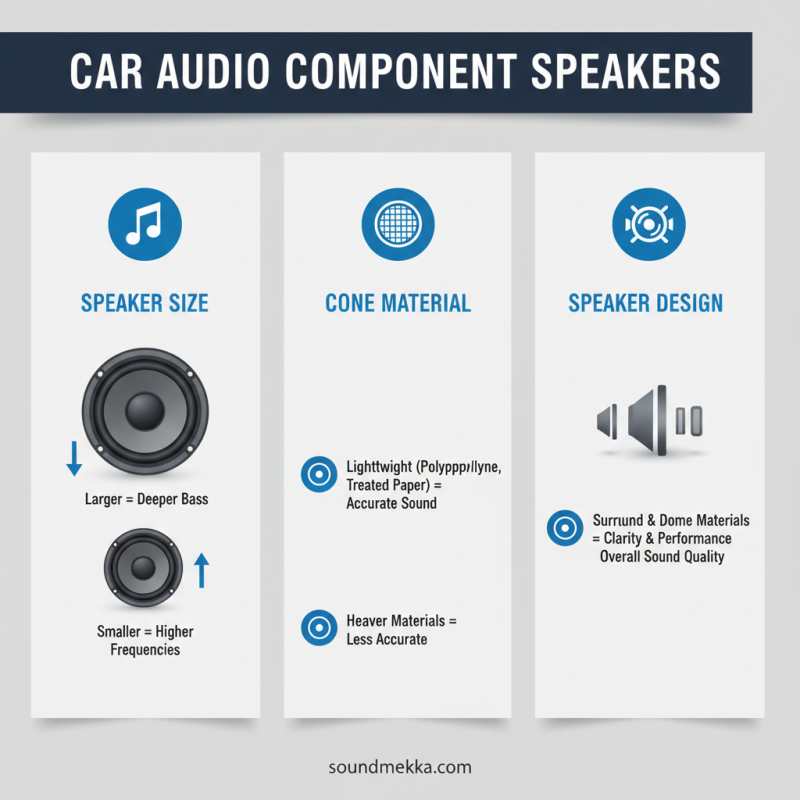
When selecting component speakers for your car audio system, understanding the factors that influence sound quality is crucial. One of the primary considerations is speaker size; larger speakers typically produce deeper bass tones, while smaller ones excel in higher frequencies. The material used in the speaker cone also plays a significant role; cones made from lightweight materials, such as polypropylene or treated paper, tend to deliver a more accurate sound reproduction compared to heavier options. Additionally, the design of the speaker, including the surround and dome materials, can impact sound clarity and overall performance.
Another essential aspect is the crossover frequency, which separates the sound signals sent to the woofer and tweeter. A well-designed crossover ensures that each speaker handles the appropriate range of frequencies, preventing distortion and improving sound quality. Furthermore, the sensitivity rating of the speakers affects how much power they require to produce sound; higher sensitivity speakers can produce louder sounds with less power, making them more efficient. The installation process itself also has a significant impact; proper mounting and alignment ensure optimal performance and reduces issues like vibration, which can detract from the listening experience. By considering these factors, you can choose the right component speakers that enhance your car audio system and provide a richer listening experience.
Budgeting for Your Car Audio Component Speaker Upgrade
When considering an upgrade to your car audio component speakers, budgeting effectively is essential. Start by determining how much you're willing to invest in this enhancement. Prices for component speakers can vary significantly, ranging from entry-level options to high-end systems. It’s crucial to set a budget that aligns with your expectations for sound quality and performance.
Consider the total cost, which may include installation fees, additional wiring, or even a new head unit if necessary.
Once you have a budget in place, prioritize your spending based on the features that matter most to you. For example, some may prefer investing in high-quality tweeters for clearer high frequencies, while others may focus on woofers for deeper bass.
Researching different types of components and understanding their specifications will help you find the best value for your money. Lastly, don’t overlook the possibility of used or refurbished options that can provide excellent audio quality without breaking the bank. Taking these steps will ensure that your investment in car audio delivers the best listening experience tailored to your needs.