Top 10 Component Speakers for Ultimate Sound Quality?
When it comes to achieving ultimate sound quality in your vehicle, component speakers play a crucial role. These speakers consist of separate parts, like woofers and tweeters, allowing for clearer and more detailed sound reproduction. Unlike full-range speakers, component speakers can create a more immersive audio experience.
Finding the best component speakers involves considering various factors. Some may prioritize sound clarity, while others may seek powerful bass. The perfect choice can feel overwhelming at times. Knowing the right specifications can help. You need to balance price and performance, which can be tricky.
There are many options available that promise amazing sound. However, not all will meet your expectations. You might find some models that lack necessary features or don’t fit your car. The aim is to find speakers that truly resonate with your listening style and vehicle's acoustics. Making an informed decision is key for the best sound quality.
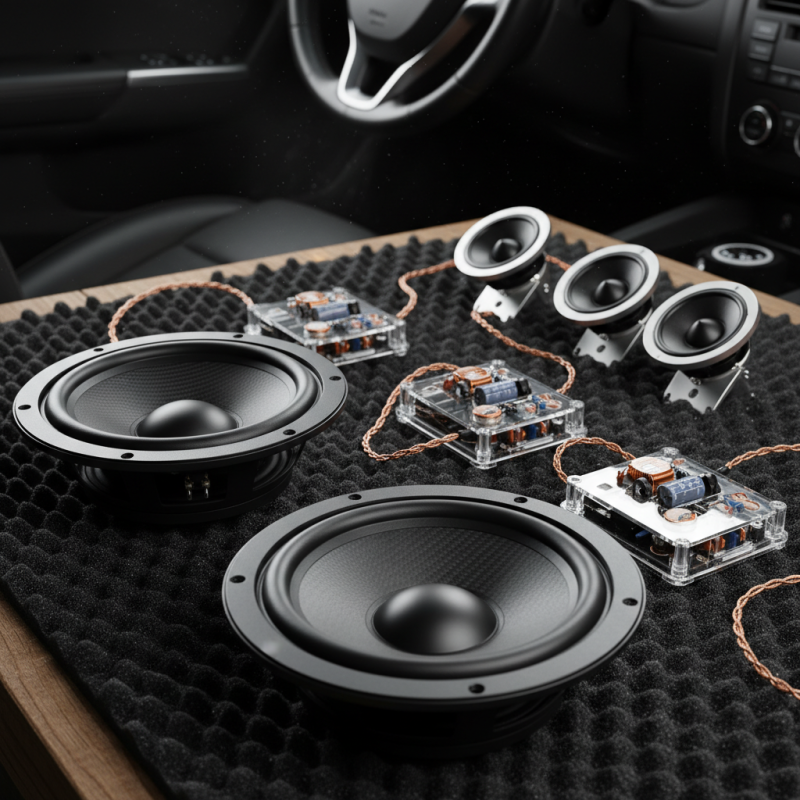
Key Features to Consider When Choosing Component Speakers
When choosing component speakers, sound quality is paramount. Look for speakers with a wide frequency response. A range from 20Hz to 20kHz ensures clarity and depth. Pay attention to the materials used in the speaker construction. High-quality woofers, tweeters, and crossovers can make a noticeable difference.
Another key feature is sensitivity rating. Higher sensitivity means better sound output with less power. This is crucial for those using lower-powered amplifiers. Consider the speaker’s power handling capability as well. Too much power can damage speakers, while too little can hinder performance.
Installation options should not be overlooked. Some speakers fit more easily than others. Check the mounting depth and size to ensure a good fit in your vehicle. Compatibility with your head unit and amplifier is essential for optimal performance. Reflecting on these features can help you avoid common mistakes.
Top 10 Component Speakers for Ultimate Sound Quality
This chart represents the ratings of key features for component speakers, highlighting their driver size, frequency response, power handling, sensitivity, and impedance. Each feature is rated to provide insight into the ultimate sound quality they can deliver.
Top Brands Renowned for High-Performance Component Speakers
When it comes to enhancing your car's audio system, choosing the right
component speakers is crucial. Various brands are known for delivering exceptional sound quality. Some manufacturers focus on producing speakers that capture every nuance of music. Others prioritize powerful bass that can fill an entire car. You'll find a range of options, from models designed for clarity to those meant for heavy bass enthusiasts.
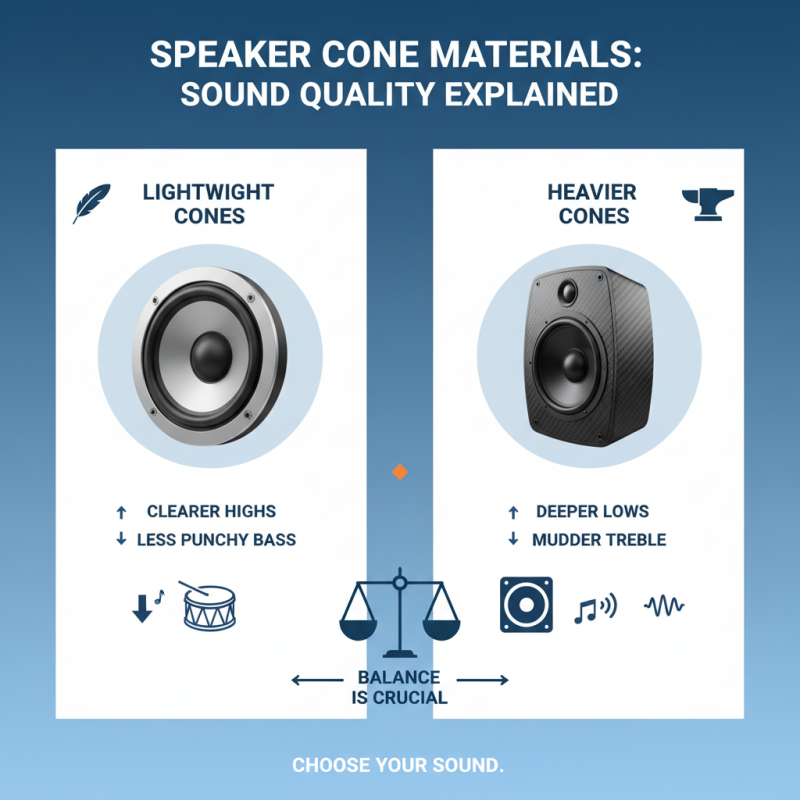
Pay attention to details like cone material and frequency response. These factors significantly influence the overall sound experience. Lightweight materials can improve performance but may lack durability. In contrast, heavier materials often provide richer sounds but can be cumbersome. It’s a balancing act, and you might find your ideal match only after some trial and error.
Listening preferences can vary widely. Some people enjoy sharp treble, while others prefer a warmer tone. Testing different setups can be enlightening. You may discover that what sounded perfect in the store feels lacking once you’re in motion. This process can be frustrating but worth exploring. Each brand may offer something unique, so keep an open mind as you navigate your options.
Comparison of Sound Quality in Leading Component Speakers
When exploring the sound quality of leading component speakers, one must consider several factors. The material used in speaker cones greatly influences audio performance. Lightweight cones often produce clearer highs. However, they may lack the punchy bass that many users crave. On the other hand, heavier cones deliver deeper lows, but they can sometimes muddy the treble. The balance is crucial.
Another important aspect is the tweeter design. Soft dome tweeters often deliver warmer sounds, but they might not be as crisp as ceramic ones. Some listeners might find the soundstage too narrow with this configuration. Conversely, ceramic tweeters can offer brightness and detail, yet they risk being harsh at higher volumes. Achieving an optimal mix is essential for a truly immersive audio experience.
Overall, listening environments and personal preferences complicate the evaluation of sound quality in component speakers. A speaker that sounds great in one vehicle might falter in another. Acoustic properties in different spaces can affect performance. Proper installation plays a vital role too. An ill-placed speaker can lead to disappointing sound, regardless of its specifications. Experimenting and adjusting can often yield surprising results.
Installation Tips for Optimal Performance of Component Speakers
Installing component speakers can significantly enhance your sound experience. Proper installation is essential for achieving optimal performance. According to the Consumer Electronics Association, nearly 70% of audio enthusiasts report dissatisfaction due to incorrect speaker placements.
Begin with selecting the right location. Ideally, component speakers should be mounted at ear level. This positioning can dramatically improve sound clarity and imaging. A study from the Audio Engineering Society indicates that sound waves disperse more evenly when the speakers are aligned properly with your listening position.
Use sound-deadening materials to reduce unwanted vibrations. It’s crucial, as these can mask the pure audio signal.
Cable management also plays a role. Keep wires away from power lines to avoid interference. A clean installation minimizes noise disruption. Ensure secure connections between components. Even a loose wire can result in inconsistent sound quality. Finally, consider the tuning process. Many overlook this step.
Taking the time to adjust crossover settings and equalization can define your listening experience. Each vehicle's interior affects acoustics differently. Small adjustments can lead to significant improvements. Aim for balance, but be prepared for trial and error. Sound quality is a personal journey.
User Reviews and Ratings of the Best Component Speakers
When it comes to component speakers, user reviews often shine a light on what really matters. Many consumers prioritize sound quality above all else. Clear highs and deep lows are essential for an immersive audio experience. Those who have upgraded their systems rave about the transformation. They express excitement over richer soundscapes. Yet, not every review is glowing. Some users report issues with durability. They mention that certain models may not stand the test of time.
Installation is another point of contention. Some find it straightforward, while others struggle. Reviews highlight the importance of fit and compatibility with existing systems. A few users faced challenges in finding the right setup. Also, there are mixed feelings about the price-to-performance ratio. A common sentiment is that higher price doesn’t always correlate with superior sound. Some users believed they could achieve greatness without breaking the bank.
Overall, the diversity of experiences offers valuable insights. Reviews reveal preferences, disappointments, and unexpected joys. Many audiophiles emphasize personal taste. The perfect speaker for one may not suit another. Encouraging others to delve into reviews is crucial. It helps in making informed decisions.