Top Tips for Choosing Component Speakers for Your Car Audio?
When it comes to enhancing your car audio system, choosing the right component speakers is crucial. Expert sound engineer Mark Johnson emphasizes, "Quality component speakers can transform your listening experience." This statement rings true as component speakers offer superior sound clarity and depth.
However, selecting the perfect pair involves navigating various factors. It's not just about brand or price; you must consider sensitivity, power handling, and frequency response. These technical elements can often overwhelm a buyer. Many enthusiasts overlook the importance of matching speakers to their audio system. This could lead to subpar performance, leaving you dissatisfied.
While shiny specifications may catch your eye, actual user experiences matter more. Many people expect too much from their setup and feel frustrated when reality doesn't match those expectations. Take time to listen to different options and reflect on your audio preferences. The journey to finding the ideal component speakers can offer unexpected insights about your sound quality needs.
Understanding Component Speakers: Definition and Benefits
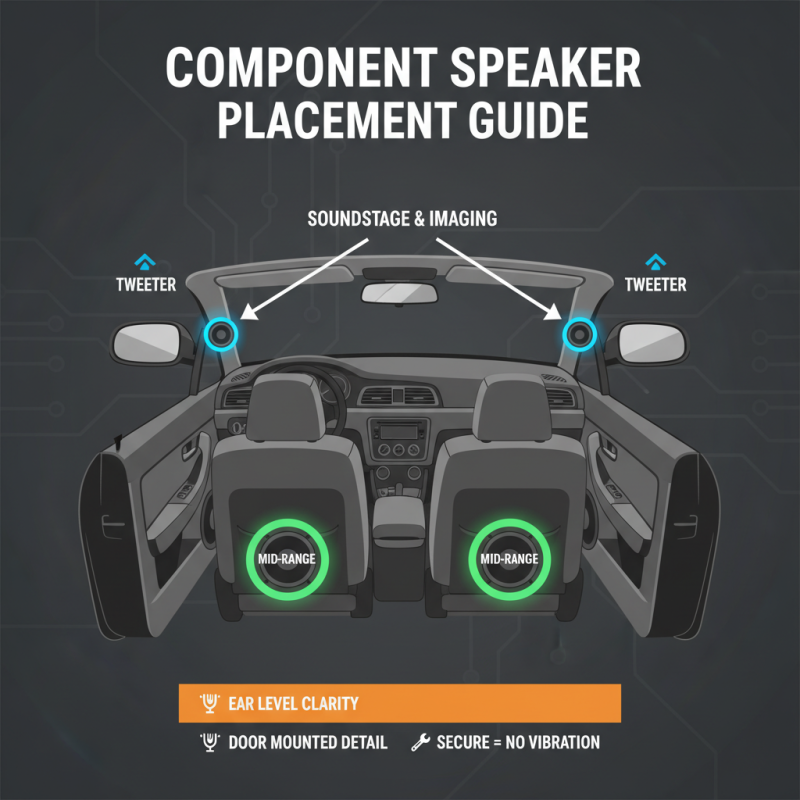
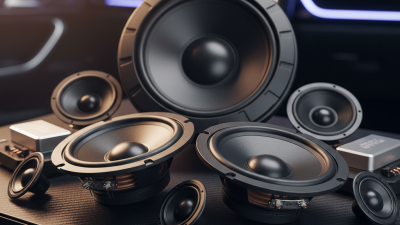
Component speakers are a popular choice for car audio enthusiasts. They consist of separate components, such as woofers and tweeters. This design allows for better sound quality and a more immersive listening experience. According to industry reports, component speakers can improve audio clarity by up to 30%. This is a significant enhancement compared to standard coaxial speakers.
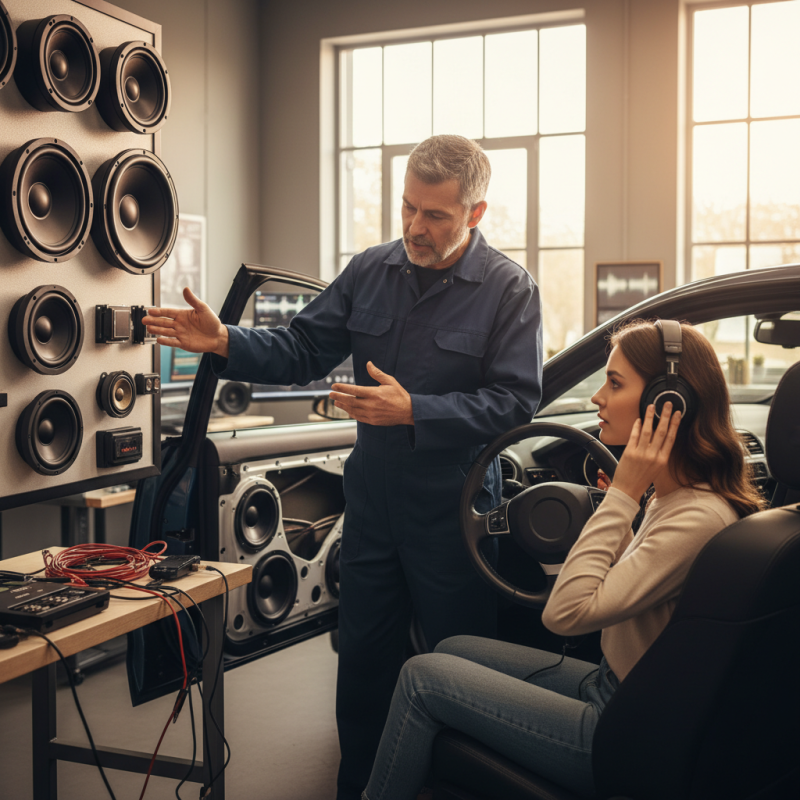
A common misconception is that component speakers are only for audiophiles. In reality, anyone can benefit from their superior sound. The ability to adjust the positioning of each component can lead to a more balanced audio stage. This customization means listeners can create their own unique sound profile. However, installation can pose challenges. Many users find the process daunting and may need professional help.
When selecting component speakers, consider factors like sensitivity and power handling. Sensitivity ratings show how efficiently a speaker converts power. A higher rating may be better for those using factory head units. Yet, some skip researching these specs, risking sound quality. Overall, understanding the benefits of component speakers can elevate your car audio experience.
Key Specifications to Consider When Choosing Component Speakers
When selecting component speakers for your car audio system, several key specifications play a vital role. Power handling is one of them. Look for speakers that can handle both peak and RMS (Root Mean Square) power ratings. This ensures they deliver clear and undistorted sound without damaging them. Many enthusiasts overlook this aspect, and it can lead to disappointing audio experiences.
Sensitivity is another critical factor to consider. It indicates how efficiently a speaker converts power into sound. A higher sensitivity rating means less power is needed for the same volume level. This can be crucial, especially if you're using a less powerful amplifier. However, be cautious; an overly sensitive speaker may result in harsh sounds at high volumes.
Pay attention to frequency response range as well. It determines the range of sounds a speaker can produce. A typical range for component speakers might be from 40 Hz to 20 kHz. While it’s tempting to go for speakers with the widest range, balance is essential. Choosing a speaker with a great focus on mid-range frequencies can enhance that live music feel. All these specifications can be overwhelming at first. Still, an informed choice can ultimately transform your driving experience into a pleasurable auditory journey.
Importance of Crossover Design in Component Speaker Systems
Crossover design plays a vital role in component speaker systems. A good crossover ensures that different frequencies reach the right speakers. This enhances the audio experience in your car. According to industry reports, poorly designed crossovers can lead to muddy sound. This limits the overall performance of your system.
In many cases, a two-way or three-way crossover can significantly improve clarity. A two-way system divides frequencies into woofers and tweeters. This creates a more balanced sound. However, many car audio enthusiasts overlook this aspect. They may focus solely on speaker power or size. This can lead to dissatisfaction with audio quality. Research indicates that a well-matched crossover can increase efficiency by up to 30%.
Ignoring crossover design may prevent users from achieving optimal sound. A poor crossover can cause distortion, affecting midrange frequencies. Moreover, drivers may not understand the importance of proper tuning. This can lead to a subpar listening experience. Balancing frequency response is key. It's essential to invest time in understanding crossover technologies.
Material Quality and Its Impact on Sound Performance
When selecting component speakers for your car audio, the material quality plays a crucial role. The cone, surround, and voice coil materials directly influence sound clarity and depth. For instance, polypropylene cones are lightweight and durable, providing good bass response. However, they may lack the warmth of paper cones, which can produce rich, natural tones. Consider this trade-off when making your choice.
The surround material also matters. Rubber surrounds tend to offer better longevity and flexibility over foam, which can degrade over time. Yet, foam can provide a warmer sound, but its lifespan is often shorter. This balance between performance and durability can be challenging. You may find that a mix of materials yields the best outcome for your listening experience.
In the realm of speaker cables, gauge size affects sound transmission. Thicker cables reduce resistance but often come at a higher cost. Pursuing high-quality connectors can improve overall performance, though they might not be a priority for everyone. Many overlook these details, only to realize later that choices made now impact their audio experience. Emphasizing material quality will significantly enhance your car audio's performance.
Top Tips for Choosing Component Speakers for Your Car Audio
| Aspect |
Material |
Impact on Sound Performance |
| Woofer |
Polypropylene |
Good bass response, lightweight, cost-effective |
| Tweeter |
Silk Dome |
Smooth high frequencies, reduces distortion |
| Surround Material |
Rubber |
Durability, better response over time |
| Basket |
Stamped Steel |
Provides structural support, heavy but stable |
| Crossover |
Passive Components |
Ensures proper frequency distribution, can affect clarity |