Top Vehicle Speakers for Ultimate Sound Quality and Performance in 2023
In the quest for the ultimate listening experience while on the road, vehicle speakers play a crucial role in transforming the mundane drives into a sonic delight. With advancements in technology and design, the market for vehicle speakers has seen an explosion of options that cater to any audio enthusiast’s needs. From deep bass to crisp highs, selecting the right set of speakers can significantly enhance sound quality, allowing drivers and passengers alike to enjoy their favorite music, podcasts, or audiobooks in unprecedented clarity.
As we dive into 2023, various vehicle speaker innovations promise not only improved audio output but also enhanced durability and ease of installation. Whether you're a casual listener or a dedicated audiophile, understanding the different features and capabilities of these products will empower you to make informed choices that elevate your overall driving experience. With a multitude of options available, it's essential to identify what factors—such as size, power handling, and sensitivity—are most important for your vehicle’s specific environment and your personal listening preferences.
This guide will explore the top vehicle speakers that stand out for their sound quality and performance in 2023, aiding you in selecting the perfect audio solution to turn your vehicle into a mobile concert hall. Join us as we navigate through the best choices on the market, ensuring that you never miss a beat during your journeys.
Overview of Vehicle Speakers and Importance of Sound Quality
When it comes to enhancing the driving experience, the quality of vehicle speakers plays a crucial role. Sound quality not only contributes to enjoyment but also impacts safety, as clear audio can help drivers stay focused on the road. In 2023, a growing number of car audio enthusiasts and casual listeners alike recognize the importance of investing in high-quality speakers. According to a recent industry report, nearly 70% of vehicle owners cite sound quality as a top priority when upgrading their audio systems.
The performance of vehicle speakers is determined by several key factors including frequency response, sensitivity, and power handling. Frequency response indicates how well a speaker can reproduce different sound frequencies, which is vital for experiencing crisp highs and deep lows. Sensitivity reflects how efficiently a speaker can convert power into sound, while power handling is crucial for ensuring that speakers can withstand the demands of a high-powered audio system without distortion. As per audio industry insights, speakers with a frequency range of 20 Hz to 20 kHz are usually deemed ideal for balanced sound reproduction.
Tips for selecting the best vehicle speakers include testing for sound clarity at various volume levels and ensuring compatibility with your vehicle's existing audio system. It's also advisable to consider installation options; some speakers may require professional setup to achieve optimal performance. Lastly, researching online reviews and ratings can provide valuable insights into the performance of potential speaker options, helping you make an informed choice for improved audio quality on the road.
Key Features to Consider When Choosing Vehicle Speakers
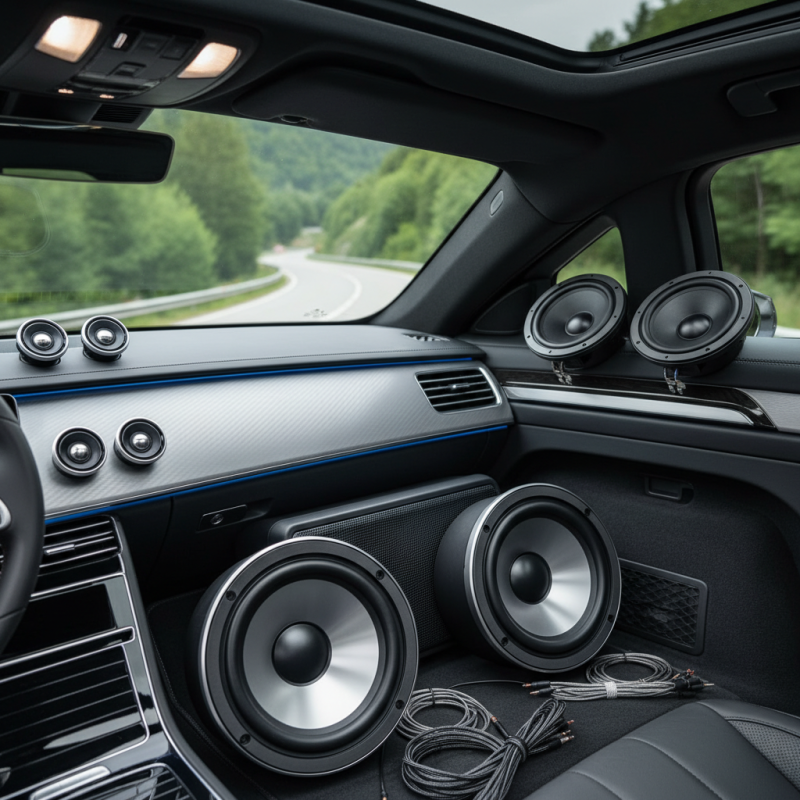
When selecting vehicle speakers, several key features must be taken into account to ensure optimal sound quality and performance. First and foremost is the speaker type. Coaxial speakers, known for their ease of installation and compact design, often feature multiple drivers in one unit, providing a balanced sound. In contrast, component speakers, with separate woofers, tweeters, and crossovers, can deliver superior sound clarity and range, making them a preferred choice for audiophiles. According to a 2023 industry report, vehicle owners prioritizing sound quality tend to favor component systems for their ability to reproduce high-fidelity audio.
Another vital aspect is the power handling capability of the speakers, often measured in watts. A higher power rating allows for cleaner sound at higher volumes, which is essential for those who enjoy driving with the windows down or in more dynamic audio environments. Additionally, sensitivity ratings play a crucial role, as they indicate how efficiently the speaker converts power into sound. Typically, a sensitivity rating above 90 dB is advisable for optimal performance, ensuring that even low-powered head units can drive the speakers adequately without distortion.
Finally, material quality cannot be overlooked. The diaphragm and cone materials influence sound reproduction; for instance, polypropylene cones are commonly favored for their durability and resistance to moisture, while silk tweeters are often selected for their warm sound profile. A recent study revealed that speakers incorporating advanced materials like carbon fiber or aluminum can significantly enhance auditory performance. Understanding these fundamental features and their impact on sound quality will enable vehicle owners to make informed choices that elevate their audio experience on the road.
Top Vehicle Speakers for Ultimate Sound Quality and Performance in 2023
| Speaker Type |
Power Handling (W) |
Frequency Response (Hz) |
Sensitivity (dB) |
Impedance (Ω) |
Weight (lbs) |
| Coaxial |
300 |
45 - 20,000 |
92 |
4 |
4.5 |
| Component |
250 |
50 - 22,000 |
90 |
4 |
5.0 |
| Subwoofer |
500 |
20 - 500 |
86 |
2 |
15.0 |
| Full-Range |
200 |
60 - 20,000 |
88 |
4 |
3.0 |
Top Brands Known for High-Performance Vehicle Speakers in 2023
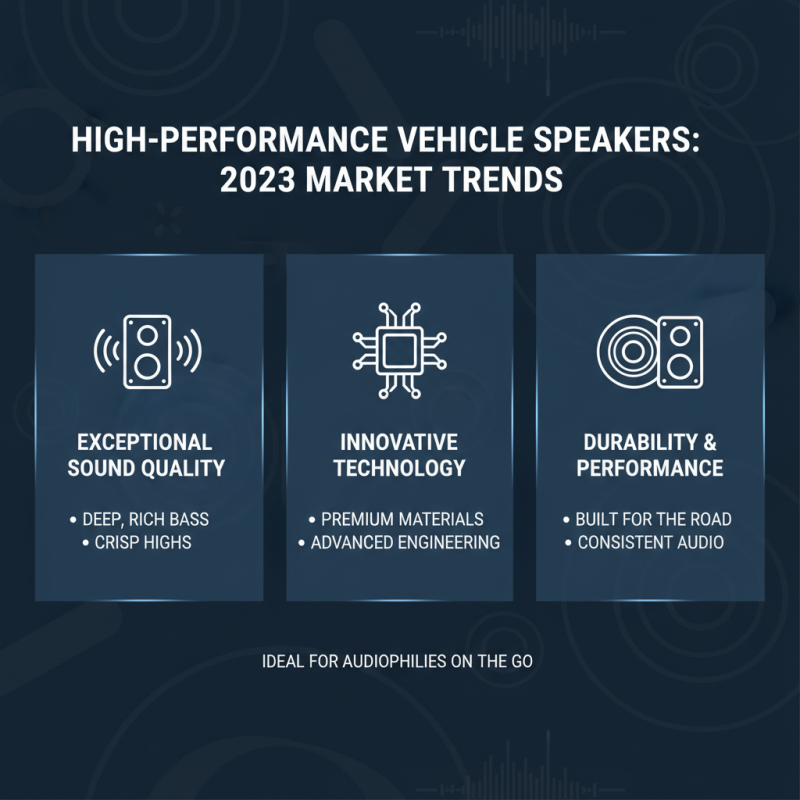
In 2023, the market for high-performance vehicle speakers continues to expand, featuring various brands renowned for their exceptional sound quality and innovative technology. These brands have built their reputation on delivering audio systems that provide not only deep, rich bass but also crisp highs that enhance overall listening experiences. Their focus on premium materials and advanced engineering ensures that each speaker can withstand the rigors of travel while producing consistent sound quality, making them ideal for audiophiles who seek performance on the road.
Several brands stand out in the vehicle speaker industry for their commitment to excellence. They invest heavily in research and development, continuously pushing the boundaries of audio technology. Their product lines typically include a range of speaker types, from component systems that allow for customization to full-range speakers that offer ease of installation. With a focus on user feedback and acoustic optimization, these brands ensure that their speakers deliver impactful sound for a variety of music genres, catering to a broad audience. The commitment of these brands to high-performance audio equipment guarantees that vehicle owners can enjoy an immersive sound experience wherever their travels take them.
Comparison of Popular Vehicle Speakers and Their Sound Performance
When it comes to vehicle audio systems, sound quality and speaker performance are crucial factors that significantly impact the overall listening experience. According to industry reports, the demand for high-performance vehicle speakers has surged, with an increasing number of consumers eager to enhance their audio experience during travel. Many audiophiles prioritize frequency response and total harmonic distortion (THD) as key indicators of sound performance. Top-tier vehicle speakers typically boast a frequency range from 20 Hz to 20 kHz, allowing for a clearer and more dynamic sound reproduction that enhances everything from bass-heavy tracks to intricate vocal performances.
Recent studies have shown that speakers with higher sensitivity ratings, typically above 90 dB, provide better performance in various acoustic environments. This is especially important in vehicles where external noise can interfere with sound clarity. Furthermore, materials used in speaker construction—like the type of woofer cone and tweeter design—play a significant role in sound quality. For instance, polypropylene cones are known for their durability and sound accuracy, while silk dome tweeters often deliver a smoother, more extended high-frequency response. By comparing these specifications across popular models, consumers can make informed decisions that align with their personal preferences and listening habits, ensuring an optimal audio experience on the road.
Installation Tips for Optimal Sound from Vehicle Speakers
Installation is a crucial factor in achieving optimal sound quality from vehicle speakers. According to research from the Mobile Electronics Association, improperly installed speakers can lead to a 30% loss in audio performance. To maximize your sound system, it's essential to consider the acoustic environment of your vehicle. Factors such as speaker placement, enclosure design, and the materials used can significantly influence sound output. For instance, placing speakers too close to corners or using inadequate mounting hardware can cause unwanted vibrations, distorting the audio experience.
Additionally, ensuring that the speakers are powered by an amplifier suited to their specifications can enhance overall performance. A recent survey from the Consumer Electronics Association indicated that nearly 65% of vehicle audio systems benefit from an external amplifier, which provides clean power and reduces distortion. It's also vital to angle the speakers correctly, as this can affect sound dispersion and clarity. Fine-tuning settings on an equalizer and regularly checking for secure connections can further contribute to a well-rounded audio experience. These installation tips can transform a standard vehicle audio system into a high-performance sound environment, showcasing the full potential of your speakers.