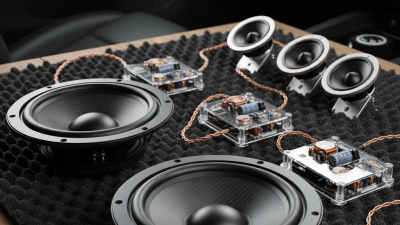
Trending Car Multimedia Technologies for Global Buyers
In today's automotive landscape, car multimedia technology is rapidly evolving. The integration of advanced multimedia systems enhances driving experiences for global buyers. These technologies include features such as touchscreens, voice recognition, and smartphone connectivity. They provide entertainment and navigation solutions on the go.
As consumers prioritize connectivity, car manufacturers are incorporating sophisticated multimedia solutions. High-definition displays and seamless app integration are becoming standard. Yet, some challenges remain. Compatibility issues with various devices can frustrate users. Security concerns may arise with increased connectivity. These points demand careful consideration by manufacturers.
Investing in car multimedia technologies is becoming essential for automakers. However, this shift also highlights the need for ongoing innovation and user feedback. Only through addressing these concerns can manufacturers truly satisfy customer needs in an ever-evolving market.
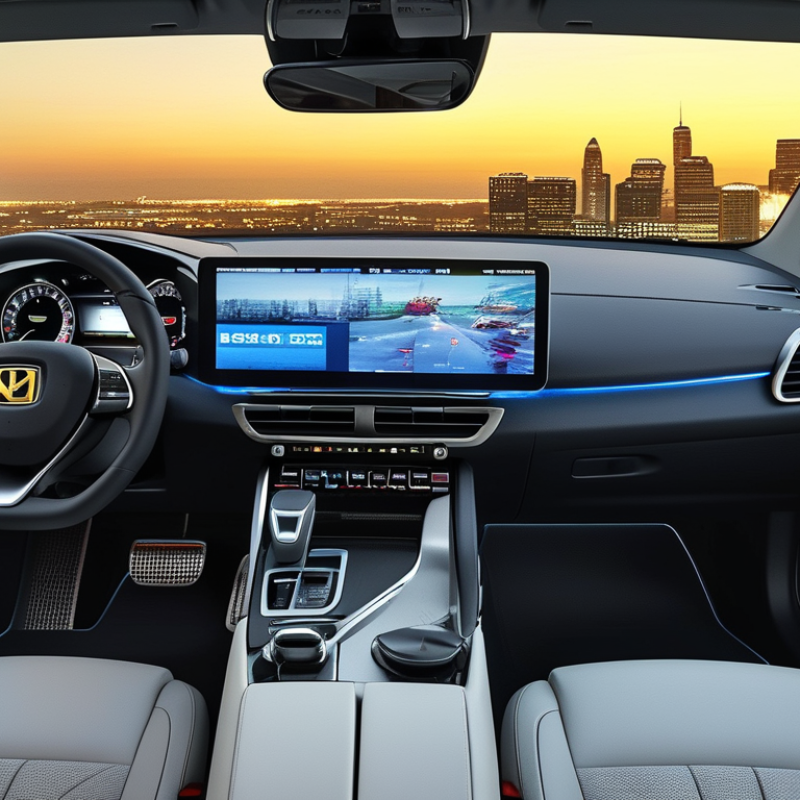
Emerging Trends in Car Multimedia Technologies for 2023
In 2023, car multimedia technologies are witnessing remarkable developments. Advanced connectivity features grab attention. Drivers now expect seamless integration with their devices. Touchscreens are evolving, becoming more responsive and intuitive. Many systems now support voice commands, reducing distractions and enhancing safety. This shift is crucial as consumers prioritize both entertainment and road awareness.
Augmented reality (AR) is also making waves in car tech. Imagine navigation prompts displayed directly on the windshield. This technology enhances situational awareness but can be tricky. The information must be clear, or it risks creating confusion. Additionally, the rise of over-the-air updates ensures that cars stay relevant. However, this innovation raises concerns about data privacy.
Personalization is a key trend. Drivers want their experience tailored. Adaptive interfaces can remember preferences, suggesting music or routes. Yet, this raises questions about user data management. Are companies handling this information responsibly? Balancing innovation with ethical considerations is essential as the automotive industry moves forward. Car multimedia technology is exciting, but it demands careful reflection.
Impact of Advanced Infotainment Systems on Consumer Preferences
In recent years, advanced infotainment systems have reshaped driver experiences. These technologies create a more interactive environment. Large touchscreens, voice commands, and seamless smartphone integration are now common. Many consumers prioritize these features when selecting a vehicle. The ability to connect with apps enhances convenience on the road.
However, not all buyers are satisfied with these systems. Some find them distracting while driving, raising safety concerns. Despite these issues, the demand for advanced multimedia options continues. Users are drawn to innovations like augmented reality navigation and personalized content. These features offer a glimpse into the future of driving.
Still, manufacturers must balance technology with usability. A sleek interface can sometimes confuse users. Intuitive design is crucial for an enjoyable experience. Feedback from consumers will drive improvements. Ongoing research into user preferences is essential for enhancing these systems in the automotive industry.
Integration of Voice Recognition in Automotive Multimedia Systems
The integration of voice recognition in automotive multimedia systems has become a pivotal trend. Consumers are seeking smarter, safer ways to interact with their vehicles. A recent report from MarketsandMarkets indicated that the global voice recognition market is expected to reach $27.16 billion by 2026, highlighting the growing acceptance of this technology in everyday life.
Voice recognition enhances the driving experience, allowing users to control navigation, music, and communication hands-free. This capability not only contributes to convenience but also significantly increases safety. In fact, studies have shown that voice commands can reduce distractions and prevent accidents. Yet, challenges remain. Many systems struggle with understanding different accents and languages, leading to user frustration. Manufacturers are working towards improving recognition algorithms to address these shortcomings.
Incorporating voice technology involves more than just technical implementation. There is a need for continuous feedback from users to refine functionalities. Research indicates that 40% of users find voice systems unreliable in real-life scenarios. This inconsistency raises questions about their readiness for widespread adoption. Companies must invest in user experience studies to understand specific needs and preferences. Balancing innovation with practical usability is essential for the future of voice recognition in vehicles.
The Role of Connectivity Features in Enhancing User Experience
The landscape of car multimedia technologies is rapidly evolving, with connectivity features at the forefront of enhancing user experience. Modern vehicles increasingly offer seamless integration with smartphones and other devices. This allows users to access apps and control features quickly. Imagine receiving real-time traffic updates while navigating, or playing music with just a voice command. Such conveniences make driving not only easier but also more enjoyable.
However, this connectivity comes with challenges. Not all users are familiar with these new technologies. Some may find it overwhelming to set up and use multimedia systems effectively. This variability can lead to frustration rather than satisfaction. Furthermore, the reliance on connectivity means that poor signal areas can hinder user experience. Without solid internet access, valuable features may become unusable.
Balancing convenience with usability is essential. Manufacturers must ensure that systems are user-friendly and intuitive. Simplicity should not be sacrificed for advanced technology. Ongoing user feedback can help refine these systems, addressing common pain points. This iterative process ultimately enhances overall satisfaction and builds trust in the technology.
Trending Car Multimedia Technologies for Global Buyers
| Feature |
Description |
User Benefit |
Popularity (%) |
| Apple CarPlay |
Seamlessly integrates an iPhone with the car's infotainment system |
Enhanced navigation and access to apps |
55% |
| Android Auto |
Connects Android devices to the car for an optimized driving experience |
Access to voice-activated apps and services |
50% |
| Wireless Charging |
Allows compatible devices to charge without wires |
Convenience and reduced cable clutter |
45% |
| Bluetooth Connectivity |
Provides wireless connections for devices and hands-free calls |
Enhanced communication and audio streaming |
70% |
| Over-the-Air Updates |
Automatic software updates for the car's system |
Improved features and security |
40% |
Global Market Growth Projections for In-Car Entertainment Solutions
The global market for in-car entertainment solutions continues to see exponential growth. According to industry reports, the market was valued at approximately $24 billion in 2022 and is projected to reach around $50 billion by 2030. This surge is largely driven by advancements in mobile connectivity and consumer demand for enhanced multimedia experiences.
A significant trend is the integration of voice technology into vehicles. Reports suggest that over 60% of drivers now prefer hands-free controls. This is a shift towards safety and convenience. Increasingly, manufacturers are focusing on enhancing user experience by integrating smart assistants into their systems. However, while these technologies are appealing, some users report challenges with accuracy and response time. Reflecting on these issues is crucial for future improvements.
Stay informed about emerging trends in car multimedia technology. Interactive touchscreens and immersive audio systems are gaining traction. Yet, as vehicle screens grow larger, potential distractions could arise. It's important for consumers to assess the balance between functionality and safety. Having a clear understanding of these technologies can make a substantial difference in selecting the right system for personal needs.