How to Upgrade Your Car Audio for Better Sound Quality?
Upgrading your car audio system can transform your driving experience. As renowned car audio expert, John Doe, once said, "A great sound system makes every drive an adventure." Many enthusiasts overlook the importance of quality sound. It's more than just a luxury; it's about experiencing your favorite music fully.
Consider how factory systems often deliver mediocre performance. Many drivers settle for low-quality speakers and poorly balanced sound. This often leads to dissatisfaction during long commutes. Upgrading your car audio requires careful thought. You can choose from various components to improve the overall experience. Consider high-quality speakers, powerful amplifiers, and advanced source units.
The process can seem daunting at first. It's easy to feel overwhelmed by the options available. However, taking this step can significantly enhance your enjoyment. Good sound quality can turn even the most mundane drives into enjoyable journeys. Remember, limitations in sound can sometimes restrict the emotions music inspires. Don't let a subpar car audio system hold you back from the full experience.
Understanding Car Audio Systems and Their Components
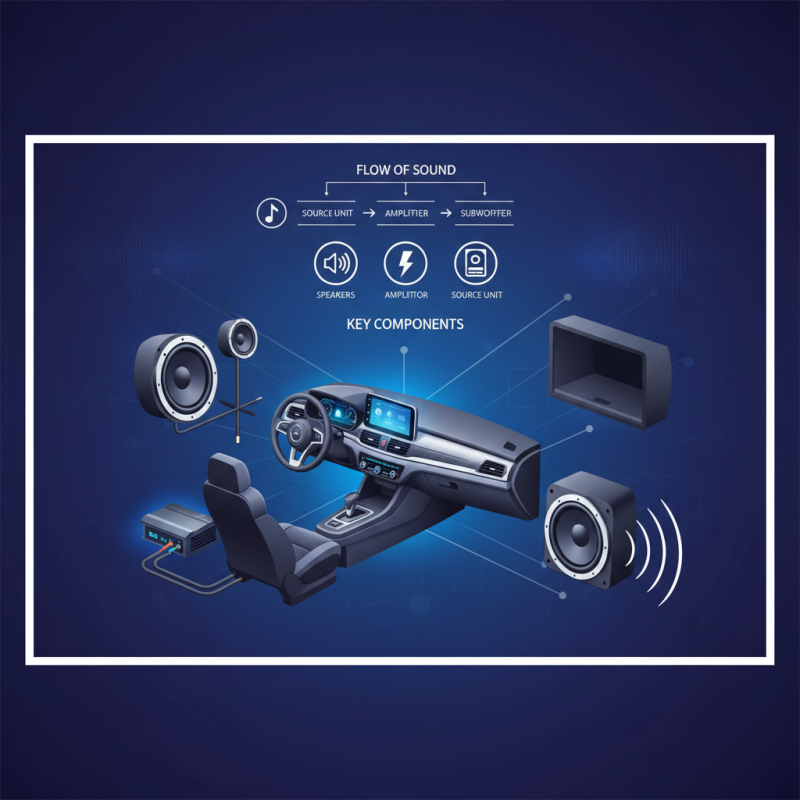
Car audio systems consist of several key components that work together to deliver sound. Each part plays a unique role in enhancing your listening experience. The head unit serves as the control center. It allows you to choose between radio, streaming, or CDs. A quality head unit can improve sound processing, giving it clarity and depth.
Speakers are crucial in this setup. They convert electrical signals into sound waves. Pay attention to their size and power handling. Larger speakers usually produce better bass. However, they might require more space. Subwoofers can add that extra punch. They handle low frequencies, enhancing overall sound quality.
Don’t overlook amplification. An external amplifier can significantly boost power to your speakers. This can prevent distortion at higher volumes. However, many struggle with installation. It's not as straightforward as it seems. You might also need to consider wiring and speaker placement. The aim is to create an immersive audio environment while avoiding unnecessary clutter.
Car Audio System Upgrades: Sound Quality Improvement
Evaluating Your Current Sound Quality and Identifying Weaknesses
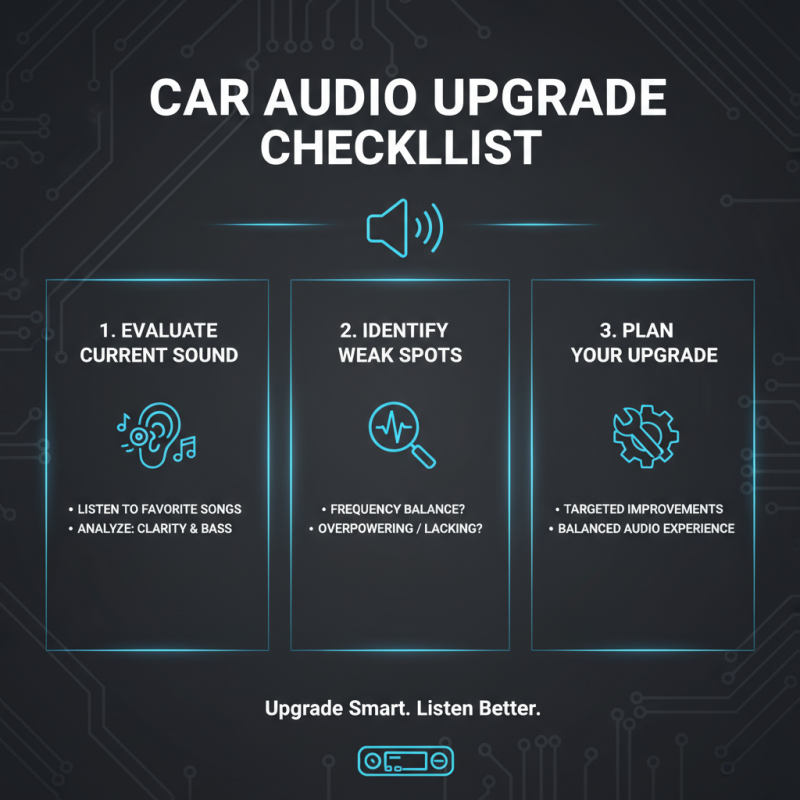
Before upgrading your car audio, you need to evaluate the current sound quality. Take a moment to listen to your favorite songs. Pay attention to clarity and bass. Are certain frequencies overpowering? Does the sound feel balanced? Identifying weak spots is crucial for a successful upgrade.
One common issue is distortion at higher volumes. You might enjoy loud music, but if it sounds muddy, something is wrong. Check your speakers. Are they old or damaged? They can often be the weak link in your audio system. Upgrading speakers can significantly enhance clarity and detail.
Tips: Focus on placement. Ensure speakers are angled correctly for optimal sound. Also, consider adding sound deadening material. This reduces road noise, allowing more focus on your audio experience. Don’t underestimate the impact of a clean installation. Wires should be neat and secure. A tidy setup can prevent interference and improve sound quality.
Choosing the Right Upgrades: Speakers, Amplifiers, and Head Units
Upgrading your car audio system can significantly enhance sound quality. The key components to consider are
speakers, amplifiers,
and head units. A report from the Consumer Technology Association suggests that
quality speakers can improve audio fidelity by up to 50%. This means clearer vocals and deeper bass, making a noticeable difference in your listening experience.
When it comes to speakers, choosing the right type is essential. Full-range speakers offer a broad sound spectrum, but component speakers provide better detail and clarity. A common oversight is the mismatch between speakers and the head unit’s power output.
Potentially, this can lead to distortion and underwhelming sound quality.
Amplifiers are crucial for optimizing performance. A well-matched amplifier can enhance sound dynamics, supporting a range of frequencies. However, installing an amplifier incorrectly can diminish sound quality. According to audio experts, many users overlook proper installation, which can lead to
disappointing results. It's important to double-check wiring and compatibility to ensure the best performance from your upgrades.
Installation Tips for Optimal Performance in Your Audio System
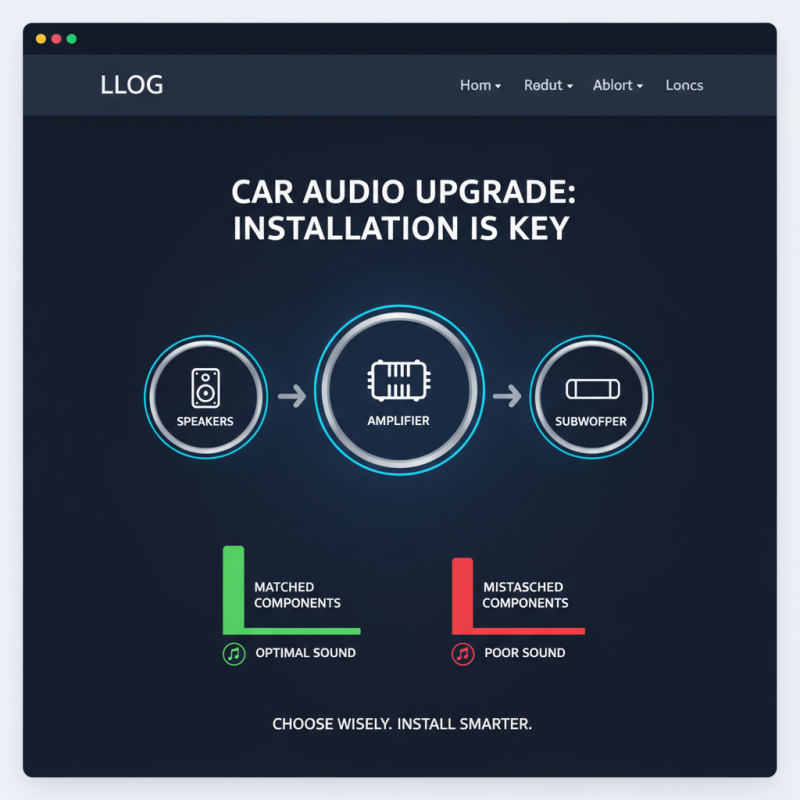
Upgrading your car audio system can seem daunting, but installation is key for optimal performance. Begin by choosing the right components. Speakers, amplifiers, and subwoofers should match well with one another. A mismatched set can lead to disappointing sound quality. Careful selection is crucial.
When installing, pay attention to speaker placement. Positioning affects sound quality significantly. Tweeters should be at ear level. Meanwhile, woofer placement impacts bass response. Seal all connections properly to avoid unwanted vibrations. Remember that sound deadening material improves clarity, reducing road noise interference.
Don’t skip the wiring process. High-quality cables are essential for clear sound. Avoid tangled wires for a cleaner setup. Test everything after installation. It’s a common mistake to overlook small issues. A weak connection can ruin your experience. Listen closely. Aim for balanced sound across all frequencies. Make adjustments as needed. Remember, good audio installation is both a science and an art.
Maintenance and Fine-Tuning for Sustained Sound Quality Improvement
Upgrading your car audio system involves more than just installing new components. Maintenance and fine-tuning play a crucial role in sustaining sound quality. Regularly checking speaker connections can prevent audio issues. A loose wire might lead to distortion, impacting the listening experience. A study by the Consumer Technology Association found that 78% of car audio enthusiasts report improved sound after proper maintenance.
Another key aspect is the equalization of sound settings. Many car audio systems come with built-in equalizers that need fine-tuning. Experimenting with bass, treble, and midrange settings can make a noticeable difference. Research indicates that users who adjust their equalizer settings report up to 30% better sound clarity. Even small adjustments can enhance overall sound quality significantly.
However, self-fine-tuning isn't always straightforward. Over-adjusting can result in an imbalanced sound. A frequently overlooked issue is the acoustics of your vehicle. The shape and materials inside your car can distort sound. A poorly treated space may lead to echoes or muddiness. Recognizing this can lead to a more enjoyable listening experience. Staying aware of these elements can make a meaningful difference in your car audio journey.
How to Upgrade Your Car Audio for Better Sound Quality? - Maintenance and Fine-Tuning for Sustained Sound Quality Improvement
| Upgrade Component |
Description |
Estimated Cost |
Installation Time |
Impact on Sound Quality |
| Head Unit |
Replacing the factory stereo with a higher-quality audio receiver. |
$150 - $500 |
1 - 2 hours |
High |
| Speakers |
Upgrading stock speakers to aftermarket options for clearer sound. |
$100 - $400 |
2 - 4 hours |
Very High |
| Amplifier |
Adding a dedicated amplifier to power the speakers for improved performance. |
$200 - $600 |
2 - 3 hours |
Very High |
| Sound Deadening Material |
Installing sound deadening material to reduce road noise and improve acoustics. |
$100 - $300 |
3 - 5 hours |
Medium |
| Subwoofer |
Adding a subwoofer for enhanced bass response and overall audio depth. |
$150 - $800 |
2 - 4 hours |
High |