Why You Should Use an Electrical Current Tester for Safety?
Electrical safety is a critical concern in both residential and commercial environments. Many people underestimate the risks associated with electrical systems. An Electrical Current Tester is an essential tool that can help mitigate these dangers. By detecting live wires and faulty connections, this tool can prevent severe accidents, including shocks and fires.
Using an Electrical Current Tester enhances safety practices. It empowers individuals to take proactive measures before touching wires. Inexperienced users might overlook the importance of checking circuits. A simple test can reveal hidden hazards, promoting a safer work environment. Relying solely on intuition can lead to mistakes. Awareness is essential in maintaining safety standards.
It's important to choose a reliable tester. Some tools may provide inaccurate readings. Investing in high-quality equipment can significantly reduce risks. Regular testing ensures long-term safety and builds confidence in one’s skills. By incorporating an Electrical Current Tester into your toolkit, you contribute to a culture of safety and responsibility.
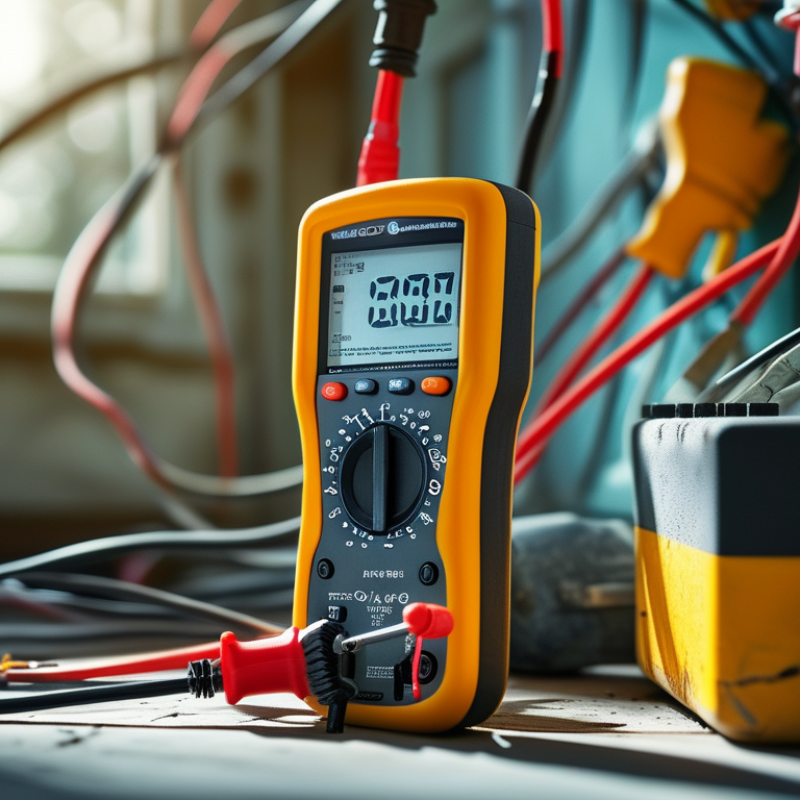
Importance of Electrical Current Testers in Preventing Electrical Hazards
Electrical current testers are crucial for maintaining safety in both residential and commercial environments. According to the National Fire Protection Association, electrical failures cause over 30,000 home fires annually. Testing for electrical current can dramatically reduce these incidents. A simple yet effective step, using these testers can alert you to dangers like shorts or overloads before they lead to catastrophic failures.
The importance of electrical current testers goes beyond fire prevention. They help detect faults that could pose risks of electric shock or injury. The Occupational Safety and Health Administration emphasizes that simple precautions, like using a current tester, can significantly lower accident rates. In many cases, testers are often underutilized, which is concerning given that over 400 fatalities occur each year from electrocutions alone. This lack of awareness calls for better education and reliable access to testing tools.
There are challenges as well. Not everyone knows how to use current testers effectively. Misinterpretation of the readings can lead to unsafe assumptions. Education and proper training are essential to maximize the benefits of these tools. While current testers are readily available, their effectiveness relies heavily on user competency. A tool is only as good as its operator.
Understanding Electrical Safety Standards and Compliance Requirements
Electrical safety standards are crucial for preventing accidents and injuries. These standards outline the requirements for electrical installations, equipment, and testing procedures. Compliance ensures that systems are safe for use, protecting both individuals and property. Regular testing helps identify potential hazards, ensuring that components function correctly.
Understanding compliance requirements can be complex. Guidelines can vary by region and industry, making it essential to stay informed. Many individuals overlook the importance of adhering to these standards, which can lead to dire consequences. A simple error in installation or testing may result in electrical shock or fire hazards.
An electrical current tester is a practical tool for maintaining safety. It helps verify that circuits are functioning properly. Utilizing such testers can prevent small issues from escalating. However, users must understand how to interpret the readings accurately. Misreading test results can lead to unsafe situations. Continuous education on electrical safety practices is vital for everyone, from homeowners to professionals.
Key Features of Reliable Electrical Current Testers for Home Use
When it comes to home safety, using a reliable electrical current tester is crucial. These devices help detect electrical issues before they escalate. A study from the Consumer Product Safety Commission highlights that electrical failures cause about 51,000 fires each year in residential settings. The right tester can prevent these dangerous situations.
Reliable electrical current testers share some key features. First, they must offer clear visual and audible signals for detected current. This immediate feedback is essential for user safety. Many testers also boast a non-contact design, allowing users to handle them without direct contact to live wires. This feature is particularly important for those less experienced in electrical work.
Furthermore, a good tester should measure both AC and DC currents. According to the National Fire Protection Association, this versatility is vital for addressing varied home electrical systems. Users should seek testers with durable construction and safety ratings. Not all models meet these standards, so choosing wisely is critical. Being aware of user feedback, limitations, and potential false positives can improve the overall experience and ensure safety.
Statistics on Electrical Injuries and the Impact of Safety Equipment
Electrical injuries remain a serious concern in various industries. According to the National Institute for Occupational Safety and Health (NIOSH), approximately 1,000 workers die each year from electrical-related incidents. These statistics highlight the necessity of using electrical current testers in workplaces. Even minor errors can lead to significant injuries or fatalities.
Many employees overlook the importance of safety equipment. A report from the U.S. Bureau of Labor Statistics indicates that workers who do not use safety tools are at a higher risk of injury. About 70% of electrical injuries could be prevented with proper safety measures, including current testers. Safety gear may feel cumbersome, but it is crucial for preventing electrical shock and ensuring a secure environment.
The impact of using proper safety equipment cannot be underestimated. Studies show a dramatic decrease in workplace accidents when current testers are utilized. Workers often assume they can rely on intuition, but data reveals that even experienced personnel can make costly mistakes. Emphasizing the use of electrical current testers is vital for improving safety outcomes. Awareness and proactive measures can shift the landscape of electrical safety in the workplace.
Statistics on Electrical Injuries and Safety Equipment Usage
The chart above illustrates the impact of safety equipment on electrical injuries and fatalities. As shown, the incidence of injuries is significantly lower when safety equipment is used, highlighting the importance of utilizing safety measures to prevent electrical accidents.
Best Practices for Using Electrical Current Testers Effectively and Safely
Using an electrical current tester is crucial for ensuring safety in any electrical work. It helps identify live wires and potential hazards. Understanding how to use these testers effectively can prevent dangerous accidents. Always start by checking the tester itself before it makes contact with any wires. This guarantees it is functioning properly.
When you test a circuit, wear appropriate personal protective equipment. Gloves and safety glasses can protect you from unexpected electrical shocks. Make sure to maintain a safe distance from the area you are testing. Always assume wires are live until verified otherwise, even if the power is turned off.
Improper use of current testers can lead to serious mistakes. It’s essential to read the user manual thoroughly. Sometimes testers can give false readings or fail to detect lower voltages. Regular training on proper techniques is beneficial and reinforces safe practices. Stay alert and focused while working. Distractions can lead to oversights that result in dangerous situations.