
Why Upgrade Your Car Audio System?
A car audio system shapes more than the soundtrack on your commute. It can make spoken directions easier to hear, bring vocals into clearer focus, and add depth to familiar songs. Yet a new stereo is not automatically the answer. Road noise, worn speakers, phone connections, and the way a vehicle is built can all affect what you hear. Small details matter. A loose door panel can buzz against a bass note, while a poorly matched speaker may sound harsh at higher volume.
Upgrading can mean replacing speakers, improving the head unit, adding an amplifier, or treating noisy doors. Each choice has trade-offs in cost, installation time, and sound. More bass is not always better. It can even hide the detail you wanted to hear. A sensible plan starts with the problem: Are voices unclear? Does music distort when turned up? Are wireless features missing? Check vehicle compatibility and power requirements before buying parts; a qualified installer can help with complex wiring. The ideal setup varies by car, listening habits, and budget. This guide looks at why an upgrade may be worthwhile, which components can make a noticeable difference, and how to choose improvements without chasing specifications alone. And one honest caveat: better equipment cannot fix every noisy cabin.
Understanding the Limitations of Factory Audio Systems
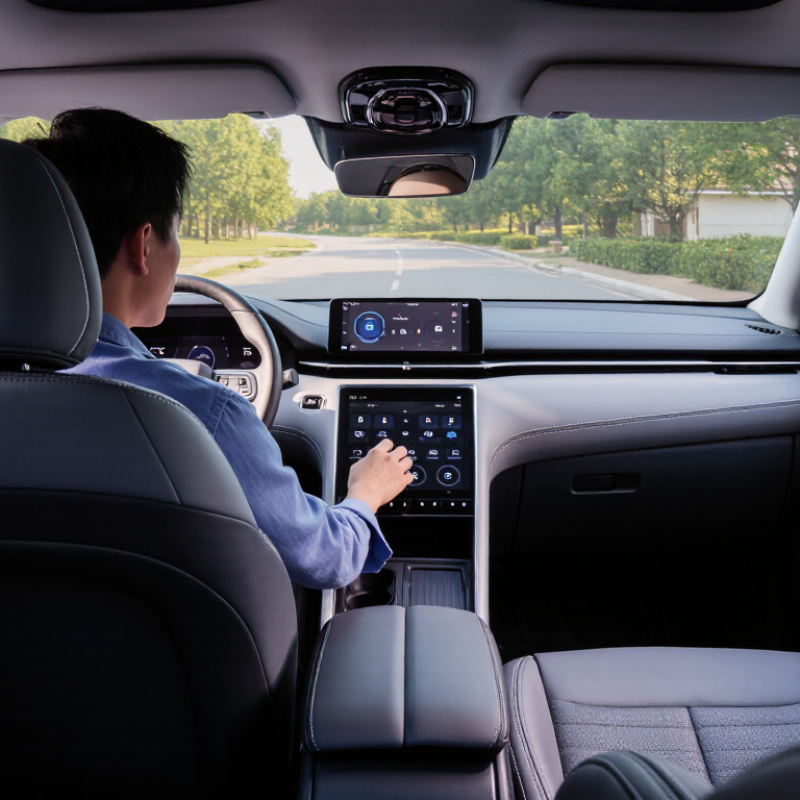
Factory audio systems are designed to serve many drivers at a controlled cost. That often means modest speakers, limited amplifier power, and equalization tuned for the original cabin. The result can sound thin: cymbals lose detail, vocals blur, and bass fades when road noise rises. The limitation is not always the speakers alone. Door panels, wiring, and factory processing shape what you hear.
J.D. Power’s 2024 U.S. Initial Quality Study recorded 49.1 infotainment problems per 100 vehicles, making infotainment the most frequently reported problem category. Its 2023 study reported 49.9. These figures cover infotainment broadly, not audio quality alone, so they should not be read as a direct measure of sound performance. Still, they show how factory systems can frustrate owners through usability and integration issues.
There is a practical gap. A built-in system may lack a useful equalizer, clean upgrade paths, or enough output for clear listening at highway speed. Small factory speakers can also struggle with deep bass without distortion. Yet replacing everything is not automatically better. Poorly matched components or careless installation may create rattles, uneven sound, or lost functions. Sometimes, one carefully chosen upgrade reveals more than a full system overhaul.
Why Upgrade Your Car Audio System? — Understanding the Limitations of Factory Audio Systems
| Audio Dimension | Common Factory-System Limitation | What an Upgrade Can Improve | What to Check Before Upgrading |
|---|---|---|---|
| Speaker clarity | Some standard speakers may sound strained or less clear at higher listening levels, depending on their design and condition. | Better-matched speakers can improve vocal detail and reduce distortion when properly installed and powered. | Speaker size, mounting depth, impedance, wiring, and whether adapters are needed. |
| Bass response | Small door speakers often have limited ability to reproduce deep bass. | A suitable subwoofer can add lower-frequency output without requiring the door speakers to handle as much bass. | Available space, enclosure type, electrical requirements, and secure mounting. |
| Amplifier power | The built-in amplifier may have limited output for listeners seeking higher volume or greater dynamic range. | An external amplifier can provide more controlled power when matched to the speakers and installed correctly. | Speaker power handling, amplifier output, vehicle charging capacity, and signal compatibility. |
| Equalization and sound tuning | Factory tone controls may offer only basic adjustments, and cabin acoustics can affect how sound is perceived. | A capable equalizer or digital signal processor can allow more precise adjustment of frequency balance and speaker timing. | Available audio outputs, tuning expertise, and whether the original system uses factory equalization. |
| Audio source compatibility | Older or basic systems may have fewer built-in options for connecting modern devices. | A compatible receiver or interface may add features such as hands-free calling, device integration, or additional inputs. | Vehicle-specific wiring, steering-wheel controls, factory displays, and other integrated functions. |
| Listening preferences | A factory system is generally designed as a broad, vehicle-wide solution rather than for every listener’s preferred sound. | Choosing components for particular priorities—such as clearer vocals, stronger bass, or more adjustment—can tailor the experience. | Set priorities and budget first; replacing every component is not always necessary. |
| Installation and vehicle integration | Factory systems may be connected to vehicle controls or other built-in electronics, making removal or replacement more involved. | A properly planned installation can retain useful vehicle functions while adding or replacing audio components. | Airbag and safety-system wiring, factory amplifiers, warning chimes, data connections, and professional installation needs. |
| Overall value | Sound quality and features vary widely between vehicles, trims, and model years; a factory system is not necessarily inadequate. | A targeted upgrade can address specific shortcomings without replacing the entire system. | Assess the current system first and compare expected improvements with component and installation costs. |
Factory-system capabilities vary by vehicle and trim. Compatibility, installation requirements, and the audible results depend on the specific vehicle, components, and setup.
Related Posts
-
Exploring Innovations in Car Sound Systems at the 138th China Import and Export Fair 2025
-
Top Quality Car Sound Systems for Global Buyers?
-

Top 10 Vehicle Speakers for Exceptional Sound Quality?
-

Why You Need Subwoofer Speakers for an Enhanced Audio Experience
-
Best Subwoofer for Car to Enhance Your Audio Experience?
-
Why Do You Need Car Audio Amplifiers for Superior Sound?