
What Is the Best Car Audio System from China?
Choosing the best car audio system from China requires more than counting speakers or quoting maximum power. A convincing evaluation must examine sound balance, amplifier quality, digital signal processing, installation support, warranty service, and compatibility with the vehicle’s original electronics. China’s automotive market gives this question unusual importance. The China Association of Automobile Manufacturers reported 31.44 million vehicle sales in 2024, including 12.87 million new-energy vehicles. More vehicles mean more demand for refined in-car entertainment.
Market data also shows why careful comparison matters. Grand View Research identifies automotive infotainment as a growing global market, driven by connected vehicles, larger displays, and integrated digital platforms. S&P Global Mobility regularly highlights software integration and user experience as major factors in modern vehicle ownership. However, these reports do not prove that expensive audio always sounds better. They describe market direction, not the quality of every product.
A strong car audio system should create clean vocals, controlled bass, and a stable soundstage at normal listening levels. In a quiet electric vehicle, a faint amplifier hiss can become obvious. In a family SUV, door vibration may blur bass notes before the speaker reaches its limits. Chinese brands now offer component speakers, DSP amplifiers, subwoofers, and vehicle-specific upgrades at different price levels. Some products are impressively engineered. Others rely too heavily on dramatic specifications. My own judgment could still miss long-term reliability, especially when independent testing is limited. This guide compares practical performance, technical evidence, installation risks, and after-sales support to identify the most dependable choices—not merely the loudest ones.
What Defines the Best Car Audio System from China?
What Is the Best Car Audio System from China?
What Defines the Best Car Audio System from China?
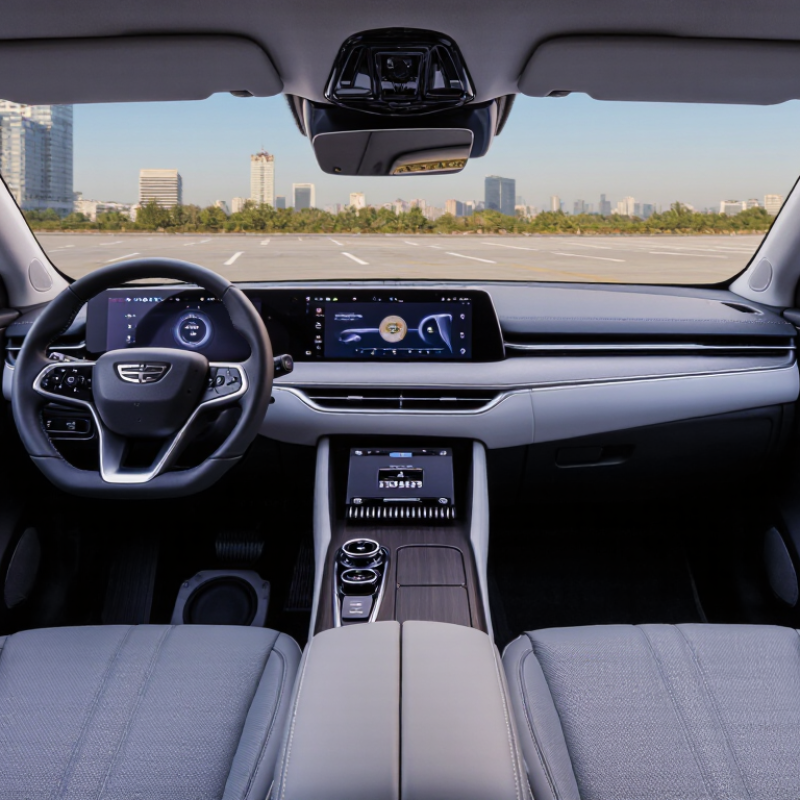
The best car audio system from China is not defined by screen size or speaker count. It begins with clean engineering and proper vehicle integration. An experienced installer checks the dashboard shape, factory wiring, cabin noise, and available amplifier space before fitting anything.
I have heard systems with powerful bass but harsh vocals at normal volume. That is not genuine quality. A reliable setup should produce clear speech, controlled low frequencies, and balanced instruments from every seat. Digital signal processing helps, but only when technicians measure the cabin and tune each channel carefully. A microphone, test tracks, and patient adjustments matter more than impressive specifications.
Small details reveal professional work. Connectors should fit firmly, wires need protection, and the amplifier must have enough ventilation. The display should remain readable in bright sunlight and respond quickly during daily driving. Good products also provide accurate manuals, stable software, warranty support, and replacement parts. These factors show accountability beyond the sales page.
My own judgment has changed over time. I once valued deep bass too highly. After longer drives, listening fatigue became obvious. A slightly less dramatic system often feels better after two hours. Even careful testing has limits because music preferences differ. The strongest choice is therefore the system that matches the vehicle, the listener, and the quality of local installation.
What Is the Best Car Audio System from China? - What Defines the Best Car Audio System from China?
| Evaluation Dimension | Recommended Standard for a High-Quality System | Why It Matters | Practical Verification Method |
|---|---|---|---|
| System Architecture | A coordinated system containing speakers, amplifier channels, digital signal processing, and optional subwoofer integration. | Balanced component matching is more important than selecting one powerful component. | Confirm that the power rating, impedance, crossover settings, and speaker sensitivity are compatible. |
| Sound Accuracy | Smooth frequency response, controlled bass, clear vocals, and natural treble without obvious harshness. | Accurate reproduction allows the listener to hear more of the original recording. | Use familiar recordings and listen for tonal balance at low, medium, and high volume levels. |
| Digital Signal Processing | A DSP with adjustable equalization, time alignment, crossover frequency, slope, phase, and channel level. | Vehicle cabins create reflections and delays that require precise correction. | Check whether each channel can be tuned independently and whether settings can be saved and restored. |
| Amplifier Performance | Clean continuous power with low audible distortion and sufficient headroom for the selected speakers. | Adequate headroom reduces clipping and preserves clarity during musical peaks. | Compare continuous RMS power at the actual speaker impedance rather than relying only on peak-power figures. |
| Speaker Configuration | A properly installed component speaker layout with separate midrange drivers and tweeters where the vehicle allows. | Separate drivers can improve stereo imaging and frequency coverage when correctly positioned. | Check mounting depth, mounting diameter, polarity, grille clearance, and the crossover arrangement. |
| Bass Reproduction | A sealed or well-tuned subwoofer enclosure with controlled low-frequency output and correct phase alignment. | Deep bass should add weight without masking vocals or producing cabin rattles. | Listen for even bass across seating positions and verify that the subwoofer blends with the front speakers. |
| Factory-System Integration | Compatibility with factory head units, vehicle warning tones, steering-wheel controls, and original safety-related functions. | Good integration improves usability and avoids unnecessary replacement of the original interface. | Test Bluetooth, navigation prompts, parking alerts, hands-free calls, volume controls, and system start-up behavior. |
| Installation Quality | Rigid speaker mounting, secure wiring, correct polarity, protected power cables, and appropriate fuse placement. | Installation directly affects noise, imaging, reliability, and electrical safety. | Inspect fasteners, cable routing, grounding points, waterproofing, panel fitment, and fuse accessibility. |
| Noise and Vibration Control | Targeted damping on doors and panels without blocking drainage paths or interfering with airbags and service access. | Reducing panel resonance can improve midbass and reduce unwanted rattles. | Drive on different road surfaces and check for buzzing, rattling, wind noise, and loose trim. |
| Thermal and Electrical Reliability | Stable operation across normal vehicle voltage variation, with adequate ventilation and protection against overheating. | A system that sounds good but overheats or overloads is not a dependable long-term solution. | Check amplifier temperature, battery-voltage behavior, protection indicators, and performance after extended use. |
| Tuning and Calibration | Professional calibration using measurement equipment, followed by listening-based adjustment. | Correct tuning can produce a larger improvement than simply adding more expensive hardware. | Request before-and-after response measurements and verify the final listening position and saved DSP profile. |
| Value and After-Sales Support | Transparent specifications, documented compatibility, replaceable parts, clear warranty terms, and accessible technical support. | Long-term support reduces ownership risk and protects the installation investment. | Review the written warranty, service process, software-update policy, and availability of replacement components. |
Related Posts
-

Top 10 Car Audio Subwoofers for Deep Bass in 2023 with Expert Ratings and Buyer Insights
-

Top 5 Best Car Audio Systems to Elevate Your Driving Experience in 2023
-
How to Choose the Best Audio System for Your Car?
-
10 Best Vehicle Audio Systems for Superior Sound Quality
-
2026 Best Car Audio System Features You Must Know?
-

How to Choose the Best Car Media for Global Sourcing?