Download the 2025 Focal Car Catalogue | Focal INSIDE Catalogue | Join our Mailing List!

What Are the Top Car Audio Systems in 2026?

Choosing among the top car audio systems in 2026 takes more than comparing wattage or counting speakers. A useful system should suit the vehicle, listening habits, and budget. It should also deliver clear vocals, controlled bass, and dependable phone connectivity without overwhelming the dashboard. Small details matter. Can the touchscreen be read in daylight? Do podcasts remain clear over road noise? Does the system need extra wiring or professional installation?

This guide compares key options by sound quality, compatibility, features, installation demands, and manufacturer support. It also considers how speakers, amplifiers, receivers, and subwoofers work together. A powerful amplifier alone does not guarantee balanced sound. Neither does a premium price. People searching “audio system car audio” need practical guidance, not a list of impressive specifications. Still, no single ranking can suit every car or listener. Factory equipment, cabin size, music preferences, and local product availability can change the result. Recommendations should be checked against current model details and warranty terms, since product lineups may change during the year. Some comparisons will remain imperfect; listening conditions vary, and published specifications do not capture every real-world difference. The goal is a clear starting point: identify systems worth considering, understand their trade-offs, and choose an upgrade that sounds right in your own car.
What Are the Top Car Audio Systems in 2026?

Defining a Top Car Audio System in 2026

A top car audio system in 2026 is not simply the loudest one. It should play cleanly at everyday listening levels, preserve clear vocals, and keep bass controlled when the road gets rough. Good tuning matters. Sound should feel balanced from the driver’s seat, not impressive only during a showroom demonstration.

The 2024 J.D. Power U.S. Initial Quality Study recorded 49.1 infotainment problems per 100 vehicles, making infotainment the most problem-prone category in the study. That figure covers more than audio, but it highlights a practical test: a system must connect reliably and respond without distracting delays. Sound quality also deserves measurable checks, including amplifier output, distortion, and speaker frequency response. Numbers help, but they do not describe how voices sound at low volume.

A careful evaluation should include spoken audio, acoustic music, and bass-heavy tracks. Listen for sharp treble, muddy vocals, and door-panel rattles. Then check whether controls are usable without taking attention from driving. There is no perfect score. Cabin shape, seat position, and personal hearing change the result, so one person’s “balanced” may feel thin to another. That uncertainty is real, and it deserves more attention than a glossy feature list.

Key Components of Modern Car Audio Systems

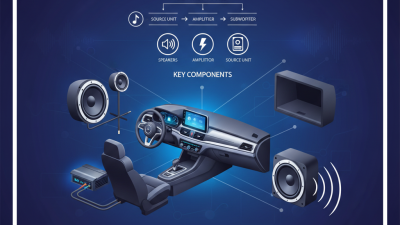
Modern car audio systems work as a chain of components, not a single impressive-looking screen. The head unit provides the source and controls, while a digital signal processor adjusts timing, tone, and balance for the cabin. An amplifier supplies clean power, and speakers turn that signal into sound. A subwoofer handles deep bass, but it should blend with the other speakers rather than overpower them. Small details matter.

Tips: Start with the speakers and amplifier that match your listening habits and vehicle. Check available space, wiring, and power requirements before buying. Listen from the driver’s seat, then make small adjustments; dramatic bass settings can hide muddy vocals.

Placement and installation affect results as much as component choice. A door panel can rattle when bass hits, while road noise may mask quieter details. Secure mounting and modest sound treatment can help, though added material has limits. I sometimes find it tempting to chase more bass; a balanced system often makes long drives easier. Listen to familiar music at a comfortable volume, and keep expectations realistic: every cabin sounds different.

What Are the Top Car Audio Systems in 2026? - Key Components of Modern Car Audio Systems

System Configuration Typical Amplifier Output Speaker Layout Bass Component Signal Processing Connectivity and Features Best Suited For
Factory-Integrated Upgrade Approximately 15–25 W RMS per channel Four to six full-range speakers, often with separate front tweeters Optional compact subwoofer, typically powered and installed in the cabin or cargo area Basic equalization and vehicle-specific integration Retains the original dashboard interface; may support wired or wireless phone connectivity, depending on the vehicle Drivers seeking clearer sound while keeping the original controls and appearance
Balanced Multi-Channel System Approximately 40–75 W RMS per channel Four to eight speakers, with component speakers commonly used in the front One 8- or 10-inch subwoofer in a sealed or vented enclosure Multi-channel digital signal processor with crossover, equalization, and time alignment Can integrate with a factory or aftermarket source unit; Bluetooth and USB audio are common Listeners wanting a clear, full-range improvement for everyday music
High-Resolution Sound-Focused System Approximately 75–150 W RMS per amplified channel Three-way front stage or carefully matched component speakers, with optional rear fill One or two 10- or 12-inch subwoofers, adjusted to complement the front speakers Advanced DSP with independent channel tuning, crossover control, and time alignment High-quality digital input and lossless playback support depend on the source unit and audio files Listeners prioritizing imaging, detail, and accurate reproduction from the front seats
Compact Space-Saving System Approximately 30–75 W RMS per channel, often from a compact multi-channel amplifier Four upgraded door speakers or a front component set with rear fill Under-seat powered subwoofer or a small sealed enclosure Basic DSP or amplifier filtering to balance the compact subwoofer with the speakers Designed to use limited cabin and cargo space; installation options vary by vehicle Small vehicles and owners who want stronger bass without a large enclosure
High-Output Performance System Approximately 100–300+ W RMS per channel, selected to match speaker ratings High-sensitivity front components, with additional speakers only where needed One or more 12-inch subwoofers in a properly designed enclosure DSP-based tuning, amplifier gain setup, and crossover configuration are essential May require upgraded power wiring, electrical-system assessment, and careful integration Listeners seeking high playback levels and powerful bass; professional installation is advisable

Specifications are representative ranges, not rankings or guarantees. Actual output, speaker count, connectivity, and fitment vary by vehicle and system design. Compare continuous RMS power, speaker impedance, available installation space, and electrical requirements when planning an upgrade.

Main Types of Car Audio Systems Available

Car audio systems usually begin as factory-installed setups, designed to fit a vehicle’s dashboard, wiring, and speaker locations. They are convenient and often simple to use, but sound quality and adjustment options vary. A replacement receiver can add clearer controls and useful connections, though it must match the vehicle’s wiring and dashboard opening. Compatibility matters.

Speaker-based upgrades include coaxial speakers, which combine several sound drivers in one unit, and component systems, which separate the drivers for more flexible placement. Component systems can create clearer detail near the front seats, but installation takes more planning. Small details count. A door panel that rattles can spoil an otherwise careful upgrade.

Amplified systems add power for speakers or a subwoofer, while a digital sound processor adjusts timing and frequency levels. These options can improve balance, but more equipment does not automatically mean better sound. I would check speaker fit, power requirements, and listening preferences before choosing; it is easy to overlook cabin noise. A modest setup may suit everyday driving better than a complicated one.

What Are the Top Car Audio Systems in 2026?

Main Types of Car Audio Systems Available

Car audio setups commonly combine full-range speakers, component speakers, and a subwoofer. This chart shows approximate frequency bands commonly handled by different speaker roles; actual ranges depend on the speakers and crossover settings.

Frequency ranges are illustrative, not fixed specifications or a ranking. Speaker capabilities and crossover points vary by system.

How to Compare Sound Quality, Features, and Value

Comparing car audio systems in 2026 takes more than counting speakers or chasing high wattage. Listen for clear vocals, controlled bass, and detail at everyday volume. Try familiar music from the driver’s seat, then check whether sound remains balanced in the rear. Small cabin details matter: a door panel that rattles can spoil an otherwise strong system. It happens.

Features should solve real problems. Check whether the system supports your phone, offers simple physical controls, and lets you adjust equalization and speaker balance. More settings are not automatically better; confusing menus can distract you while driving.

J.D. Power’s 2024 U.S. Initial Quality Study recorded 49.9 infotainment problems per 100 vehicles, making infotainment the most reported problem area. That measure covers more than audio, so it is not a direct sound-quality score. Still, it highlights why usability belongs in the comparison.

For value, compare systems at similar vehicle prices and account for included upgrades, not just speaker counts. Ask to hear the system before purchase, using music you know well. Listen at low and moderate volume, where weak vocals or harsh treble can become obvious. A quick showroom test has limits. Cabin acoustics, road noise, and personal preference all change the experience, and a specification sheet cannot settle every difference.

Vehicle Compatibility and Installation Considerations

In 2026, the best car audio system is not necessarily the one with the largest screen or most features. It is the one that fits your vehicle and works with its existing electronics. Check the dashboard opening, mounting depth, and available space behind the panel before choosing a receiver. Small details matter. A shallow dash can limit speaker options, while a larger display may block vents or important controls.

Confirm compatibility with the vehicle’s wiring, factory amplifier, steering-wheel buttons, and backup camera. Some cars use integrated systems that control climate settings or display vehicle information. Replacing the receiver without suitable adapters can disable functions you expected to keep. Match speaker impedance and power handling to the system, too; impressive wattage claims alone do not guarantee clean sound. Measurements and wiring details are easy to overlook.

Installation needs vary. A straightforward speaker swap may require only basic tools, but complex dashboards can involve trim removal, careful cable routing, and system configuration. Keep cables clear of pedals and moving parts, and avoid pinching wires behind the dash. A professional installer can check connections and prevent rattles, especially when adding an amplifier or subwoofer. Even with careful planning, fitment guides can miss small differences between model years, so verify the exact vehicle configuration before ordering.