Top Component Speakers for Global Buyers?
Choosing the top component speakers for global buyers requires more than chasing a famous brand. It requires careful listening, technical comparison, and honest attention to installation conditions. A speaker that sounds open and detailed in a European showroom may behave differently inside a compact vehicle in Southeast Asia. Door materials, cabin size, amplifier power, climate, and mounting depth all matter.
Dr. Floyd Toole, a respected authority in loudspeaker research, wrote, “The goal of high-fidelity sound reproduction is to recreate the original sound field.” That principle gives this guide a practical direction. We examine component speakers by their real-world performance, not by exaggerated packaging claims. Sensitivity, impedance stability, crossover design, tweeter adjustment, and woofer construction deserve close inspection. A smooth response can reveal vocals clearly, while a poorly matched crossover may make cymbals sound sharp. Small details matter.
There is no perfect model for every buyer. That is worth admitting. Some listeners want strong midbass from a factory head unit. Others need high power handling for an aftermarket amplifier. Global buyers also face different availability, warranty support, language labeling, and installation standards. We compare these concerns with measurable specifications and listening experience. We also consider how a speaker performs after several hours, when fatigue becomes obvious.
Expect useful contrasts, not absolute winners. The best choice may be affordable, locally supported, and easy to install. Sometimes, less is more. This introduction frames the comparison for informed purchasing across markets, vehicle types, and realistic budgets.
What Defines a High-Quality Component Speaker System?
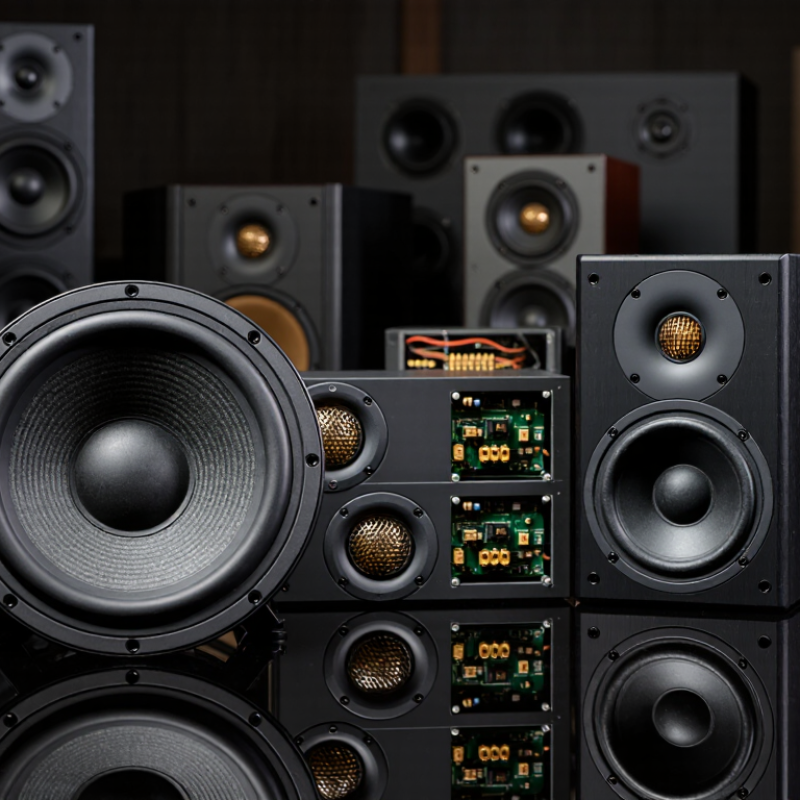
A high-quality component speaker system begins with accurate sound, not impressive packaging. The tweeter should reveal cymbals without harshness, while the woofer must produce firm, controlled mid-bass. A properly tuned crossover keeps these drivers from competing.
In real installations, mounting depth, door sealing, and speaker positioning often matter more than peak wattage.
Power handling needs careful interpretation. Continuous RMS ratings are more useful than maximum power claims because they describe sustained performance.
The Consumer Technology Association’s 2024 industry data shows continued consumer spending on connected vehicle technology, increasing expectations for reliable in-car audio. However, louder is not automatically better. Poor tuning can make a costly system tiring within minutes.
Material choices also deserve scrutiny. A rigid cone can improve detail, but excessive stiffness may create unwanted resonance. Silk or textile tweeters often sound smoother, though preferences differ by cabin and listener.
Independent testing remains important. The Automotive Audio Market analysis published by Grand View Research identifies growing demand for upgraded vehicle sound systems, yet many buyers still judge quality from specifications alone. That is a weak shortcut.
Listen for vocal clarity at moderate volume, check tonal balance from both front seats, and inspect installation tolerances.
Even excellent components can disappoint when doors leak air or wiring is undersized. There is no perfect system; the cabin always changes the result.
Key Speaker Types and Their Performance Characteristics
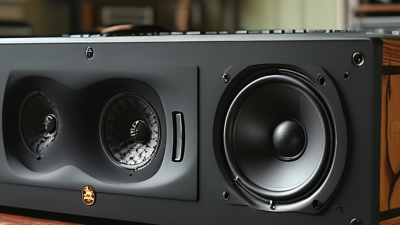
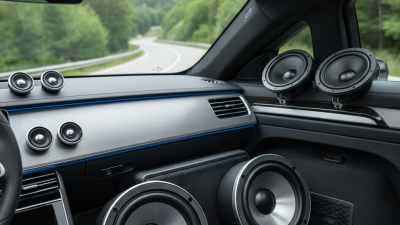
For global buyers, component speakers should be judged by design, not packaging. A two-way set pairs a midwoofer with a separate tweeter. It usually delivers clear vocals and simpler installation. A three-way set adds a dedicated midrange driver. This can improve vocal placement, but it needs more space and careful tuning. Woofer materials affect character: treated paper often sounds warm, while metal can reveal more detail. Those descriptions are tendencies, not guarantees.
In real vehicle installations, sensitivity and impedance matter as much as frequency range. Higher sensitivity can produce useful volume from modest amplifier power. A stable impedance helps the amplifier work predictably. Listen for controlled bass, clean consonants, and smooth treble at moderate volume. Some sets sound impressive for five minutes, then become tiring. Published distortion data and independent measurements can expose that weakness. Fit also matters. A shallow woofer may suit a thin door, while a large magnet may require a spacer. Excellent drivers can underperform when the door panel remains unsealed.
Tips: Compare sensitivity ratings measured by the same standard. Check mounting depth, cutout diameter, and crossover dimensions before ordering. Ask for impedance curves when available. They reveal difficult frequency regions. Use familiar recordings, not only showroom tracks. Keep expectations realistic; cabin reflections can change the result dramatically. I would also leave room for adjustment, because the “perfect” voicing rarely survives every vehicle.
Top Component Speakers for Global Buyers
Key speaker types and their typical performance characteristics
| Speaker Type |
Typical Operating Range |
Typical Continuous Power |
Primary Role |
| Tweeter |
2–20 kHz |
10–150 W |
High-frequency detail |
| Midrange |
300 Hz–5 kHz |
20–200 W |
Vocals and instruments |
| Woofer |
40 Hz–2 kHz |
30–500 W |
Mid-bass and bass |
| Full-Range Driver |
60 Hz–18 kHz |
15–250 W |
Single-driver broadband sound |
| Subwoofer |
20–200 Hz |
100–1,000 W |
Low-frequency reinforcement |
Sensitivity indicates the approximate sound-pressure level produced from 1 watt at 1 meter. Higher sensitivity generally allows greater acoustic output from the same amplifier power. The figures represent typical industry ranges; actual performance varies with enclosure design, impedance, crossover settings, and measurement conditions.
Global Compatibility, Installation Needs, and Buyer Considerations
Top Component Speakers for Global Buyers?
Global Compatibility, Installation Needs, and Buyer Considerations
Choosing component speakers for an international vehicle market requires more than comparing power ratings. Check impedance, sensitivity, mounting depth, and crossover compatibility with the factory audio system. A speaker with high power handling may sound weak without a suitable amplifier. Factory head units often deliver less power than buyers expect.
Measure twice. Door depth varies between vehicle versions, even within one model year. Confirm the basket diameter, screw locations, grille clearance, and window movement before ordering. Some installations need adapter rings, wiring converters, or foam sealing. These small parts can prevent rattles and water-related damage. In my installation experience, poor sealing causes more complaints than modest speaker performance.
Tuning also depends on the cabin. A bright tweeter may sound detailed in one vehicle but harsh in another. Adjustable tweeter levels can help, although they do not fix every acoustic problem. Buyers should check local fitment data, return policies, and available technical support. Imported kits may include unfamiliar connectors or incomplete instructions. That is inconvenient, not necessarily a defect. Professional installation is sensible when factory electronics, airbag wiring, or complex door panels are involved. I would not choose by wattage alone. Listening preferences, climate, road noise, and maintenance habits deserve equal attention.
Leading Component Speaker Options for Different Use Cases
Top Component Speakers for Global Buyers?
For daily commuting, choose a balanced two-way component set with a 6.5-inch woofer. It usually fits common door locations and delivers controlled midbass. Sensitivity above 88 dB can reduce amplifier demands. According to Grand View Research, the global automotive audio market was valued at approximately USD 7.3 billion in 2023. That growth reflects stronger demand for clearer in-car listening, not simply louder systems. Different markets still require different priorities. Compact cars need shallow baskets. Larger vehicles can accept deeper drivers and stronger low-frequency output.
For touring vehicles, a three-way system may offer better vocal placement and smoother detail. A dedicated midrange can reduce strain on the woofer. Look for a crossover with adjustable tweeter levels. Small changes matter. In hot climates, buyers should inspect voice-coil materials and surround durability. For cold regions, flexible suspension materials deserve attention. MarketsandMarkets projects continued growth in automotive audio through 2028, driven partly by connected and upgraded cabin systems. However, published forecasts describe markets, not guaranteed sound quality.
Installation remains the decisive variable. A well-designed speaker can sound thin when mounted against a loose door panel. Sound-deadening treatment, correct polarity, and careful tweeter aiming often outperform expensive specifications. I have found that factory head units can limit dynamic range more than expected. That limitation is easy to overlook. Frequency-response charts also deserve caution, because cabin reflections change the listening result. Buyers should compare impedance, mounting depth, warranty terms, and local service support before choosing equipment. Datasheets help, but real installation conditions remain imperfect.