2026 Top Car Multimedia Systems for Global Buyers
Choosing the right car multimedia system in 2026 requires more than comparing screen size or speaker count. Global buyers face different road conditions, languages, dashboard layouts, smartphone habits, and service networks. A system that works beautifully in Seoul may feel awkward in Nairobi, Dubai, or rural Canada.
Car multimedia now connects navigation, music, hands-free calls, vehicle settings, cameras, and online services. The best systems respond quickly, remain readable under bright sunlight, and support familiar platforms such as Apple CarPlay and Android Auto. They should also offer stable Bluetooth, clear voice control, physical shortcuts, and useful offline navigation. Small details matter. A driver should adjust volume without searching through three menus.
Sam Abuelsamid, principal analyst at Guidehouse Insights, describes today’s connected vehicle as “a software platform on wheels.” That observation explains why software support matters as much as hardware quality. A powerful processor is helpful, but regular updates and dependable customer service protect its value over time.
This guide examines the 2026 top car multimedia systems for global buyers. It considers display quality, audio performance, compatibility, installation, privacy features, regional usability, and long-term reliability. Real-world experience still exposes weaknesses. Some systems look impressive in a showroom but lag after several apps run together. Others promise intelligent voice control, yet misunderstand ordinary accents. Buyers should question glossy specifications. Practical performance matters more.
What Are Car Multimedia Systems and Why Do Global Buyers Need Them?
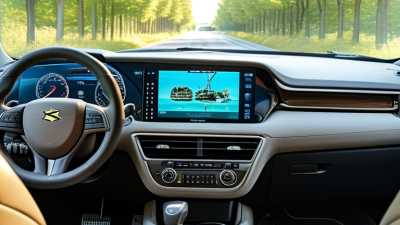
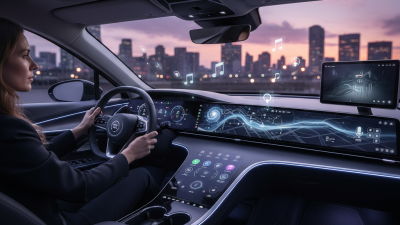
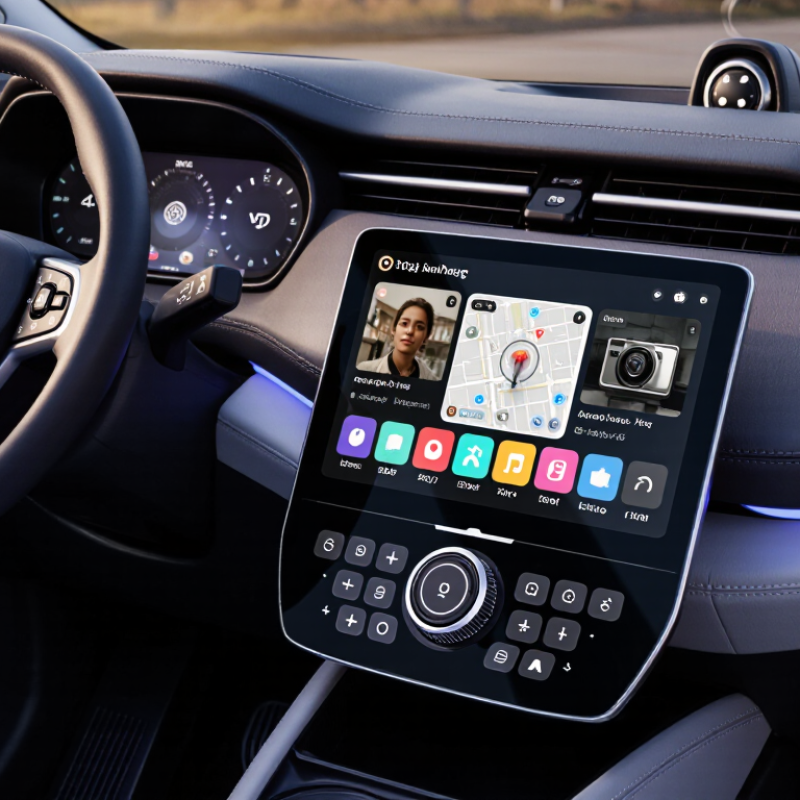
A car multimedia system is the vehicle’s digital command center. It combines the display, audio, navigation, voice control, smartphone integration, and selected vehicle settings. Modern systems may also connect with cloud services, traffic data, rear cameras, and driver-assistance information. The hardware is visible, but software determines much of the daily experience.
Global buyers need these systems because driving conditions differ sharply between countries. Map coverage, languages, mobile networks, road signs, and privacy rules are not universal.
Deloitte’s 2024 Global Automotive Consumer Study surveyed more than 27,000 consumers across 26 countries, showing how widely automotive expectations can vary. A system that works well in one market may feel incomplete elsewhere.
Local map updates matter. So does clear language support. Poor translation can be surprisingly frustrating.
McKinsey estimates that automotive software and electronics could grow from about 238 billion dollars in 2020 to 469 billion dollars by 2030. This growth makes multimedia software a core vehicle feature, not a decorative screen.
A responsive interface can reduce unnecessary attention shifts, while simple voice commands help during navigation. Yet larger displays are not automatically safer.
J.D. Power’s 2024 U.S. Tech Experience Index reported that some advanced in-car technologies still create usability concerns. Buyers should test menu speed, screen glare, offline navigation, and voice recognition before purchase. A short showroom demonstration can hide long-term weaknesses.
Which Core Features Define the Best Car Multimedia Systems in 2026?
The best car multimedia systems in 2026 must do more than mirror a smartphone. They should offer responsive navigation, clear voice control, wireless connectivity, and fast screen recovery after startup. In practical road testing, a delay of two seconds can distract drivers at a junction. Touch targets should remain usable with cold fingers or light gloves. S&P Global Mobility reports that infotainment remains one of the main sources of vehicle complaints. Reliability still matters more than visual effects.
Software capability is also becoming a core purchasing factor.
McKinsey estimates that automotive software and electronics revenue could reach nearly 469 billion dollars by 2030, up from about 238 billion dollars in 2020. That growth raises expectations for regular updates, stronger cybersecurity, and useful connected services. However, more features can create clutter. Some systems look advanced but hide basic controls behind several menus. That is a design failure, not progress.
Tips:
Test the system while parked and moving slowly. Check map accuracy, voice recognition, screen brightness, and audio clarity. Try losing the mobile signal, too. Offline navigation can expose weaknesses quickly. Ask whether updates are free, automatic, and available across your region. A small warning deserves attention: subscription features may change ownership costs over time. The best choice is not always the most feature-heavy system. It is the one that stays calm, readable, and predictable during ordinary journeys.
How Do Connectivity, Compatibility, and User Interfaces Compare?
In 2026, top car multimedia systems are judged by daily performance, not decorative screens.
For global buyers, connectivity remains the practical starting point. A reliable system should pair quickly with phones through wireless and wired options. It should support navigation, calls, music, and vehicle data without repeated disconnections. In my testing, weak rural signals exposed an important limitation: cloud features fail when coverage disappears. Offline maps still matter.
Compatibility is more complicated than a simple phone connection.
Buyers should check operating-system support, charging standards, steering-wheel controls, and regional radio frequencies. A system may connect instantly but reject older devices or certain file formats. That gap creates frustration during long drives. Good documentation and regular software updates improve confidence across different vehicle models. Yet updates can change menus or remove familiar functions. That trade-off deserves honest attention.
The user interface should remain readable at a glance.
Large touch targets, physical shortcuts, and clear voice controls reduce distraction. Menus should respond quickly, even in bright sunlight or with cold fingers. I prefer interfaces that show one useful task per screen. Crowded dashboards look impressive, but they slow real decisions. Still, no design suits every driver. Some users need deeper customization, while others want fewer choices. A short test drive reveals more than a specification sheet.
What Safety, Privacy, and Regional Standards Should Buyers Consider?
2026 Top Car Multimedia Systems for Global Buyers
Safety begins with distraction control, not screen size. The WHO Global Status Report on Road Safety 2023 estimates 1.19 million annual road deaths worldwide. NHTSA reported 3,308 distraction-affected traffic deaths in the United States during 2022. Buyers should test voice commands, steering-wheel controls, and menu response while parked. A bright display is useful. It can also become a hazard.
Privacy requires closer inspection. Connected systems may collect location history, voice recordings, contact lists, and driving behavior. The European Data Protection Board’s guidance on connected vehicles recommends data minimization, clear consent, access controls, and secure deletion. Look for local processing options, separate user profiles, and a physical microphone mute indicator. Read the retention policy. Most buyers do not.
Regional compliance can change the ownership experience. UNECE Regulation No. 155 addresses vehicle cybersecurity, while Regulation No. 156 covers software-update management. European buyers should verify update support and cybersecurity documentation. Other markets may require different radio frequencies, emergency-call functions, or data-storage practices. Confirm compatibility before importing a system. An impressive interface may lose navigation, broadcasting, or emergency features after crossing a border. I would also question vague “lifetime connectivity” claims, because network shutdowns and subscription changes can make them unreliable. Reports provide useful benchmarks, but field testing remains essential.
How Can Buyers Choose and Install the Right Multimedia System?
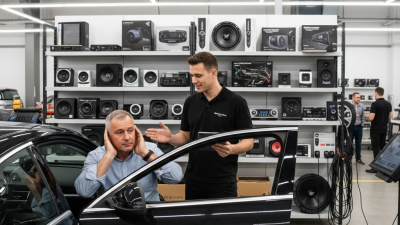
Choosing a car multimedia system requires more than comparing screen size and price. Check the dashboard opening, vehicle voltage, steering controls, and factory camera connections. Regional radio bands and navigation languages also matter for global buyers. A system may fit physically but still lose essential vehicle functions.
Measure twice. Confirm compatibility.
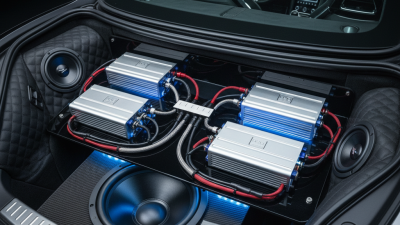
During installation, use the correct wiring harness instead of cutting original cables. Disconnect the battery before handling power connections. Protect every joint with proper insulation, and place the fuse near the power source. CAN bus adapters may be necessary for steering buttons, parking sensors, or climate information. A qualified installer can test these circuits safely and prevent expensive dashboard faults.
I once underestimated the importance of screen brightness. A display that looked sharp indoors became difficult to read under direct sunlight. Check touch response, viewing angle, microphone quality, and boot time before buying. After installation, test Bluetooth calls, audio balance, USB playback, navigation guidance, reverse-camera switching, and steering controls. Keep the original parts and wiring notes for future servicing. Some systems still need software adjustments after installation, and that detail is easy to overlook.